Women’s Work: Let’s Make a Film
With the IFFR 2026 Focus programme The Future Is NOW, we celebrate the 60th anniversary of the National Organisation for Women (NOW)’s founding – a major moment in the history of the Civil Rights movement as well as Second Wave Feminism. The programme’s curators Jennifer Lynde Barker and Olaf Möller put the selected films into context.
The 1960s was a decade in which civil rights movements took place on a global scale as people agitated for a more egalitarian society. Women were a key part of this, and what became known as second wave feminism found its voice in works like Betty Friedan’s The Feminine Mystique (1963), which argued that women deserved an equal chance to pursue education, careers, and fulfillment beyond the domestic sphere. Friedan soon became a founding member of the National Organization for Women and wrote its statement of purpose in 1966. She also coined its timely acronym: NOW. IFFR would like to celebrate the 60th anniversary of NOW and the spirit of second wave feminism by exploring filmmaking by women that honours this important moment in time.
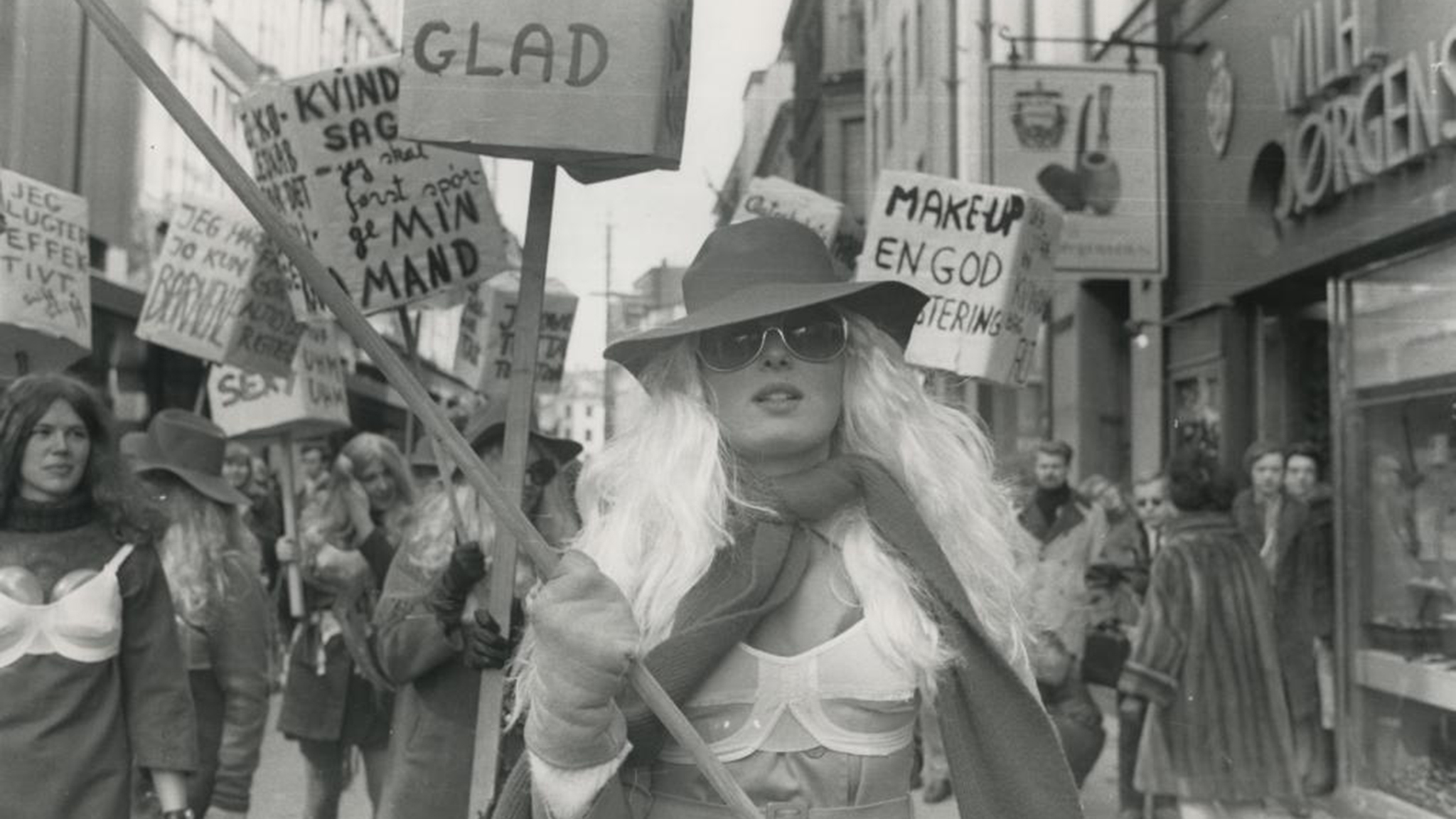
Two key concepts from this movement and NOW’s statement of purpose are a focus on the necessity that women be allowed to work and speak for themselves, and a spirit of friendly collaboration and rejection of discriminatory divides. These ideas also guide The Future Is NOW, which features films from different decades and nations, highlights collaboration and education, and includes an expansive look at the variety of subjects women have embraced in a fascinating array of voices and styles. To these ends, the films in our programme include neo-canonical treats like Muriel Box’s The Passionate Stranger (1957) as well as curveballs like Barbra Streisand’s Yentl (1983); recent rediscoveries-by-restoration like Mary Stephen’s Ombres de soie (1978) or Miñuca Villaverde’s Blanca Putica. A Girl in Love (1973); not to forget works from less illustrious production fringes like Lillian Hunt and James R. Connell’s B-Girl Rhapsody (1952). There are films from a wide range of cultures that include the Federal Republic of Germany (Dump, 2026; Christina Friedrich) and Latvia (Lotus, 2024; Signe Birkova), India (The Stitches Speak, 2009; Nina Sabnani), Australia (We Aim to Please, 1976; Robin Laurie and Margot Nash) and Denmark (Rødstrømper – en kavalkade af kvindefilm (1985; Mette Knudsen), to mention but a few; spreading out from the rise of female filmmaking in the 1970s and 1980s to include those who came before and those who carry on their legacies into the present. And just as NOW strove to bring women into mainstream focus, this programme gathers together work that has often gone unnoticed, placing it centre stage and celebrating its essential presence in film and social history, with a special focus on animation.
A good model for the programme is the attitude behind the workings of the National Film Board of Canada’s Studio D, the women’s film unit founded in 1974 whose sole ‘limit’ was the fact that only female directors could work there, demonstrating that women’s growing ability to work was just as important as subject matter. Our programme includes two notable documentaries from this unit: “…and They Lived Happily Ever After” (1975), a seminal work about women’s experiences with marriage and motherhood from the Challenge for Change series, directed by the legendary founder of Studio D, Kathleen Shannon, alongside Irene Angelico and Anne Henderson; and the vibrant Goddess Remembered (1989), a core film on feminist spirituality by Donna Read.
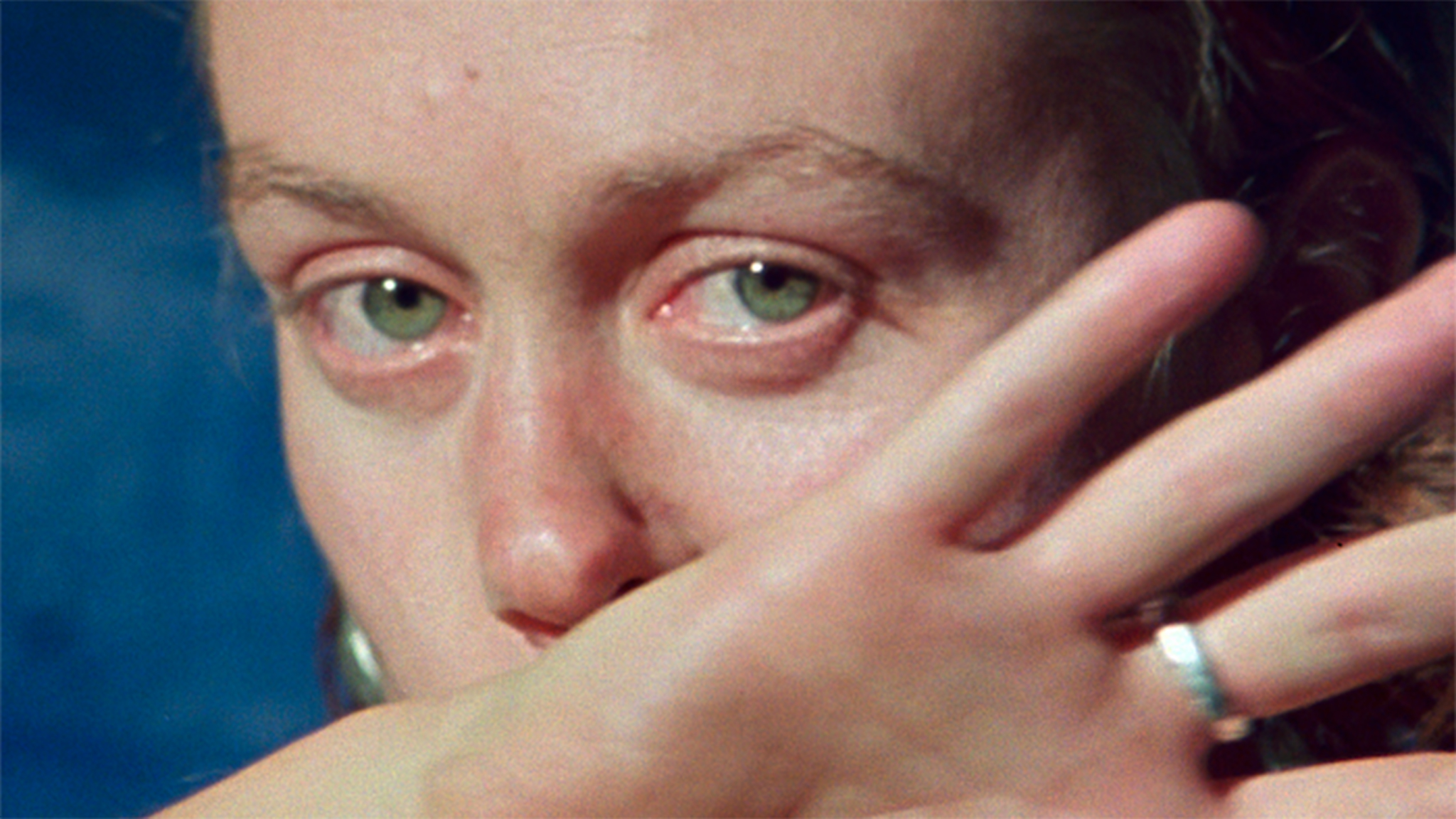
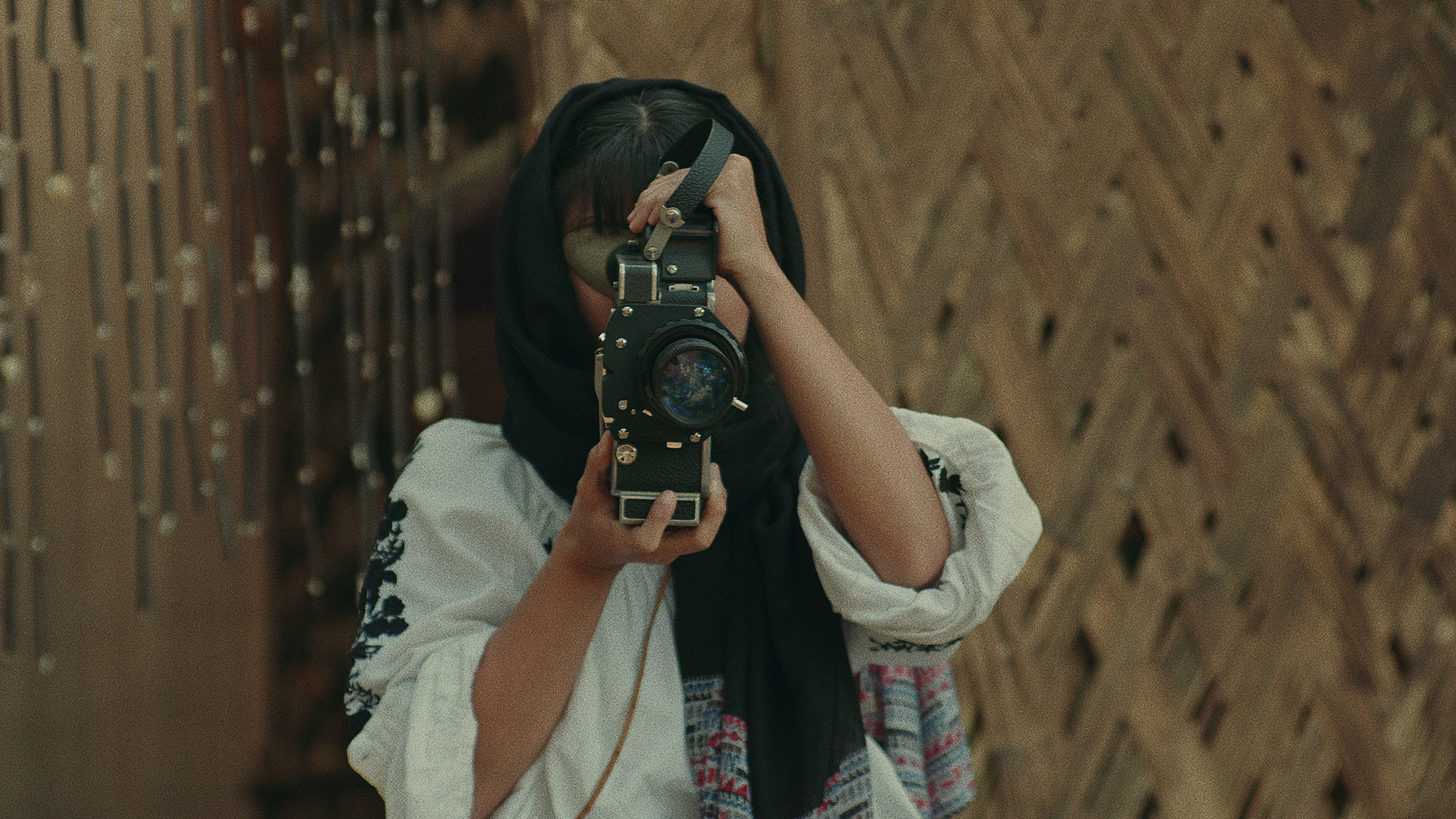
Friedan and NOW asserted that it was crucial for women, as for men, to engage in creative work in order to discover who they were as persons and to understand who they could become. Creative expression allowed women to explore their identities and relationships with each other and the rest of the world, thus helping to shape that world. Filmmaking in particular allowed women to produce creative work that could challenge the status quo and present new images of women. They were able to reassess the past, imagine a different future, and document the process itself. It is therefore no surprise that documentary would be a key medium in which to explore women’s voices and experiences, as witnessed by some of our major premieres, such as: the omnibus project Three Ways of Returning (2026) in which Xiaolu Guo, Andrea Luka Zimmerman and Mania Akbari return to their respective childhoods, memories and traumata; or Sari Raissa Lluch Dalena’s Cinemartyrs, which is as much an essay on what it means to cinematically reconstruct the Philippine’s bloody past as it is an act of remembrance of some of its most prodigious yet essentially forgotten female filmmakers.
Animation is also an interesting realm of creative focus, not only because few have systematically looked into it, but also because animation proved to be a rich source of creative output for women – especially short films that could be made with a small crew, or even alone. The abstract and imaginative space of animation allowed women to experiment with their own voices, crafting visions that were fluid and transformative. Sometimes these visions reimagined the past, in particular revising ideas about women as threatening or inferior, as in Faith Hubley’s Witch Madness (1999), which contrasts the mythic and global reverence for women as goddesses with the brutal reality of witch hunts from the 15th to the 18th century. The film also imagines an alternate vision of women as cherished creators, a concept explored with metaphorical panache and great empathy in films like Joanna Priestley’s luminous Voices (1985), which showcases the power of animation to create a better reality in the future.
Craft work played a central part in the 1970s, with movements like patterns and decoration adapting traditional women’s work and crafts as the basis for feminist art. Katarzyna Latałło’s Etc… (1973), for example, brings macramé to the fore, with yarn as a metaphorical and literal force of nature. Animation pioneer Hermína Týrlová had already been utilising domestic materials in her delightful stop-motion animation for decades before making the charming Skittish Brothers (1981), an homage to the craft of weaving and the spirit with which it is woven. Women’s craft work has continued to be an inspiration, finding expression in Lake Monsters (2018), for example, a bespoke embroidered music video by Mizushima Hiné.

Animation by women in the 1970s is also notable for its focus on teaching others – often children – how to make their own films. Yvonne Andersen in the US (Let’s Make a Film, 1971) and Macskássy Kati in Hungary (I Like Life a Lot, 1977), for example, produced fascinating and important films in collaboration with children. The brilliant educational television series Sesame Street also championed women’s filmmaking, much to the joy and edification of millions of children, who learned to think creatively from shorts like Sally Cruikshank’s From Your Head (1996). This desire to teach isn’t limited to educational films, but can also be found in a multitude of topics, all of them opportunities to learn more about women’s experience.
On the topic of pleasure, for example, Renata Gąsiorowska’s playful look at self-love in Pussy (2016) teaches something about how women can nurture themselves, while Joanna Quinn’s Elles (1992) bursts forth with an enlightening tutorial on female joie-de-vivre. Such animated visions of female experiences not only revise our understanding of women, they help reimagine what great art is and can be. The urgency of this practice has scarcely ceased to be relevant in the six decades since NOW’s statement of purpose put forward the surprisingly radical idea that women are human beings deserving of equal rights. Asserting and celebrating women’s film as a key part of achieving universal human rights, therefore, continues to be an essential part of the future, now.
– by Jennifer Lynde Barker and Olaf Möller
A list with articles
-
-
Hubert Bals Fund in Brazil: A Margem do Rio wins in Rio as supported films head to Mostra
Published on:-
Displacement Film Fund
-
Hubert Bals Fund
-
IFFR Pro
-
Tips
-
-