The Secret Agent director Kleber Mendonça Filho remembers his first IFFR visit: “we came with 10 posters and 200 postcards”
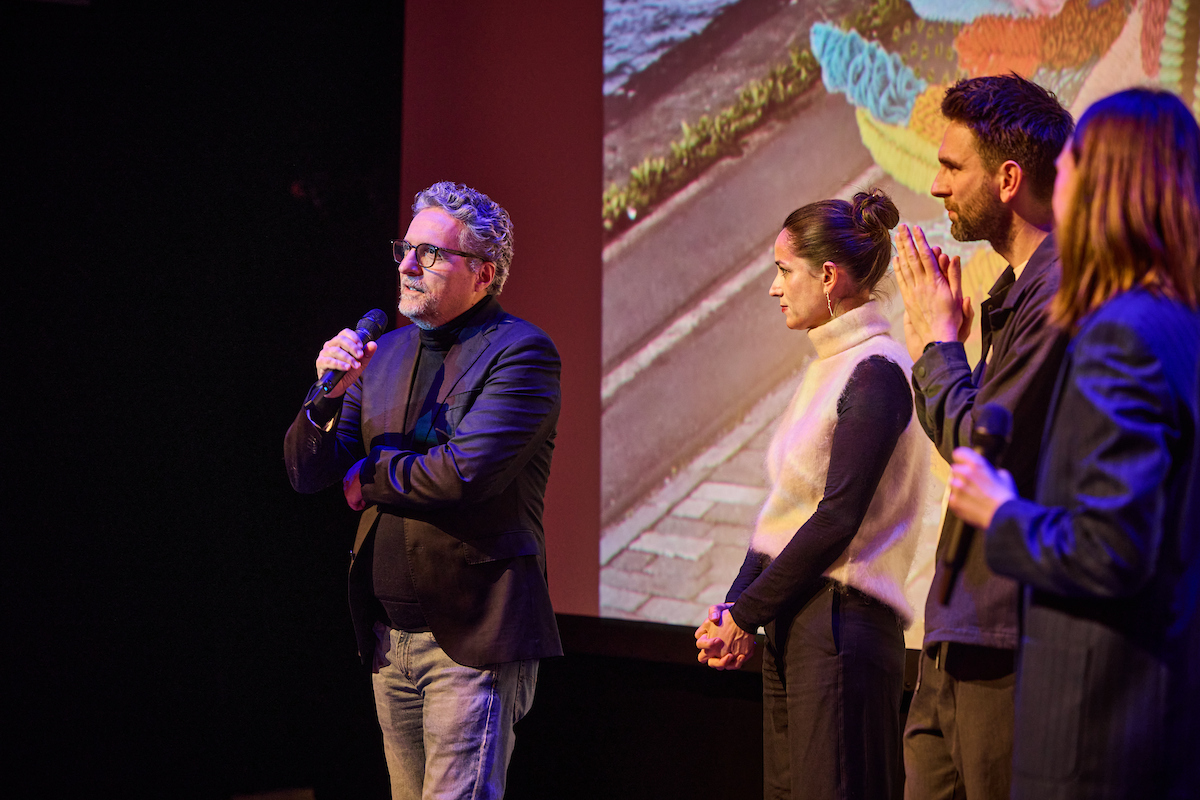
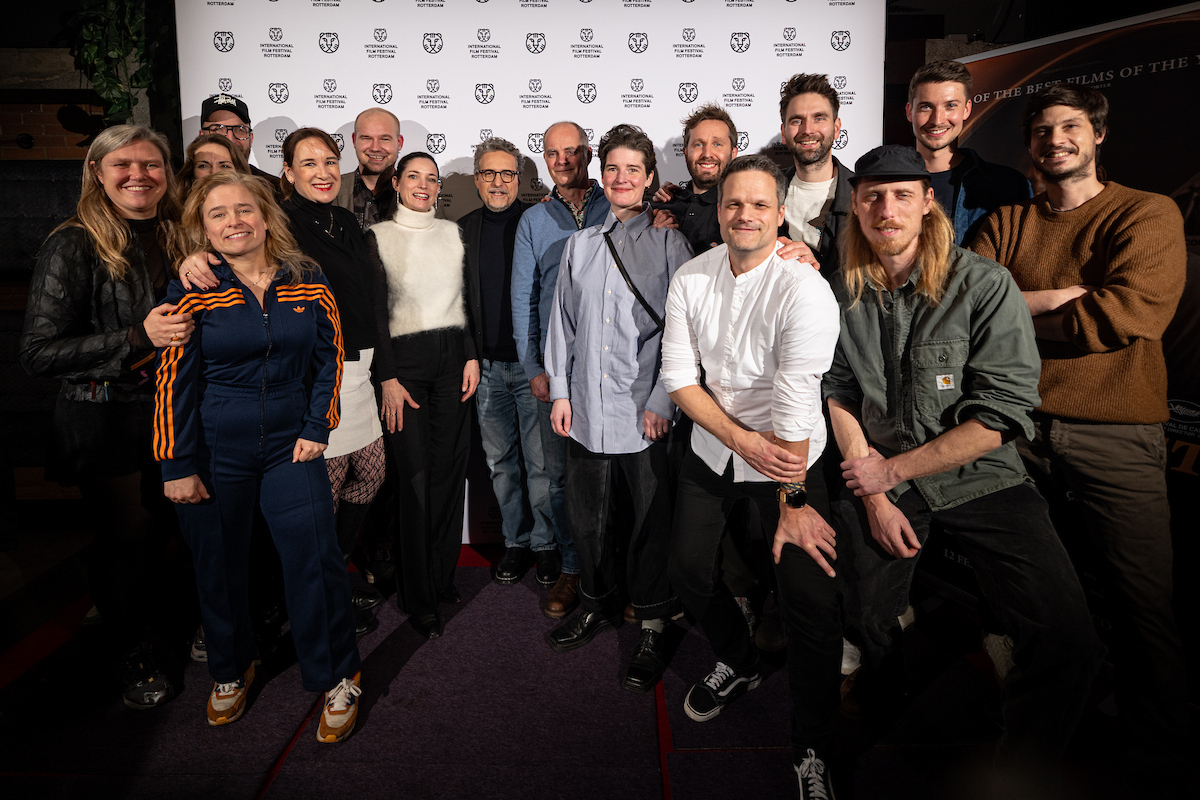
One of our IFFR 2026 highlights was welcoming back Brazilian filmmaker Kleber Mendonça Filho (complete with plinth-mounted zombie leg) to greet an electric sold-out Oude Luxor for the Dutch premiere of the four-time Oscar-nominated The Secret Agent. 14 years earlier, he brought his debut feature Neighbouring Sounds to Rotterdam in the Tiger Competition, after our Hubert Bals Fund offered him development funds to help write the film. He sat down with us to reflect on the impact of that show of support early in his career, on making a film feel “just right” no matter the budget, and shaping his latest in “the logic of history” to evoke the mischief and tragedy of 1970s Brazil.

IFFR: What was your initial inspiration for The Secret Agent? We heard that it grew out of the research you did for your previous film, Picture of Ghosts.
Kleber Mendonça Filho: That research showed me so much material connected to the history of Recife – the movie palaces and the city centre, the political developments, the language and the way people behaved. It all connected to my own childhood in the ’70s, and it gave me the emotional heart I needed to go on and write The Secret Agent.
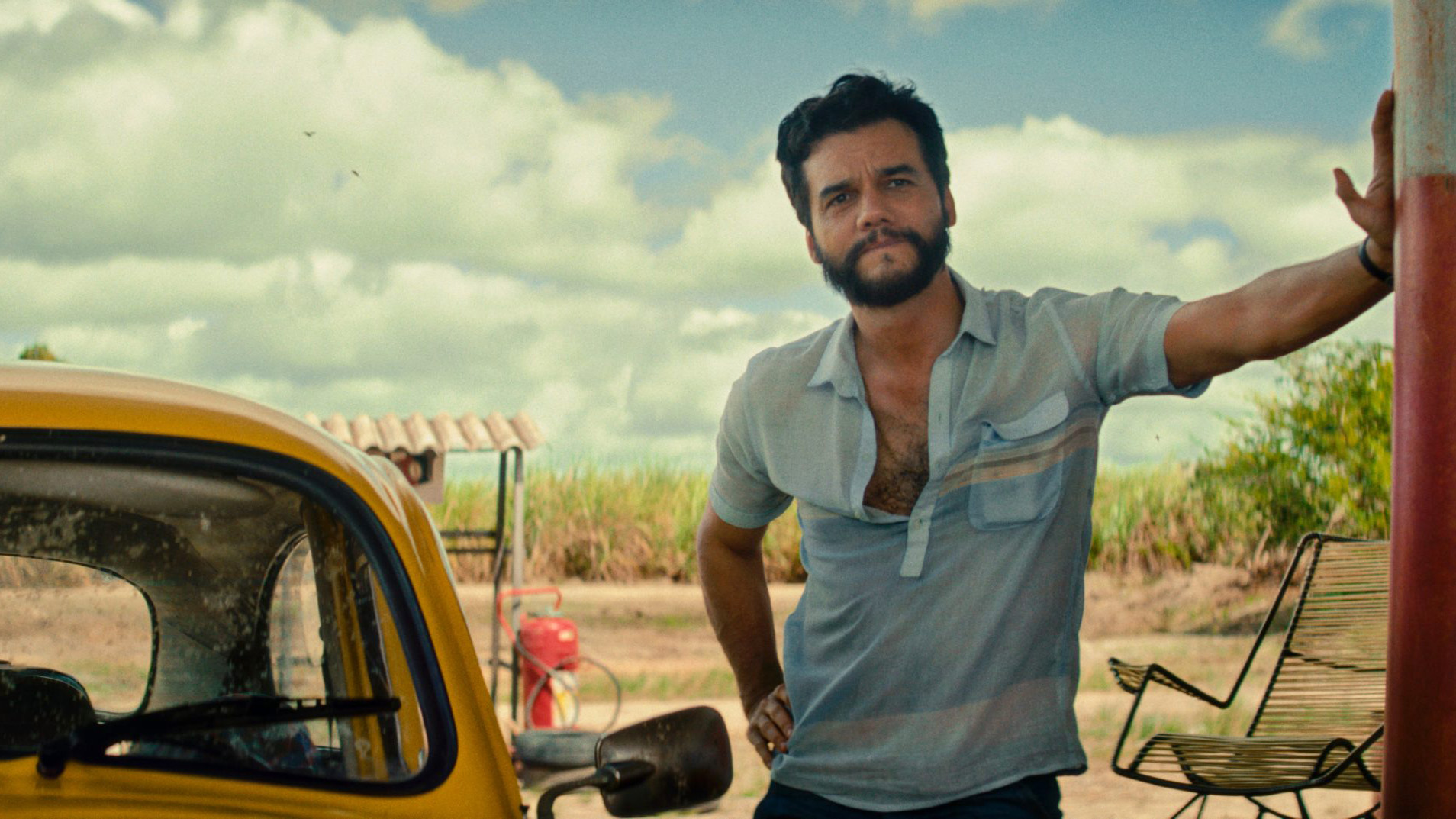
In the second half of 2020 I sat down and began writing the script. It was the pandemic, so it gave me something to do at home. By 2022 or 2023 I had a finished script, which I showed to Wagner Moura. He loved it, and then we were sure that we had something to work on.
IFFR: You’ve spoken about wanting to preserve something of that 1970s cinema spirit even while working with higher production values. How do you negotiate that balance at this point in your career?
Kleber Mendonça Filho: Making a film always involves the challenge of having X and making sure X is enough. If you do it right, you might even make a film that looks far more expensive than it was.
“Some Hollywood people thought it cost $40 million. It cost $5 million. It really is about making it look right and feel spontaneous and natural.”
What’s important is that the film doesn’t feel suffocated or diminished as you watch it – you don’t want the audience thinking, “I wish they’d had more money for this.” The film should feel fluent, organic and natural, both in its storytelling and in what you see.
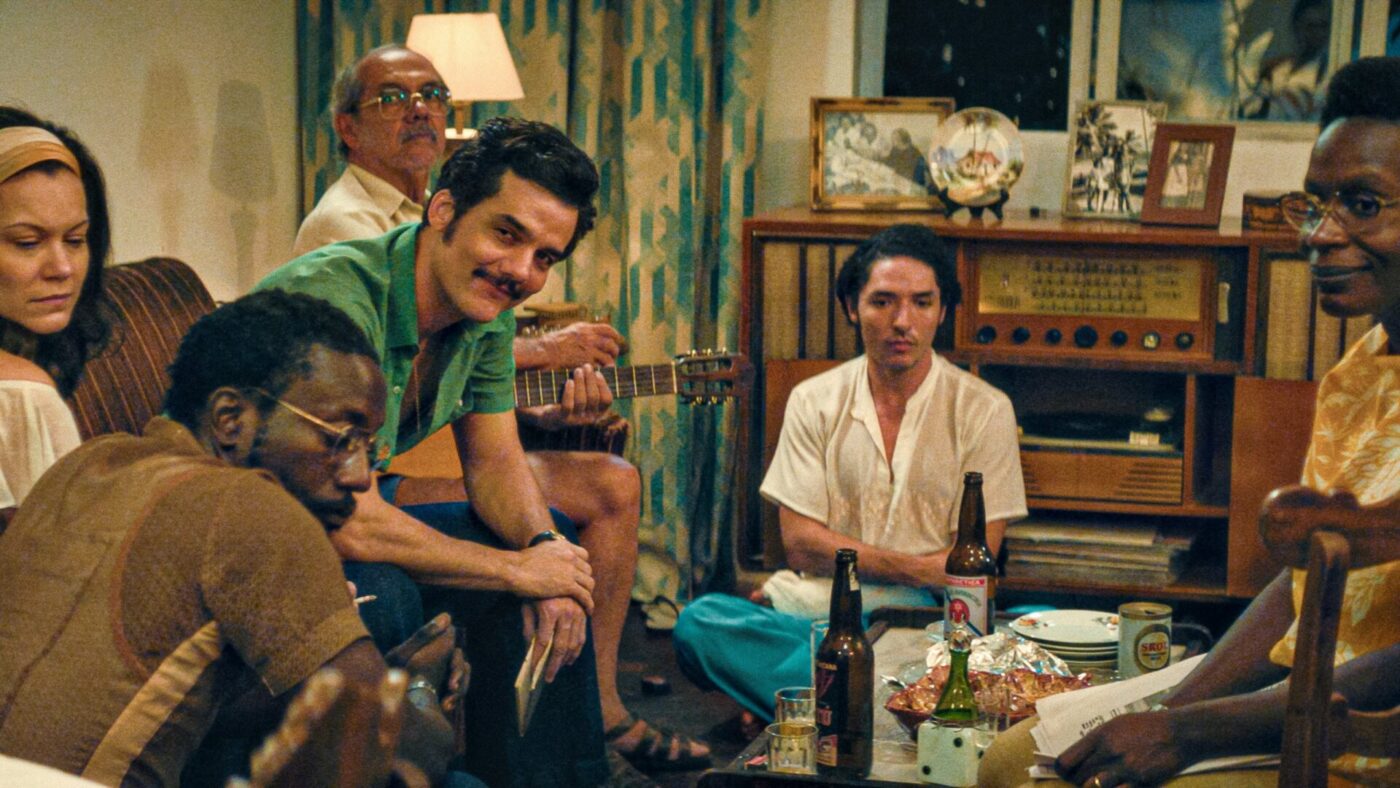
Neighbouring Sounds (2012) was made for around $500,000, and I think it looks and feels just right. With The Secret Agent it’s a different scale – it’s a period piece, we worked with a lot of art direction, we have over 60 actors in the cast and we shot on Panavision lenses brought from the US. Some Hollywood people thought it cost $40 million. It cost $5 million. It really is about making it look right and feel spontaneous and natural.
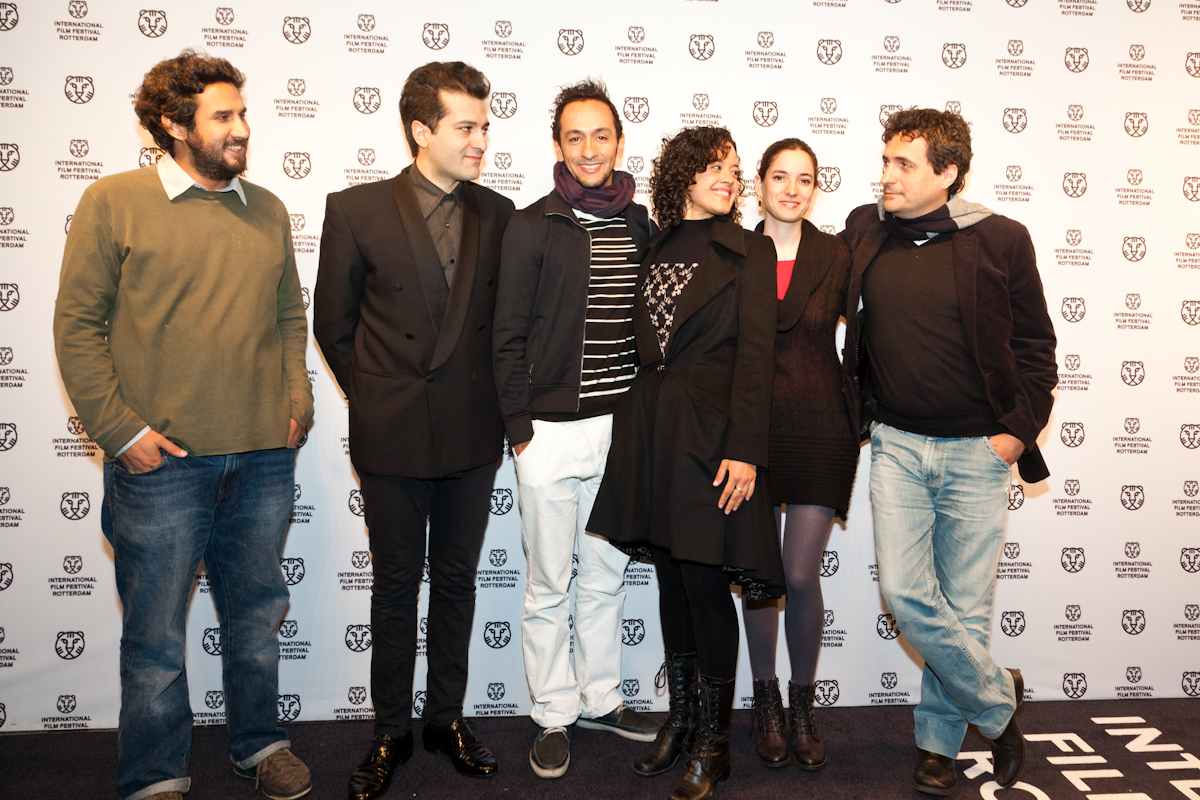
IFFR: Neighbouring Sounds had its world premiere here in Rotterdam in the Tiger Competition and received Hubert Bals Fund support. What do you remember from that experience?
Kleber Mendonça Filho: I remember it was 14 years ago this week. We arrived with a barely finished film – I even brought the hard drives so I could get the DCP done in Amsterdam. It was the first time I’d ever made a DCP. The film was shot on 35mm, but by then prints weren’t being struck, so the first screening was on DCP.
It was a very cold winter that year. We came with 10 posters and 200 postcards. No international sales. The film was one of the last competition titles to screen because I wanted to push it back and make sure everything was technically right.
“I remember it was 14 years ago this week. We arrived with a barely finished film – I even brought the hard drives so I could get the DCP done in Amsterdam.”
I went early in the morning to the press screening – officially the very first time the film was shown publicly. As it ended, I remember many people coming out carrying their suitcases, about to leave Rotterdam. One of them was Gavin Smith from New Directors/New Films at Lincoln Center. He said: “As far as I’m concerned, this film is invited for New Directors/New Films in about a month and a half.” That was a good reaction straight out of the first screening.
Many important people saw the film that day. Hans Hurch (then director of the Vienna International Film Festival) had a great reaction. Nashen Moodley, who was beginning his work at the Sydney Film Festival, invited the film on the spot. And then we received the FIPRESCI Prize.
It was a really important moment – for myself as a filmmaker, for Emilie Lesclaux as producer, for our friends, and for the film. That’s where the film began, you know? Neighbouring Sounds has become a film that many people remember, which is probably the best thing that can happen to a film.
IFFR: How did the Hubert Bals Fund support shape both the film and your career at that stage?
Kleber Mendonça Filho: When I wrote Neighbouring Sounds I was still living my other life as a film critic. I had been making short films, each of which did very well, but I was still a critic.
“It was not only a practical push but also a symbolic one. It gave me a real sense of integrity. At that point in my life, it was very important.”
When I received the Hubert Bals Fund, it really felt like: there is money there, paying you to do this – I really thought it was a great feeling. You can write, as Hollywood people say, “on spec” (speculation – without being commissioned or paid upfront) and hope for the best, but it takes enormous resources of time and energy to spend months writing a script hoping it will become a film. The Fund was saying: we’ve been watching what you’re doing, and this is something we should invest in.
It was not only a practical push but also a symbolic one. It gave me a real sense of integrity. At that point in my life, it was very important.
IFFR: The Hubert Bals Fund has just launched HBF+Brazil: Co-development Support, a new funding initiative specifically to support the development of feature projects by filmmakers in Brazil. What was your reaction when you found out about this?
Kleber Mendonça Filho: Brazil is a country that invests in cultural expression – it’s in our Constitution. We have financing mechanisms at state, federal and municipal levels. My most optimistic side loves the fact that films are now being made across Brazil by all kinds of filmmakers: very young people, filmmakers in their 30s, people from regions where even 15 years ago it would have been impossible to imagine a film being made. Most production used to be concentrated in the southeast, essentially São Paulo.
“Films are now being made across Brazil by all kinds of filmmakers, very young people, from regions where even 15 years ago it would have been impossible to imagine a film being made.”
If this Hubert Bals Fund initiative looks at all regions of Brazil, that will be the best and most intelligent way to make it work. As a programmer, I keep seeing unusual films arriving from different places with very different points of view. When I started making films almost 30 years ago, I remember how many people in the southeast were taken aback by something coming from Recife. I enjoyed breaking those expectations. That’s now happening on a much bigger scale.
There are still many obstacles – including just the basic prejudice of not expecting a 21-year-old filmmaker from Tocantins [state in central Brazil] to be making a wonderful film. But with the technology and support that exists today, it’s a great time to be investing in Brazil. There is a lot of excitement around these prestigious films, like the one I myself did, but there are so many other things happening in Brazil, which might not get the spotlight so much, but it’s all real and it’s happening.
IFFR: As a programmer, and bearing in mind that this scheme targets second and third-time filmmakers, what advice would you offer applicants? What would you be looking for?
Kleber Mendonça Filho: I would love to see projects that only that person could have made. And I would like to see people avoiding all the box-ticking they think is expected of them.
Even short films seem to be almost stuck into the system of what is expected from a young filmmaker. The best projects don’t necessarily tick every box – they should feel very personal. They feel as though only that one person could have done this, rather than something that could have been made by anyone. Only this could have been done by this person.
IFFR: You’ve described The Secret Agent as using the logic of life rather than the logic of cinema. Can you explain that idea in a little more detail?
Kleber Mendonça Filho: Sometimes stories are too streamlined to fit the logic of movies. The classic example: a character walks out of a building, hails a taxi, and immediately you hear screeching tyres. It can happen, but it rarely does. Why not have a five-minute sequence where they’re simply looking for a taxi? That would be the logic of life.
In Neighbouring Sounds there’s a young couple the audience grows attached to. Towards the end, the guy meets his cousin, who asks “How’s Sofia?”. He says, “We broke up.” The cousin says, “You did? I’m so sorry, I didn’t know.” That’s the logic of life. In the logic of movies you’d have the breakup scene – which I didn’t want to do.
“That’s also the logic of history, especially after 50 years. A family might want to forget something because of trauma, or cling to a version of events.”
In The Secret Agent, which deals with memory and amnesia, I really like the fact that you have information, perceived information that might be wrong, and missing pieces. You’re comfortably watching the film, which takes place in 1977, but now you have the overview of what has happened since 1977.
That’s also the logic of history, especially after 50 years. A family might want to forget something because of trauma, or cling to a version of events because of trauma. That gives you a special contact with a sense of history… it’s quite painful, but that’s how history goes.
When I showed the film at San Sebastián the reactions were very strong, because Spain has a complicated relationship with its past – particularly the Franco regime. Many families are still torn or traumatised by it. Each country has a very specific set of reactions to the film. That’s one of the reasons I love travelling with it.
“One reason I’m here in Rotterdam this year is to honour the wonderful work we did together with our Dutch partners.”
IFFR: The Secret Agent is a Dutch co-production. How did that collaboration come about?
Kleber Mendonça Filho: It wasn’t planned. Initially it was a Brazilian–French co-production, which it still is. But then the budget grew, and we found ourselves working with the wonderful Lemming Film. It was a great collaboration.
A year ago I arrived in the Netherlands to record music in a studio in Amsterdam, and also to supervise the VFX and the stop-motion animation used in one particular sequence. We came with our kids and stayed for a week, then moved to Berlin for colour grading and to Paris for the mixing. It was a great month in Europe.
One reason I’m here in Rotterdam this year is to honour the wonderful work we did together with our Dutch partners.
– by Fraser White
A list with articles
-
-
Hubert Bals Fund in Brazil: A Margem do Rio wins in Rio as supported films head to Mostra
Published on:-
Displacement Film Fund
-
Hubert Bals Fund
-
IFFR Pro
-
Tips
-
-