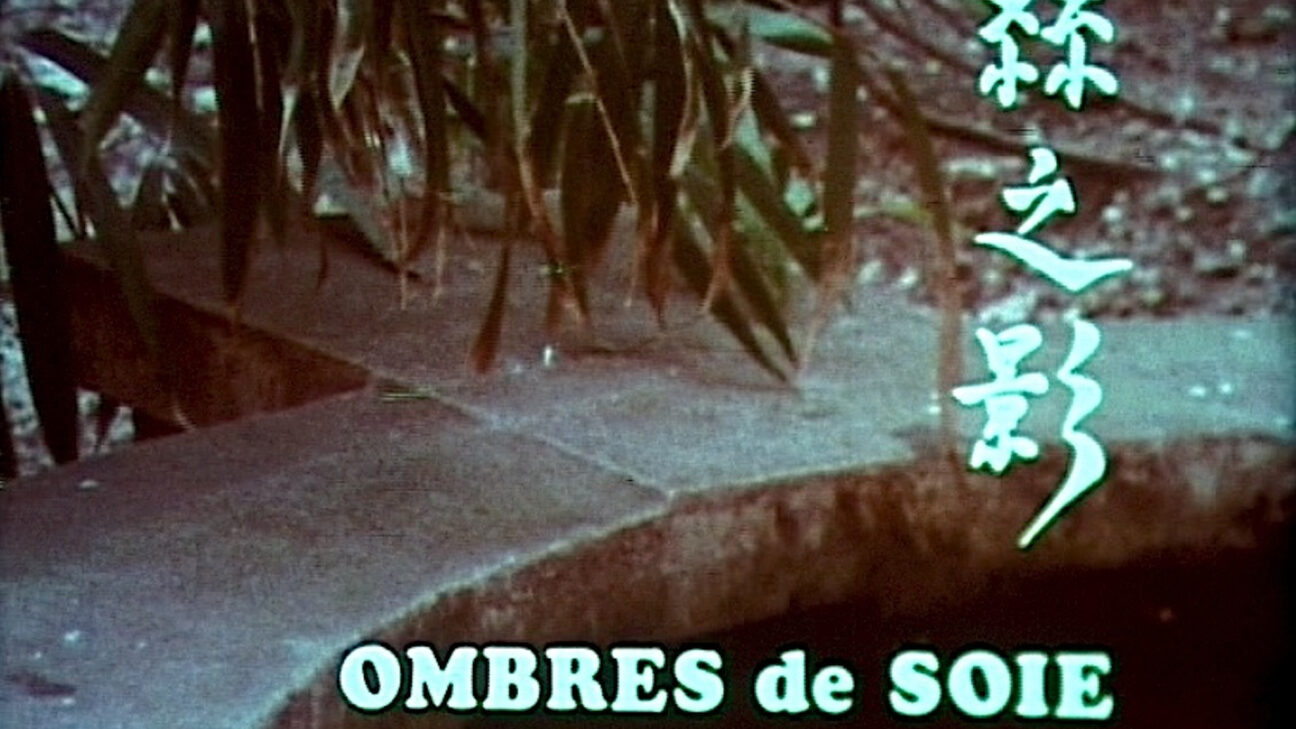
Ombres de soie
Shades of Silk
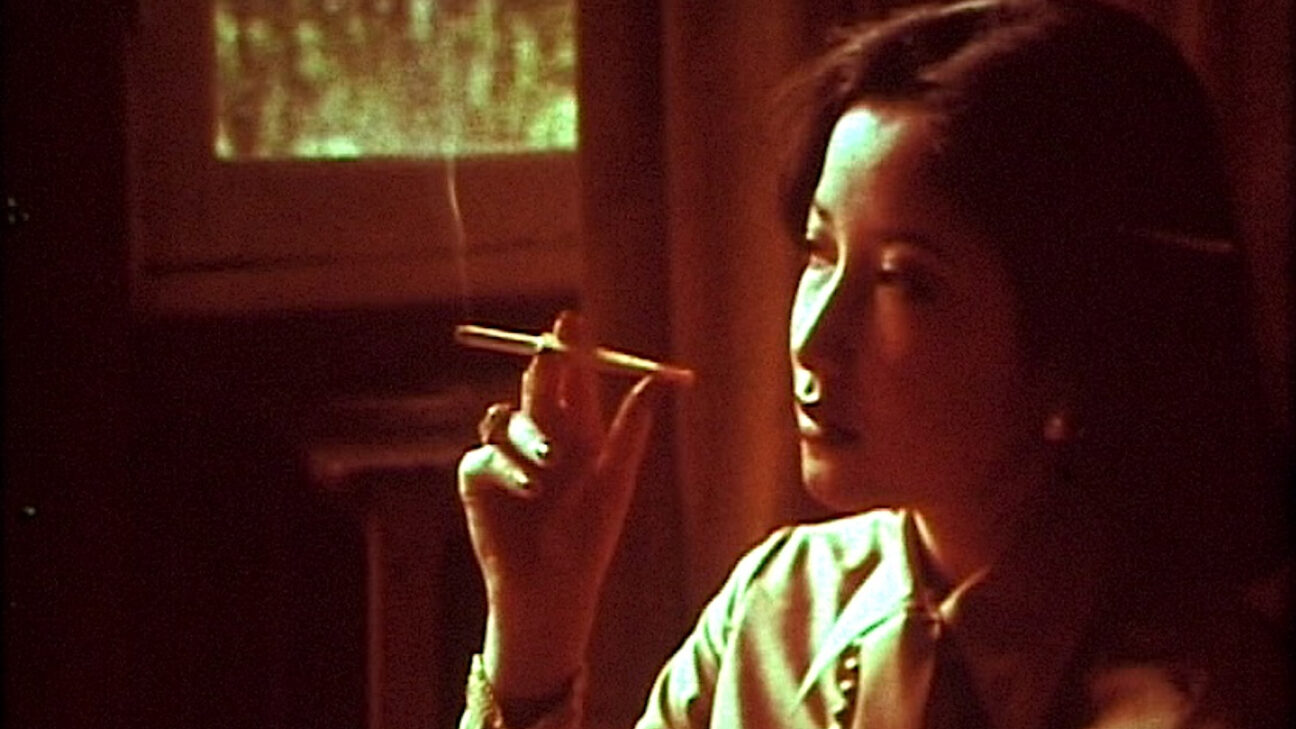
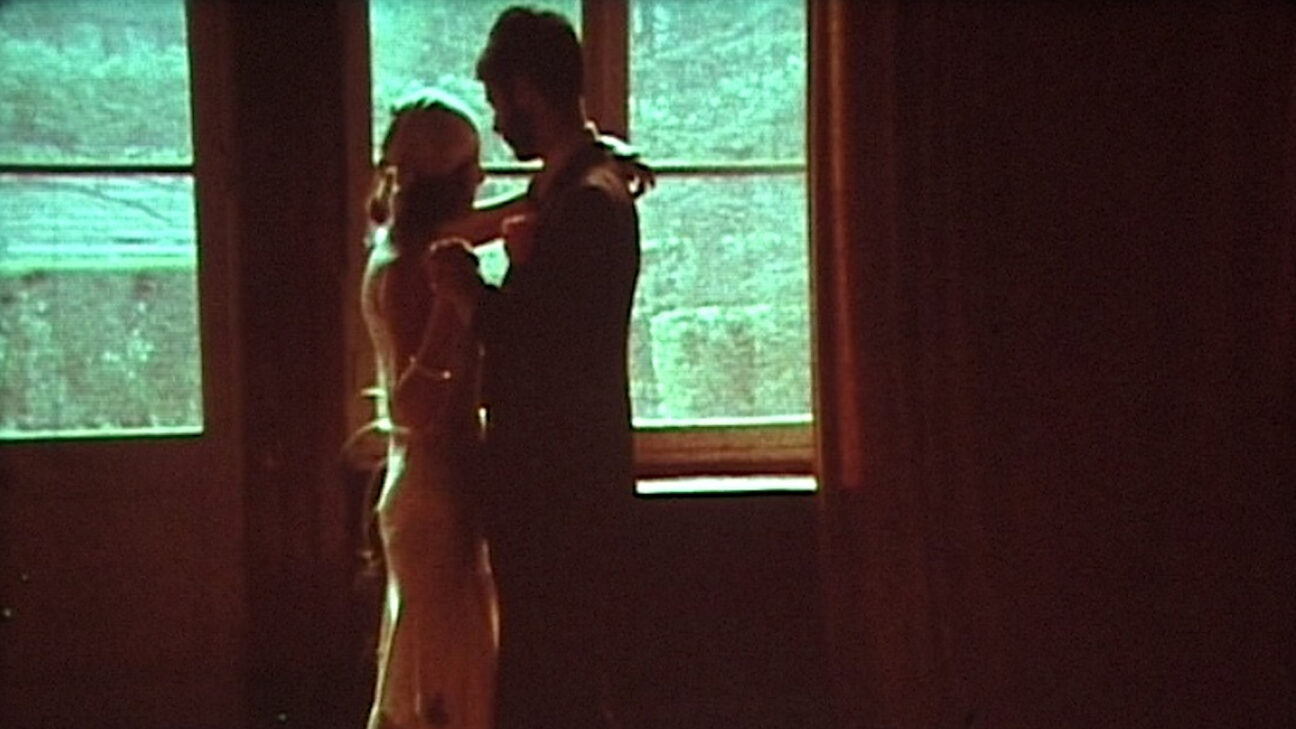
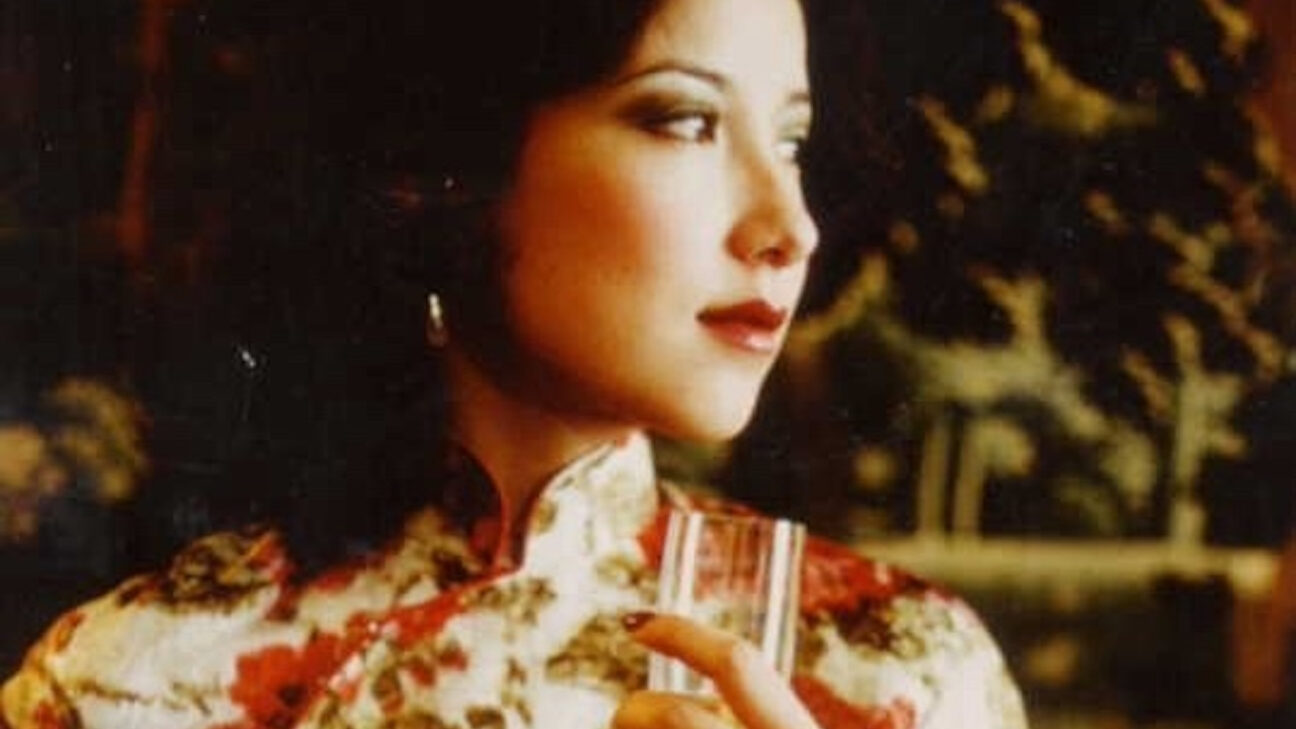
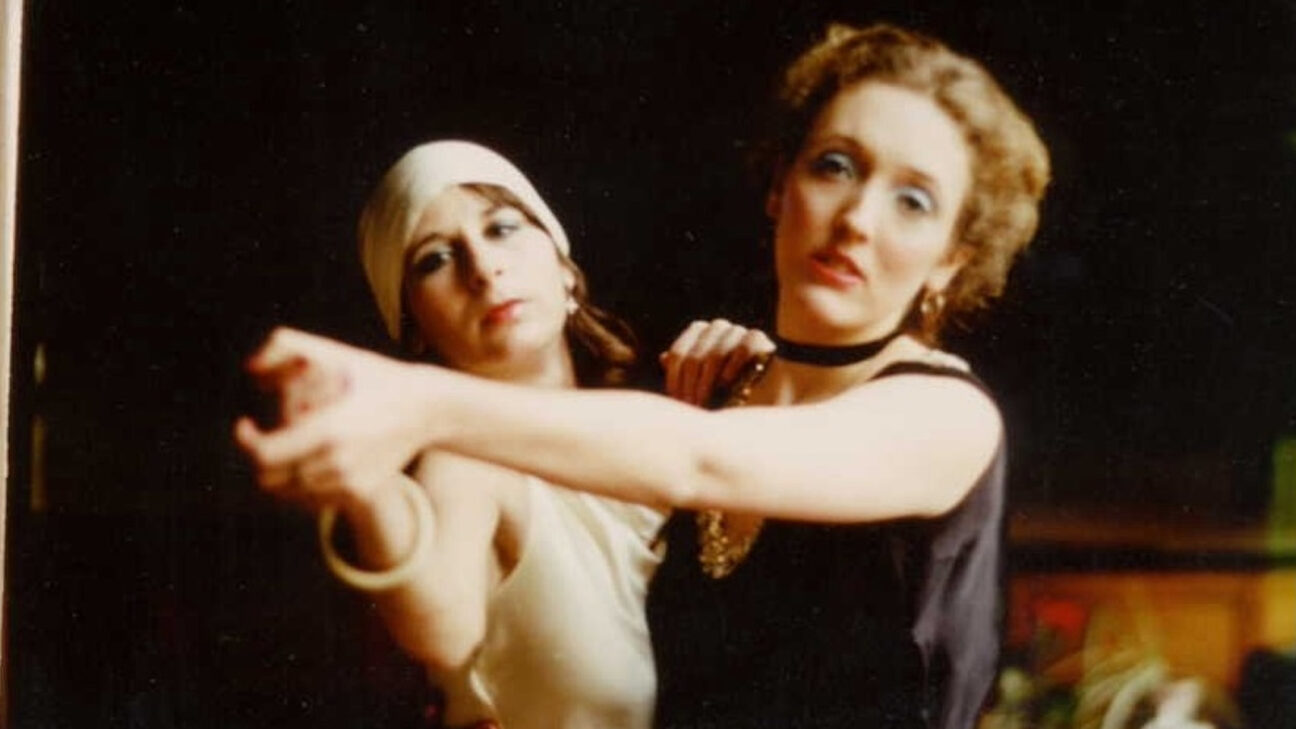
Shanghai, during the 1930s: Lysanne and Marlène have known each other since school. They were always close – but maybe time and experience have changed the nature of this amity. A sensual essay on hybridity in defiance of purist ideas about ethnicity and gender.
Shanghai, sometime in the 1930s: Lysanne and Marlène have known each other since school. They were always close – but maybe time and experience changed the nature of this amity…? Ombres de soie, world famous editor Mary Stephen’s only feature-length essay in fiction, is a most sensual, delicate creation imbued with the spirit of Shanghai’s supreme modernist writer, Eileen Chang, and her often anecdotal, fragmented style. That said, Stephen’s main point of reference here was actually Marguerite Duras, and her 1975 film India Song, making Ombres de soie an homage to a very special, rarefied and refined cinema of sounds and words, as much as a critique of its colonialist reverberations, with Asia as the background for assorted Westerners’ spiritual crises and sense of alienation.
In Ombres de soie, it’s women from mixed heritages meeting in a city where East and West intermingle, creating a culture of hybridity at odds with any dogmatism around ideas of ethnicity, gender, society and what we inherit.
– Olaf Möller
Film details
- Countries of production
- France, Canada
- Year
- 1978
- Festival edition
- IFFR 2026
- Length
- 62'
- Medium/Format
- DCP