The Wellspring of Japan’s V-Cinema
In this year’s Focus programme on V-Cinema, IFFR explores Japan’s direct-to-video phenomenon that emerged in the late 1980s and left a lasting mark in contemporary film culture. Programme curator Tom Mes traces the background of the production model and puts the selected films into context.
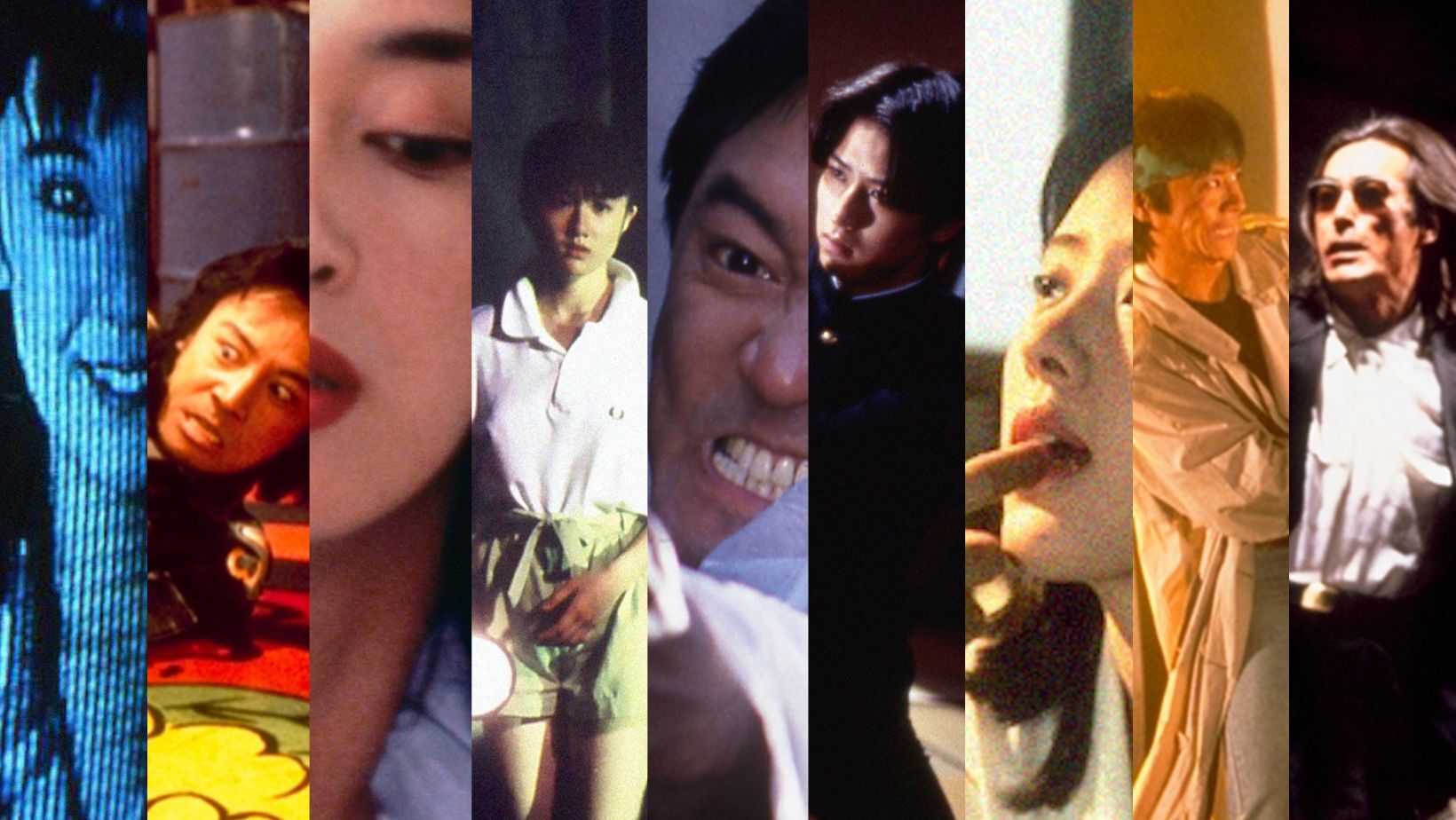
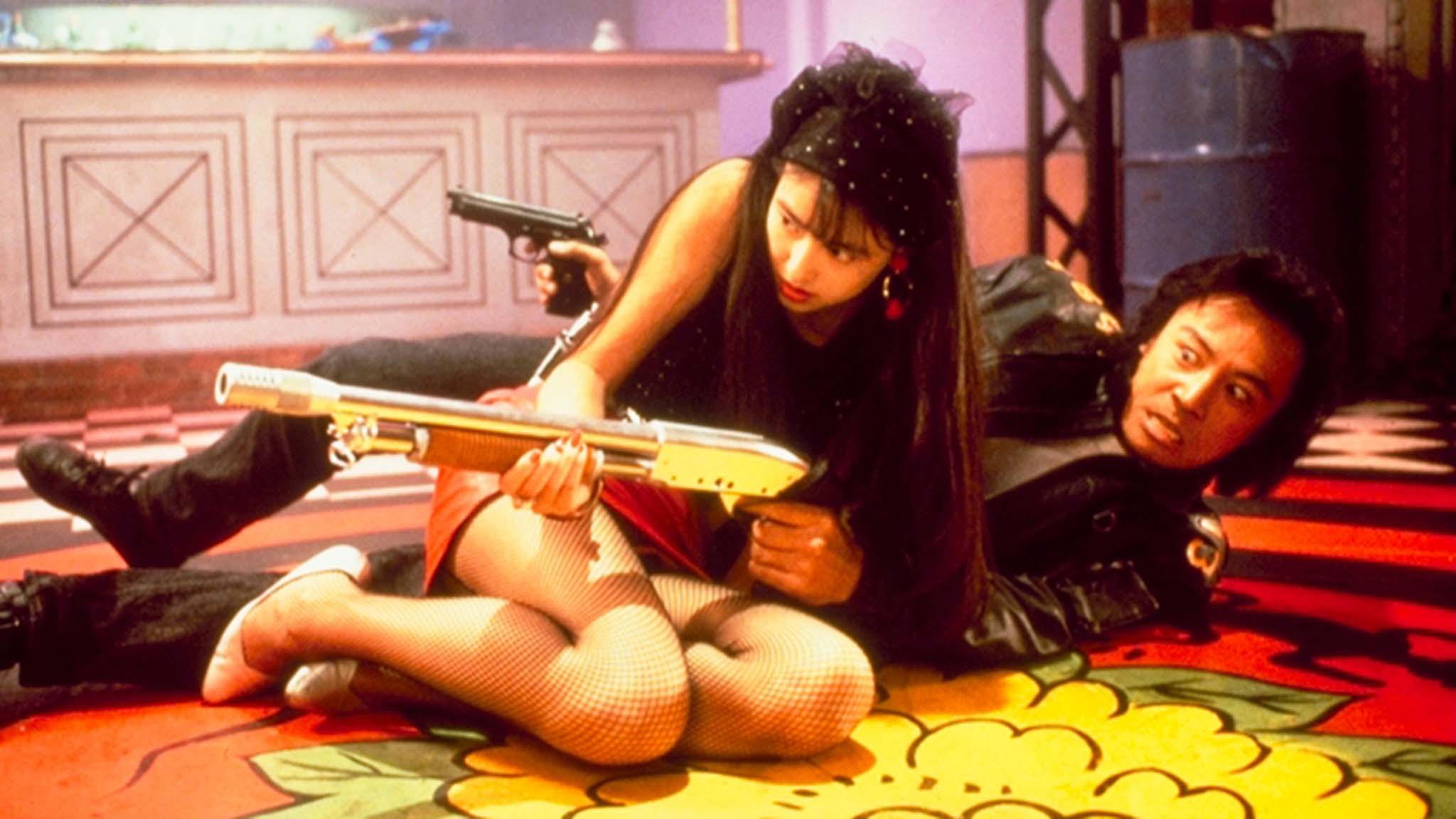
One of the most influential films in the history of Japanese cinema has never won an award, was seen by almost no one outside Japan, and was never mentioned in history books. In fact, until this edition of IFFR, it has never been screened in a film theatre: the 58-minute action film Crime Hunter: Bullets of Rage was released directly onto home video in 1989 and almost instantly created an entire industry of feature film distribution for the video rental market. Commonly known as V-Cinema, this parallel film industry delivered well over one hundred films per year during the next two decades and became a launch platform for filmmakers, actors and film genres into global film discourse. As such, the influence of Crime Hunter reaches all the way to Hollywood boardrooms and film festival red carpets.
Crime Hunter was released by the video division of Toei, one of Japan’s former major film studios. While anime had been made for direct-to-video (DTV) release since 1983, this hadn’t happened with live-action features in any systematic way. Crime Hunter changed this. Its success was instantaneous, with tapes landing on the shelves of every single one of Japan’s estimated (at the time) 16,000 video stores. Countless imitators followed in hot pursuit, some made by fledgling companies that smelled money (and often served as fronts for organised crime) but others by respected former majors such as Nikkatsu, Daiei and Shochiku. However, the impact of Crime Hunter, its two sequels (all three films in the series can be seen in this programme) and of subsequent Toei releases ensured that V-Cinema, despite being a Toei trademark, quickly came to designate the entire phenomenon of Japanese live-action DTV.
Audiences and gender politics
Unlike in the United States, where the established film industry was initially outright hostile to the idea of renting films on videotape, Japanese major studios had set up their own video divisions as early as the late 1960s. Dedicated market research into the possibility of rental video began in the late 1970s and showed that well over 90% of the customer base was male. When video rental was adopted as a systematic business model in the early 1980s, many film and video companies based their strategies on these statistics. Toei would consciously gear its V-Cinema model towards a male audience with the testosterone-fueled action hijinks of Crime Hunter. According to a study by the Japan Video Association, even in 1993 men still made up 70% of all video rental store memberships in Japan.
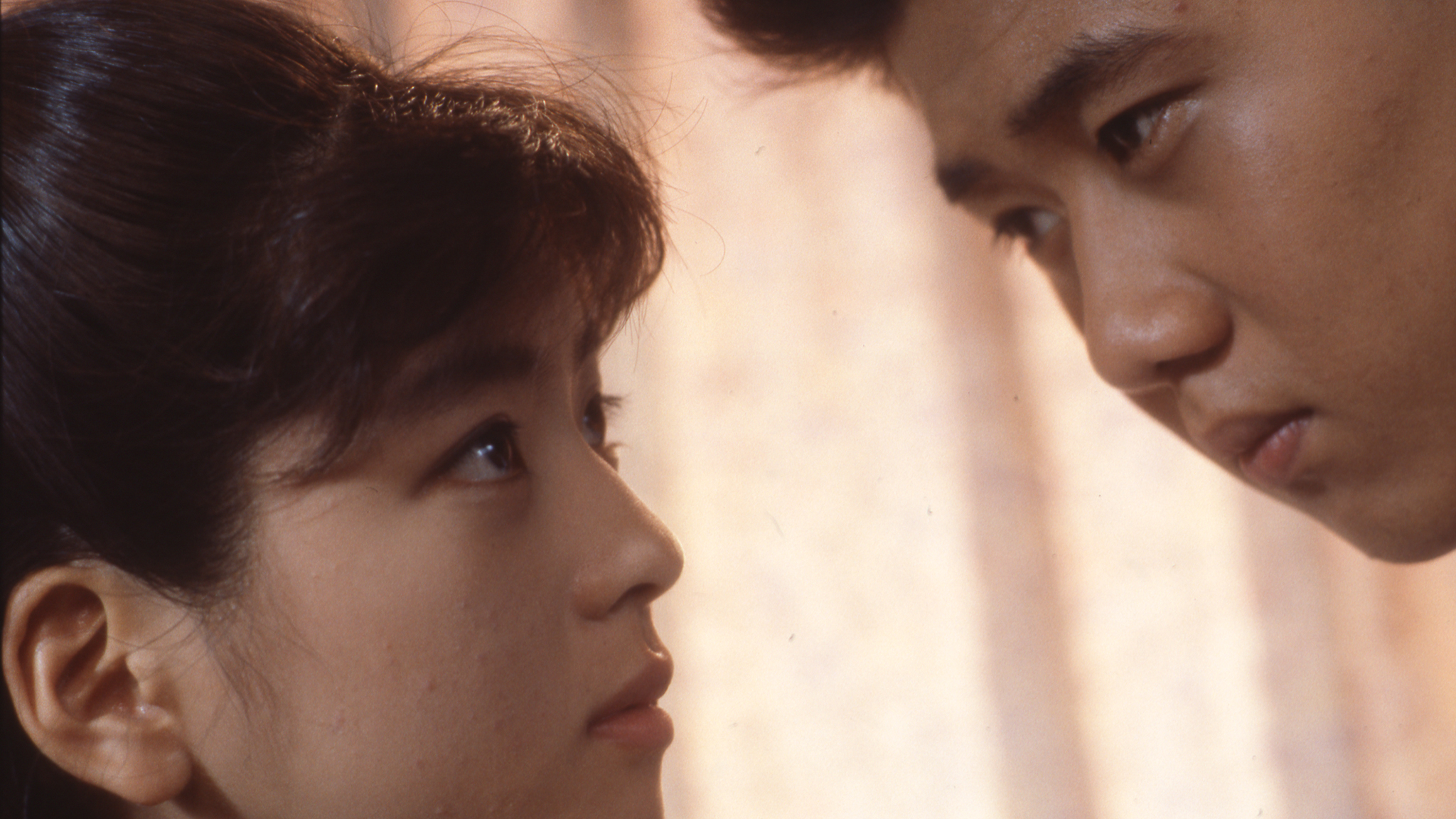
This male focus expressed itself in choice of genres, storylines, casting and staffing (it was extremely rare to find women directing V-Cinema). The video boxes emphasised action, nudity, sex and violence. With Crime Hunter as the basic paradigm, much of the early production in V-Cinema consisted of action films, although attempts were made to reach different audiences. The early 1990s saw a brief period during which major companies such as Toei, Nikkatsu and Daiei made a series of teen dramas and romantic comedies for video distribution aimed at a younger audience (one example in the programme is Nikkatsu’s 1993 Anxious Virgin: One More Time, I Love You). From around 1993, however, V-Cinema increasingly settled into generic templates of guns, girls and gambling, and gradually gained an image as vulgar, cheaply made and artistically underwhelming.
Around this time, the film press stopped covering V-Cinema altogether. This paradoxically helped the directors who would emerge from V-Cinema in the latter half of the 1990s, including Miike Takashi and Kurosawa Kiyoshi: they were able to hone their craft by directing up to five films for the video market every year, developing their skills quickly and almost entirely under the radar of critics, scholars and festival programmers. When they finally did gain notice, they were already highly experienced: Kurosawa’s international breakthrough Cure (which played at IFFR in 1998) was his 17th feature, while Audition (IFFR 2000) was already Miike’s 32nd.
The tabloid press, on the other hand, tightened its bond with the V-Cinema industry. In 1992, Japan’s long-standing ban on the depiction of pubic hair was lifted, leading to a surge in “full nude” photobooks and racy magazine spreads. V-Cinema found in this trend a pool of potential actresses for erotic productions that rode this wave. This created the concept of the “V-Cinema Queen”, a title bestowed by Japan’s tabloid media, akin to the “Page Three” girls of their British counterparts. These media’s predominantly male readerships were the same majority of rental shop customers who could make a ‘Queen’ by overwhelmingly renting the films of a specific actress. This was the case for Otake Hitoe, a former Miss Japan contestant whose 1994 nude photo book became a bestseller and led to her being cast in erotic Toei V-Cinema productions, such as Female Teacher: Forbidden Sex (1995), directed by Nakata Hideo before his rise to fame as the standard bearer of J-horror with Ring in 1998.
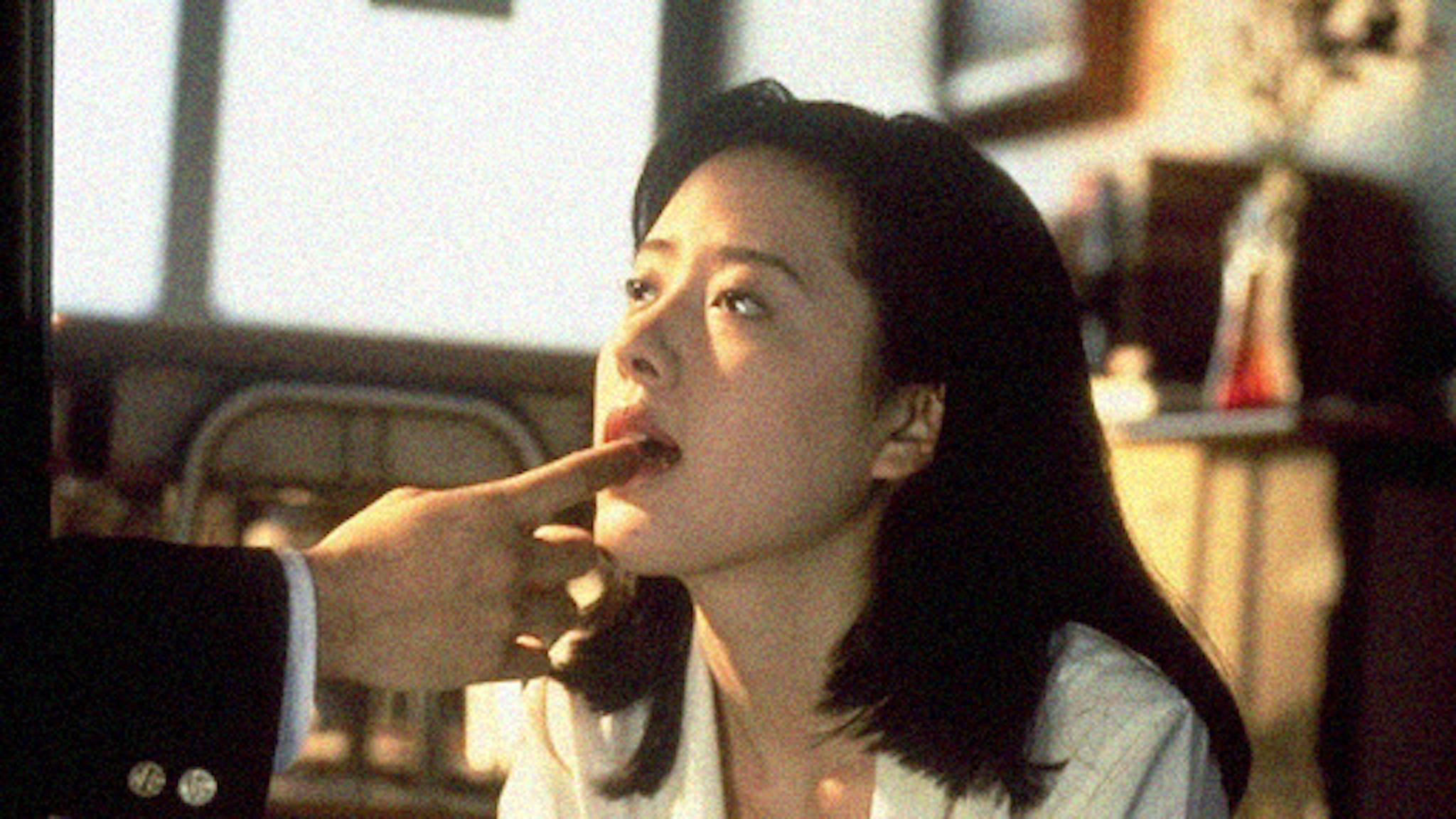
The selling point of a film with a female lead became increasingly conflated with sexual subject matter. A prime and often copied example is Toei’s XX series of fetishistically erotic thrillers. Starting with 1993’s XX: Beautiful Weapon, these made a virtue of having a different female lead in almost every instalment, with the simultaneous publication of a nude photo book of each film’s lead actress. This effect was further intensified by the stigmatisation of actresses who appeared in such films, who encountered difficulties finding work outside V-Cinema, a problem that rarely affected their male colleagues.
The great exception of J-horror
V-Cinema launched more than just directors to wider acclaim and success; it also laid the foundations for J-horror, the stylistically consistent subgenre of the horror film that focuses on the creation of atmospheric tension and ghostly appearances. The genre’s characteristics would reach a wide mainstream audience with Nakata Hideo’s Ring and its 2002 Hollywood remake, but its starting point was the 1991 V-Cinema title Scary True Stories, an omnibus of short stories about ghosts and the supernatural released across three tapes, directed by Tsuruta Norio and scripted by Konaka Chiaki. All the themes, iconography and stylistic trademarks of J-horror can already be found here.
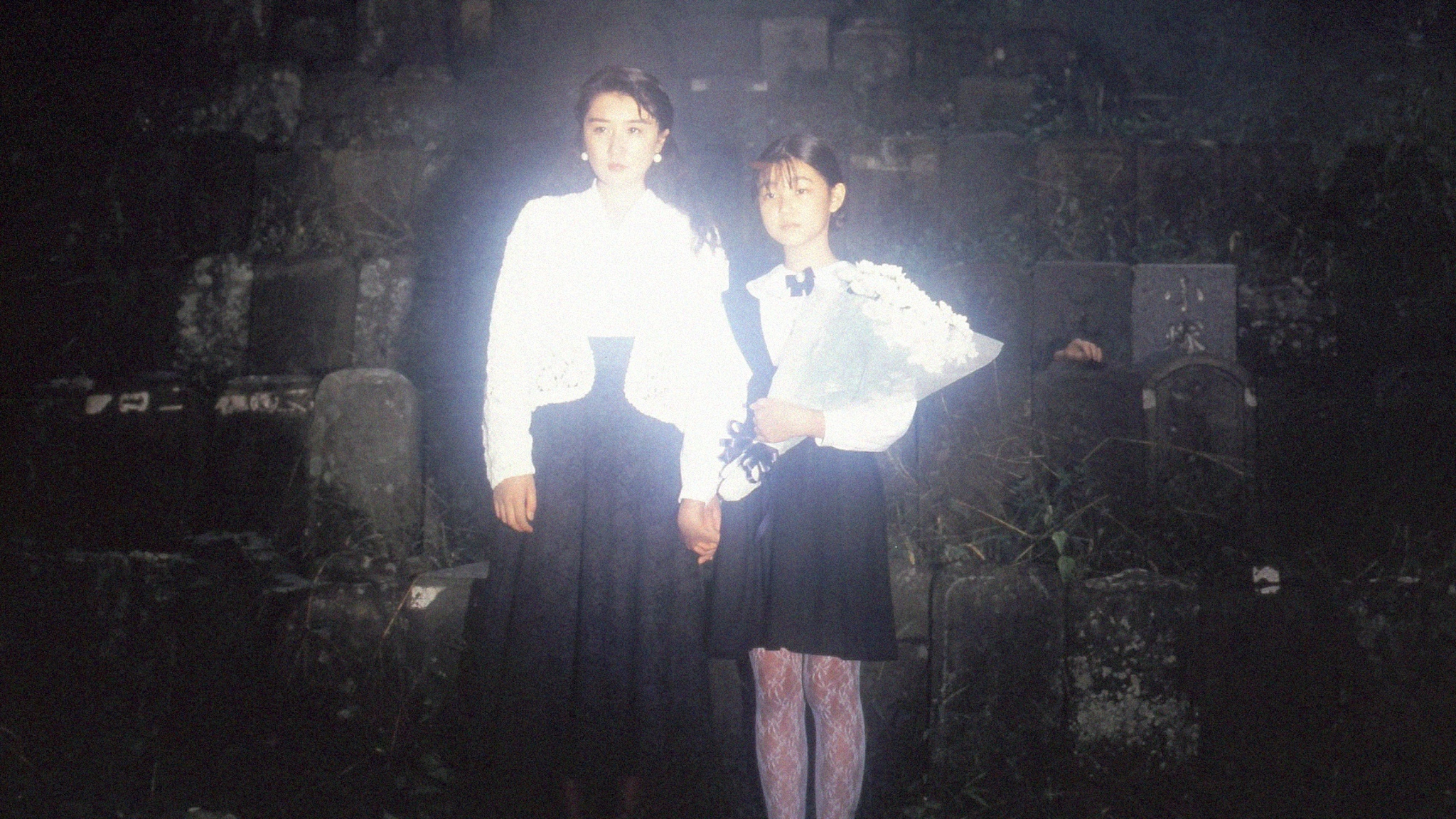
That the protagonists of these stories were mostly young girls indicates an appeal to a different audience than the strictly male focus of V-Cinema productions. The genre’s restrained approach to horror made it popular among pre-teen and teenage girls, a lesson Tsuruta had learned while working in video distribution before becoming a director: he noticed from his market research that documentaries about haunted locations ranked high among many stores’ most popular tapes and that the renters were young and female. Scary True Stories would greatly influence a small group of filmmakers including Kurosawa Kiyoshi, Nakata Hideo and Ring writer Takahashi Hiroshi, who would, over the decade and across V-Cinema, TV series and theatrical features, develop the style into the global phenomenon we know today as J-horror.
Time capsule
The 18 films IFFR presents in the V-Cinema Focus programme form a fascinating time capsule of Japan during the late 1980s and the 1990s, a period when the country went through the sudden shock of being an economic superpower to rival the USA to being plunged into a seemingly never-ending recession. These films show the society, the cityscapes, the sounds, the fashions and the faces of that period, notably in a film like The King of Minami (1992), about a loan shark helping small business owners survive the recession. Ishii Takashi’s Orchids Under the Moon (1991) is a typical neon-drenched urban crime yarn but also shows its protagonist perplexed by the sudden loss of social and economic prospects. Drug Connection’s (1993) constant sense of nervous energy comes as much from the desperation of the characters (and they’re all desperate) as from the film’s many action scenes. Miike Takashi’s Fudoh: The New Generation (1996) was made six years after the economic bubble burst and while this deliriously over-the-top spectacle is anything but a social problem film, it does seem to suggest that the only way forward is for the old guard to make way for fresh blood, by force if necessary.
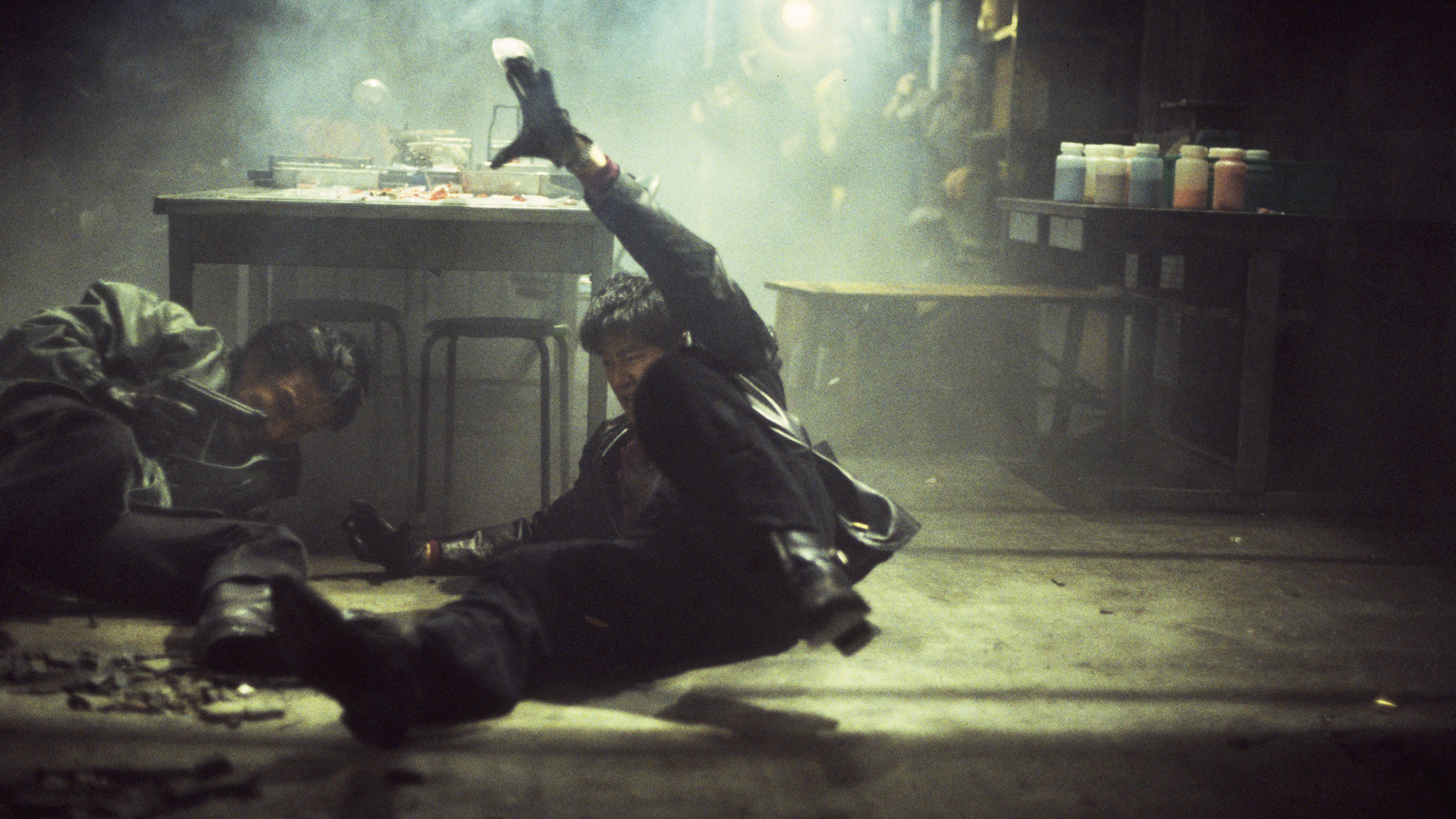
Regardless of their social outlooks, what many of these films share is a remarkable talent for seizing the relative creative freedom that comes from working on low-budget genre films, which certainly in V-Cinema came with a built-in audience and low-to-zero financial risk for the producers. Miike’s Fudoh, Ishii Teruyoshi’s Psychic Vision: Jaganrei (1988), Kurosawa’s Suit Yourself or Shoot Yourself!! VI: The Hero (1996) or Aoyama Shinji’s A Weapon in my Heart (1996) are very different types of films, but they all exude the pure joy and vitality of trying out new visual ideas, new kinds of shots, and new ways of telling what are often archetypal stories.
– by Tom Mes