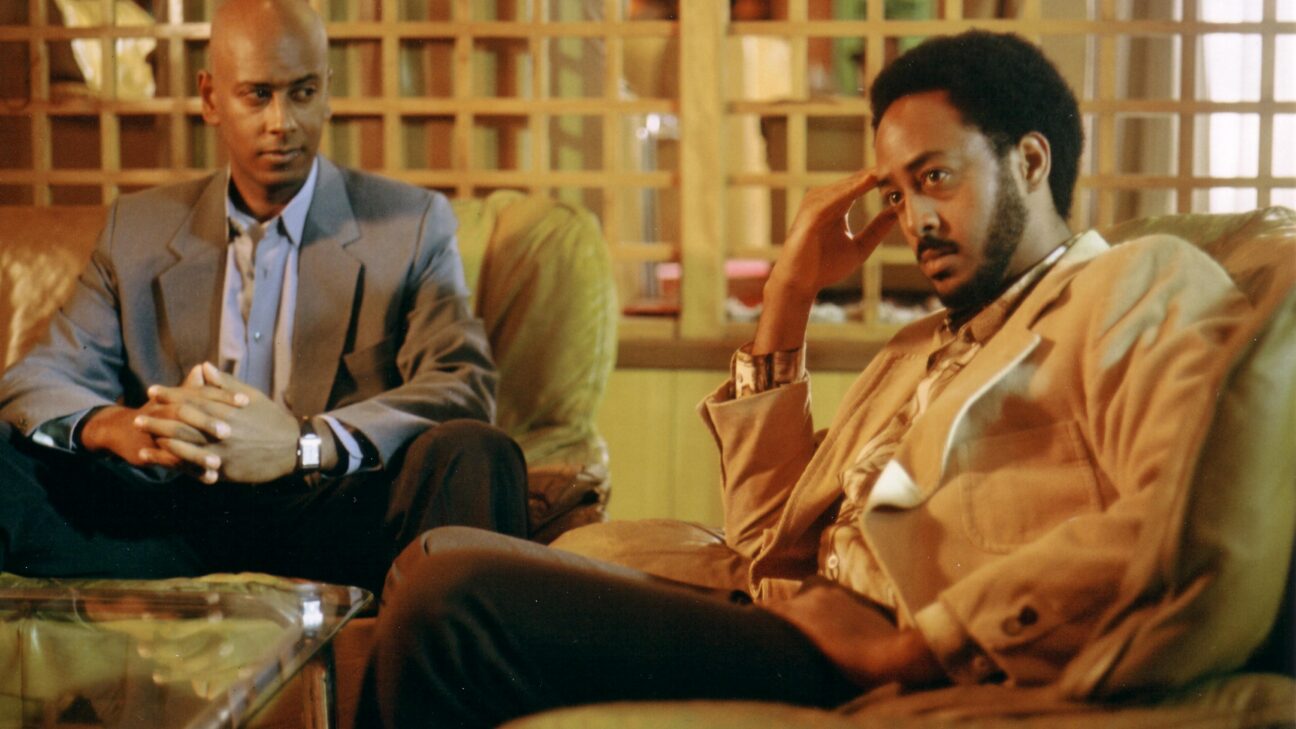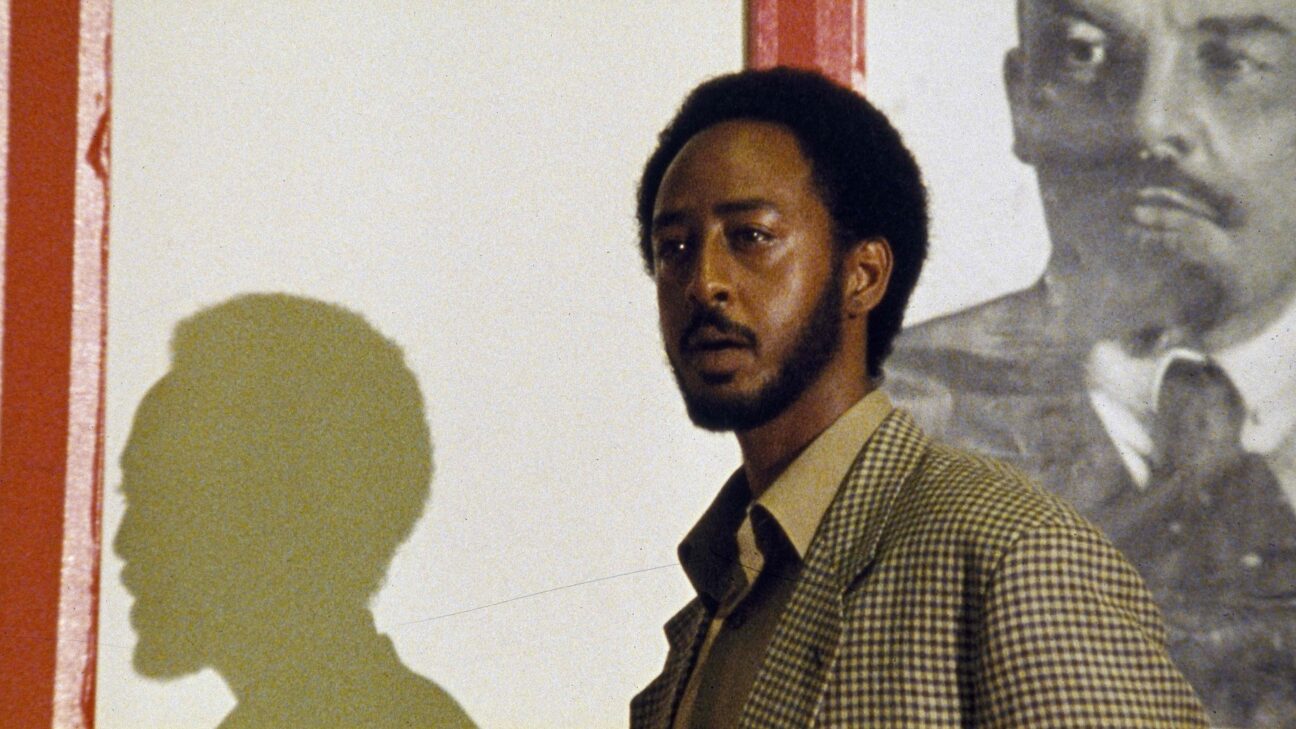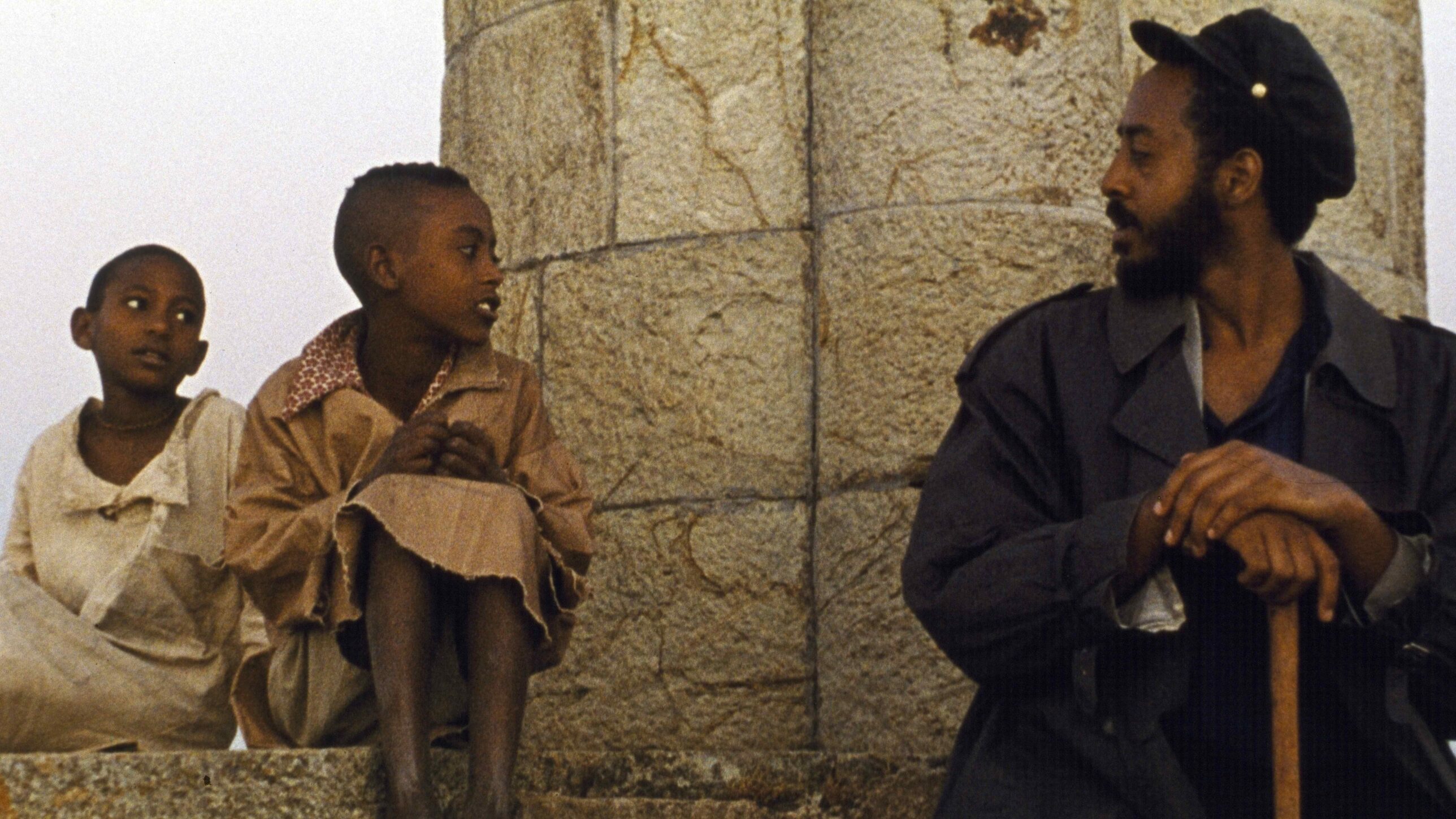
It starts with the return of the prodigal son, when a certain Anberber returns to his old mother in a village on the Ethiopian Plateau in the latter days of the Marxist reign of terror of dictator Mengistu. He has lost a leg and his memory, and shows little respect for local religious traditions. When people use consecrated water to drive out his demons, his memory returns. Then Anberber describes in flashbacks, supported by his narrative voice, his period as a medical student in Germany. He talks about the utopian revolutionary expectations that seemed to come true after the overthrow of the regime of Emperor Haile Selassie in 1977 in his homeland. However when he goes to Ethiopia to help his old school friend in hospital, Marxism in practice turns out to be a cruel and oppressive ideology. Anberber cannot be anything more than a plaything for the military junta, but on his return to Germany he finds that he is above all black, and only after that a person. The question remains: what can he mean to his country and his compatriots? Teza is an epic about the turbulent history of Ethiopia seen from the perspective of a moderate intellectual who tries to maintain his integrity in barbaric circumstances. The tone is not too bombastic and, despite so much misery, a dripping tap is the greatest torment. The Ethiopian landscape forms a beautiful backdrop.
Film details
- Countries of production
- Ethiopia, France, Germany
- Year
- 2008
- Festival edition
- IFFR 2007
- Length
- 140'
- Medium/Format
- 35mm