Step into the Lightroom
Thirty years ago, IFFR’s Exploding Cinema sparked a dialogue between digital technology and the language of cinema. In 2026, IFFR launches Lightroom: a new industry platform for bold audiovisual experiments. Hear from the programme curators what they have in store.
With its own home in Rotterdam’s Katoenhuis, and closely aligned with IFFR’s Art Directions programme (see below), Lightroom underpins IFFR’s long-running commitment to unveiling innovative audiovisual artworks by offering “a clearer pathway for development, visibility and exchange”, underline Section Organisers Eva Langerak, who oversees the Art Directions programme, and Ellen Kuo, formerly VR Gallery Curator at the National Taiwan Museum of Fine Arts, and IFFR Pro Special Consultant.
“Lightroom aims to build a bridge between the Art Directions programme and IFFR Pro”, confirms Langerak. “IFFR has already, for 30 years, really championed open-format, expanded cinema works, that really exist on the intersection between the visual arts and cinema. And, of course, on the Pro side of things, CineMart has really proven itself to be an important place for filmmakers and producers to meet and to work on great cinema”.
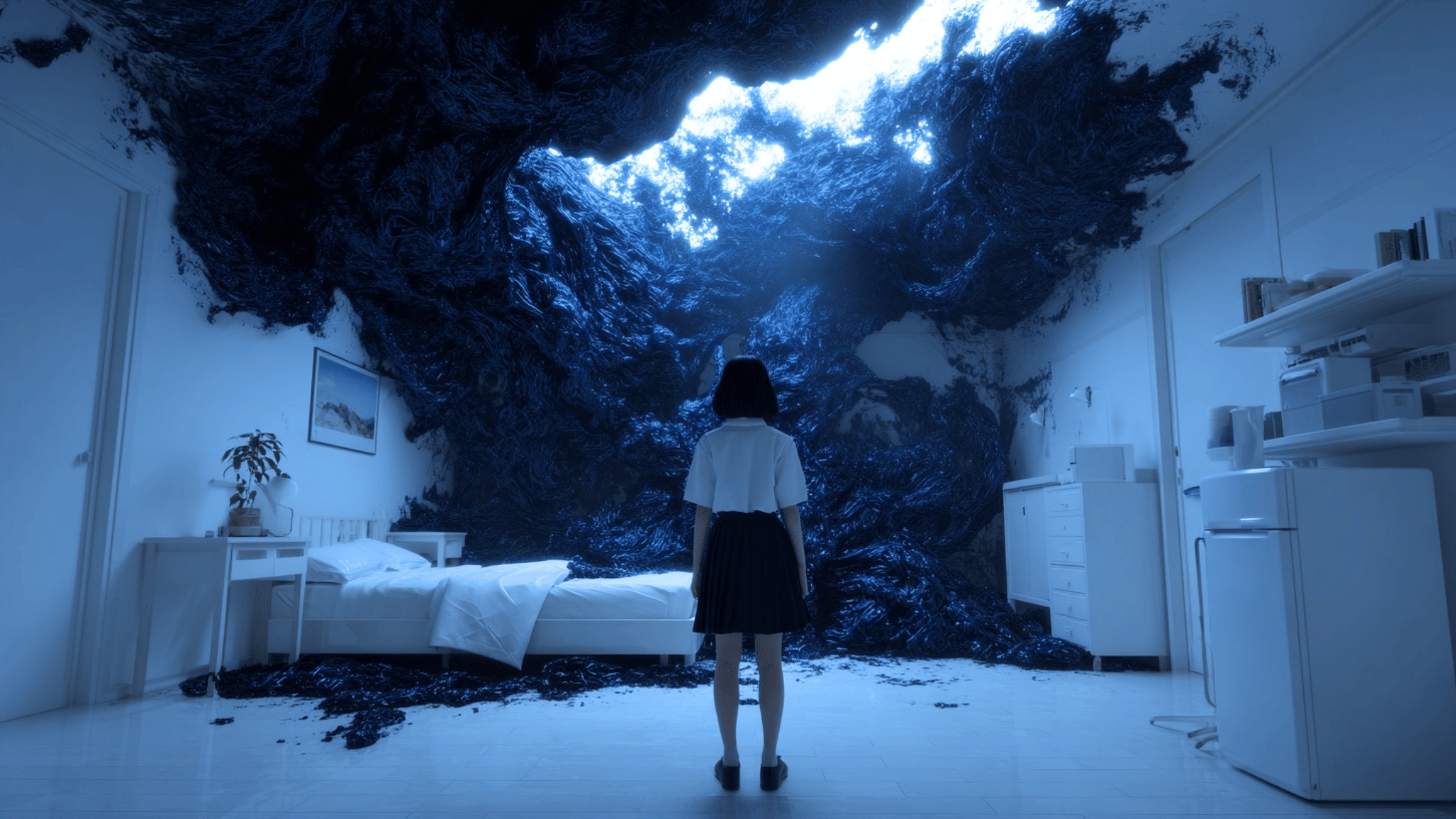
The proof is in the programme: this year’s Art Directions at IFFR 2026 features three works that began their journey at CineMart and Darkroom – The World Came Flooding In by Isobel Knowles & Van Sowerwine (CineMart 2024, world premiere Melbourne 2025), The Great Escape by Joren Vandenbroucke (CineMart 2024, world premiere Venice Immersive 2025), and The Great Orator by Daniel Ernst (Darkroom 2025, world premiere Venice Immersive 2025).
Langerak adds: “But the necessity of this new platform arises from the fact that, for these new open-format works or for works that deal with new media, there is not really a blueprint for an infrastructure that makes sure these works are finding the right funding or the right partner or the right forms of distribution. As a festival that has always wanted to go where other festivals or institutions might not dare to go, we want to be innovative and pave the way for these new projects to find the fertile ground on which they can flourish”.
“It’s not about finding the right answers immediately, I think that this platform will need time to find out what is needed. It’s not a case of copying what we have done at CineMart or replicating what is happening in the visual arts world, it’s really about getting all the right minds together from all these different sectors and these different disciplines, and finding these new methods collectively”.
“As a festival that has always wanted to go where other festivals or institutions might not dare to go, we want to be innovative and pave the way for these new projects to find the fertile ground on which they can flourish.”
As part of this enquiry, Lightroom hosts the Lightroom x Reality Check symposium on 31 January bringing together artists, XR producers, technologists, researchers, funders, curators, policymakers and distributors to explore the topic: “Building future pathways for immersive storytelling: development, production and circulation”.
Ellen Kuo further reasons that this independently branded space is needed for an immersive sector that is constantly “refractionised”. Structure and form changes on a day-by-day, project-by-project basis, she stresses. “The [projects] are not necessarily fitting the one-to-one schedule that we have had since the beginning of CineMart”.
Therefore the objective is to meet the market needs of immersive projects “that are giving us different challenges, not just technological challenges in terms of production, but also in terms of storytelling itself”, Kuo adds.
For most proponents of immersive, finding distribution and exhibition outlets is a core and elemental criterion, which is why Lightroom is partnering with museums “that are interested in showing these new media or expanded cinema creation works”, says Langerak.
“We are partnering with curators that are interested in understanding the works and these kinds of practices”, she adds. “We’re partnering with developers and tech companies that are working on these technologies from another perspective, and we are also partnering up with companies or new start-ups that are working on ways to make these [new] media accessible for a wider audience”.
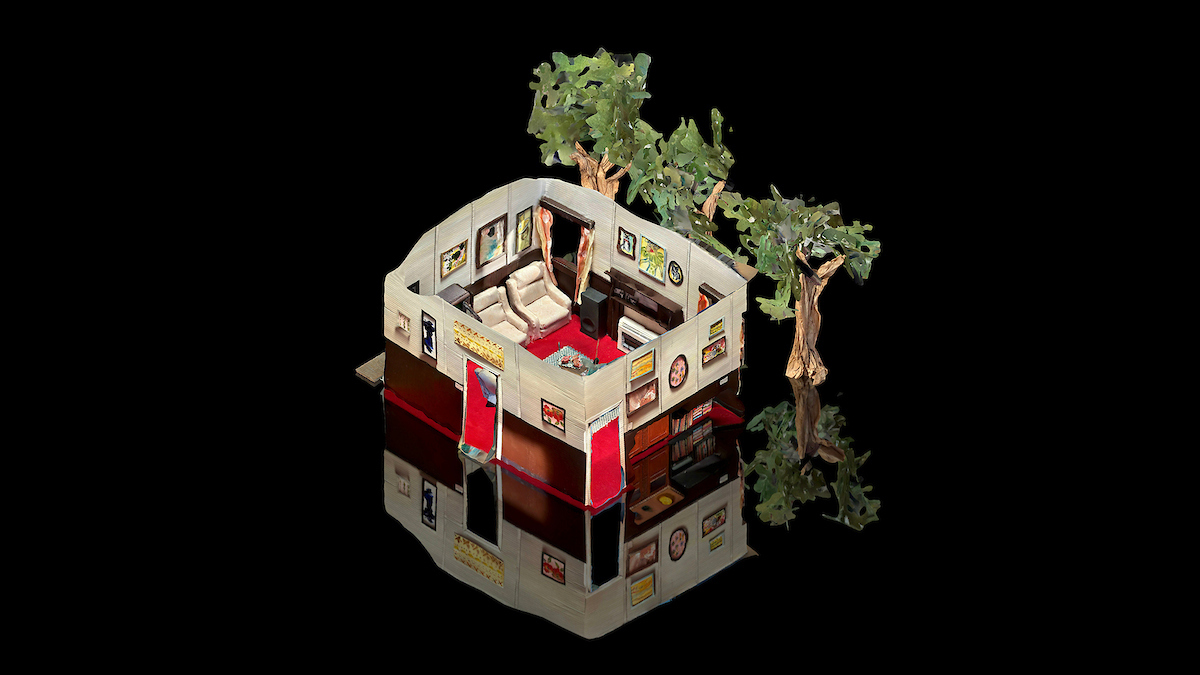
The nine Lightroom projects presented form a bridge between IFFR Pro and Art Directions and bring the range and forms of projects presented in the market in line with the Art Directions programme, incorporating mediums ranging from single-channel installation to XR, VR and multiplayer mixed reality. Amsterdam-based filmmaker and visual artist Maya Watanabe presents the single-channel video installation Jarkov, where a 20,000-year-old woolly mammoth becomes the focal point for exploring time and matter beyond human grasp.
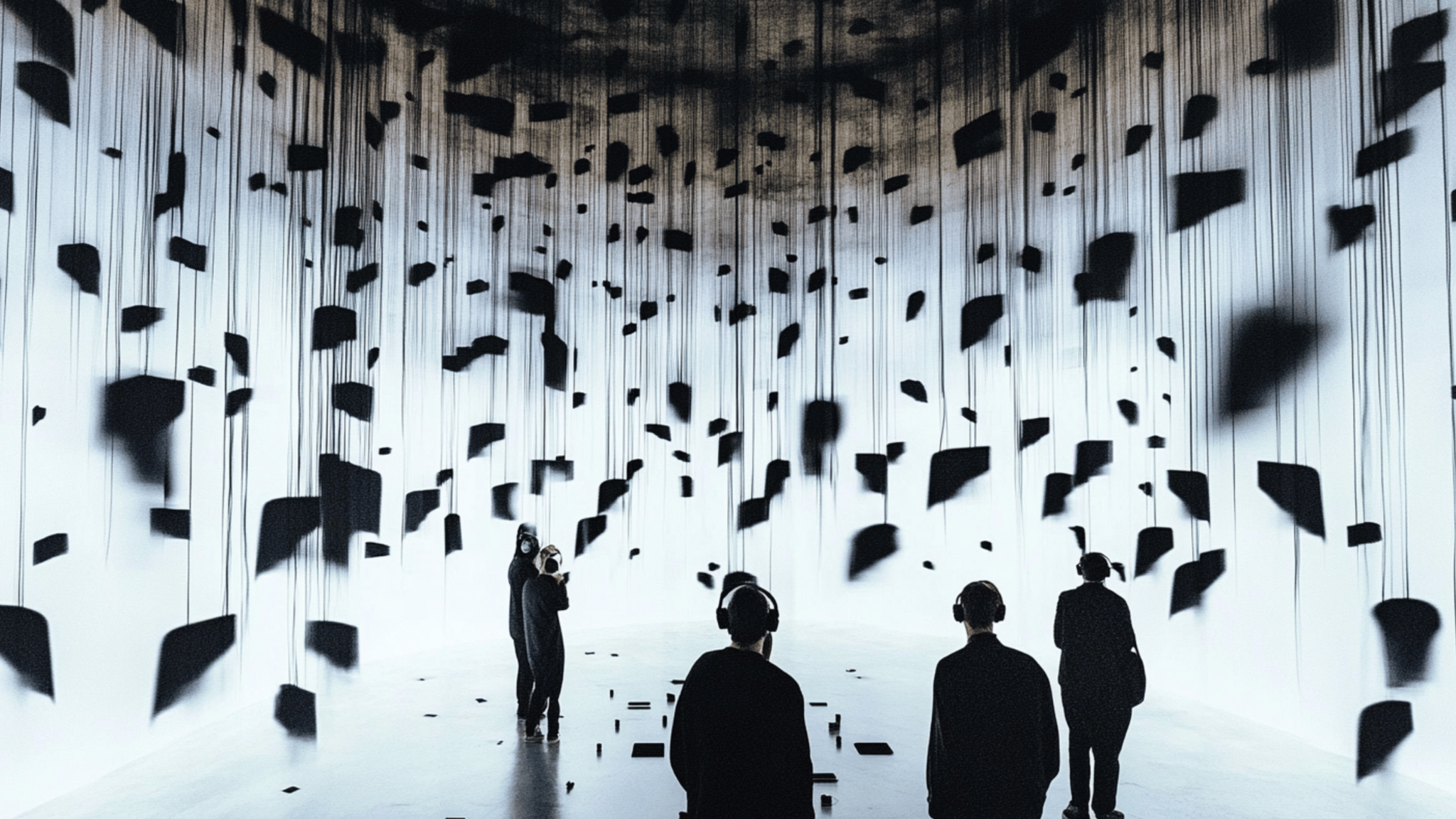
One of the projects selected for the first edition of Lightroom is Les Gens de la Pluie by Nicolas Blies & Stéphane Hueber-Blies (aka Bliesbro) who continue their exploration of fragility and intimacy that began with Ceci Est Mon Coeur (Venice Immersive 2024, Cannes Immersive 2025).
The synopsis reads: in an immersive space blending spoken word, electronic music and digital landscapes, Les Gens de la Pluie (The Rain People) invites the audience on a unique sensory journey. These beings, made of rain, melt into the tears of people when they weep, thus reinventing love. As the audience moves through the space, the narrative unfolds in two voices, like two sides of the same story, each spectator becoming the author of their own journey. An intimate odyssey about love in the face of time and the gradual erosion of the body.
“I’m pretty much a newbie at this IFFR Pro market, but obviously I know it’s famous and well known for being a bold festival and open to new and innovative forms of cinema”, says producer Le Gall. “And also, because it has always had a strong sense of authorship. I think that for this particular project from Bliesbro, we are trying to provide them with a long-term support for their career. We know that in Rotterdam, they take care of their authors. And IFFR is closely in line with our company DNA, which is lots of hybrid content”.
Le Gall isn’t looking for co-production partners on the project, rather opportunities for its dissemination across as many outlets as possible. He is therefore impressed by what Lightroom is offering. “It’s really important to be in touch with venues really early in the project. What I expect from IFFR Pro is to really create strong leads and interest from venues all over the world”. That will help validate the “concept” of the project and enable its improvement through dialogue and comment, Le Gall signs-off.
– by Nick Cunningham
Supported by

A list with articles
-
-
Hubert Bals Fund in Brazil: A Margem do Rio wins in Rio as supported films head to Mostra
Published on:-
Displacement Film Fund
-
Hubert Bals Fund
-
IFFR Pro
-
Tips
-
-