In memory of Simon Field (1946–2026)
We are deeply saddened by the passing of Simon Field, Festival Director and Co-Director of IFFR from 1996 to 2004.
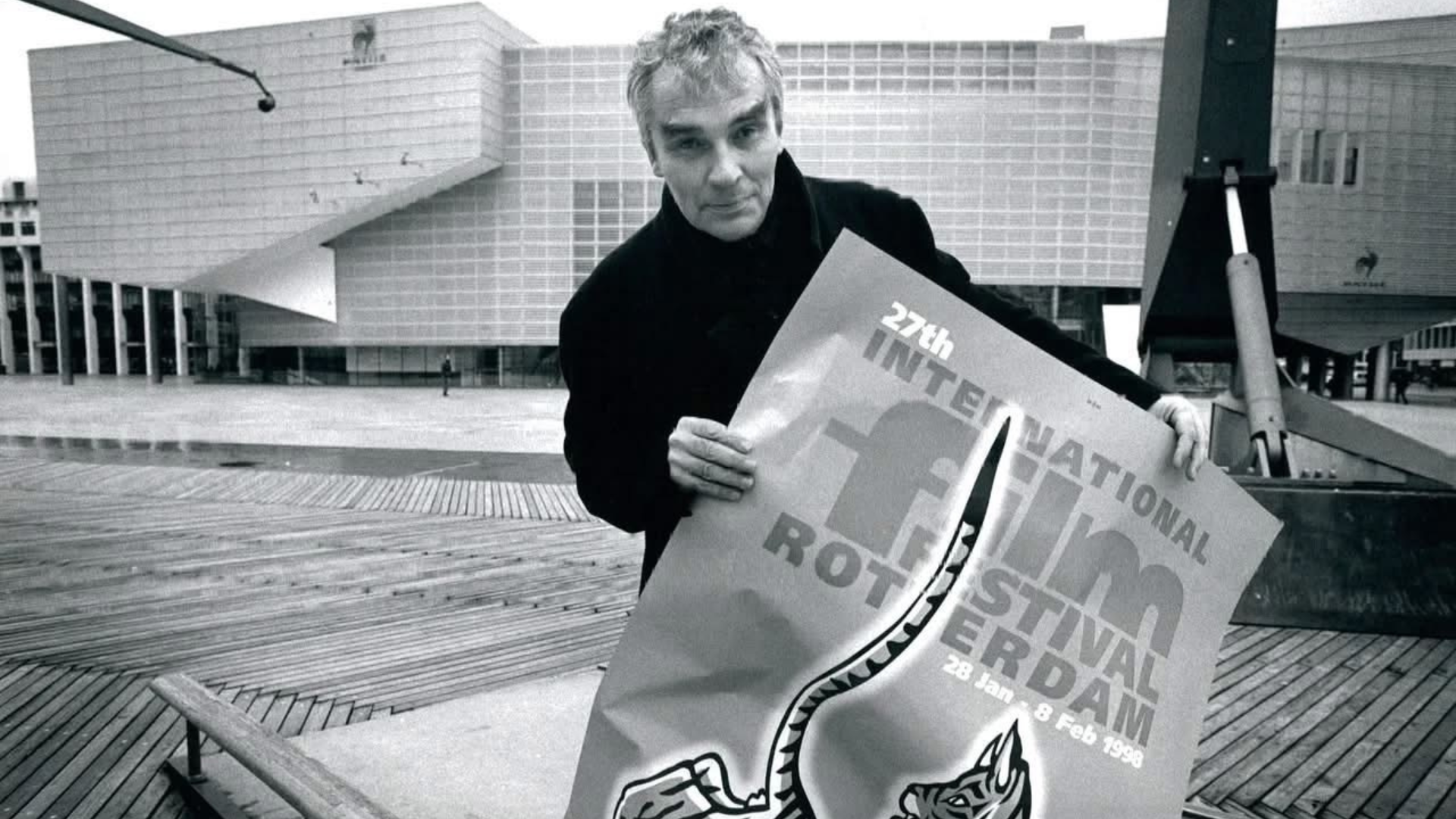
During his eight years at IFFR, Simon’s programming leadership and boundary-pushing vision as curator would prove defining for IFFR.
It was during Simon’s tenure that the Tiger Competition became internationally established as a programme for discovering bold and compelling new talent, with filmmakers as diverse as Lou Ye, Christopher Nolan, Hong Sang Soo and Pablo Trapero receiving awards during his time as director.
A long-term champion of experimental cinema, Simon’s appointment coincided with a very particular moment when filmmaking and artistic practices were expanding due to developments in digital technology. Grasping the importance of being at the forefront of these changes, he introduced the programme Exploding Cinema (now Art Directions) which took the Festival beyond the screening rooms and into Rotterdam’s museums and art galleries. At the time, no other major international film festivals were exploring this territory, and the new section immediately positioned IFFR internationally as a destination festival for innovation and experimentation.
Simon’s commitment to cinema history, its preservation and re-evaluation also saw him introduce both Cinema Regained and Filmmakers in Focus, sections that continue as essential components of IFFR’s programme today.
At the same time, working alongside Co-Director Sandra den Hamer, the Festival expanded its footprint in Rotterdam, embracing the opening of Pathé Schouwburgplein, a move that significantly increased the scale of the event and enabled more programming possibilities.
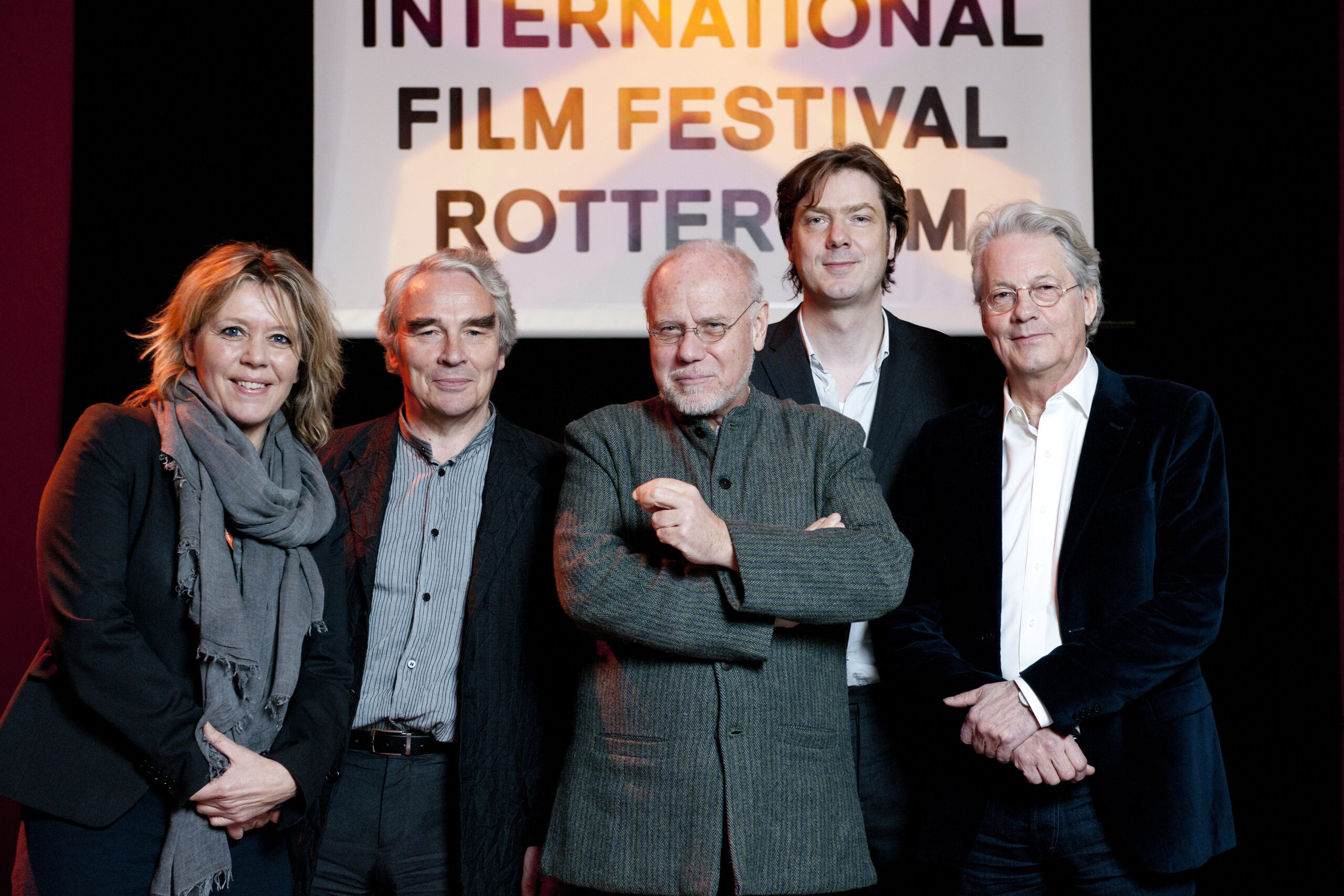
Simon had worked throughout the 1970s and 1980s as a writer and lecturer in Film Studies, and was founding editor of the journal Afterimage, an occasional journal devoted to radical cinema. From 1988 he became Director of Cinema at London’s Institute of Contemporary Arts (ICA), a position he held until joining IFFR. These experiences clearly shaped his artistic vision, his networks and his interest in developing audiences for many forms of cinema.
After leaving IFFR, Simon joined Keith Griffiths at Illumination Films, where their first project together – producing five films for Peter Sellar’s New Crowned Hope project – would see him working with filmmakers he had championed at IFFR – Mahamet-Saleh Haroun, Tsai Ming-liang, Garin Nugroho, Bahman Ghobadi and Apitchatpong Weerasthakul. He would continue to collaborate with Weerasethakul on his subsequent and current productions, including Cannes Palme d’Or winner Uncle Boonmee Who Can Recall His Past Lives (2010).
He remained closely connected to Rotterdam, continuing on the Selection Committee for the Hubert Bals Fund and returning regularly to the festival, including for the collaboration with Weerasthakul on SLEEPCINEMAHOTEL (2018). He moderated a memorable masterclass with Claire Denis (2019) and reflected on his years as Festival Director in an interview with current IFFR Festival Director, Vanja Kaludjercic, in the 25 Encounters publication (2021).
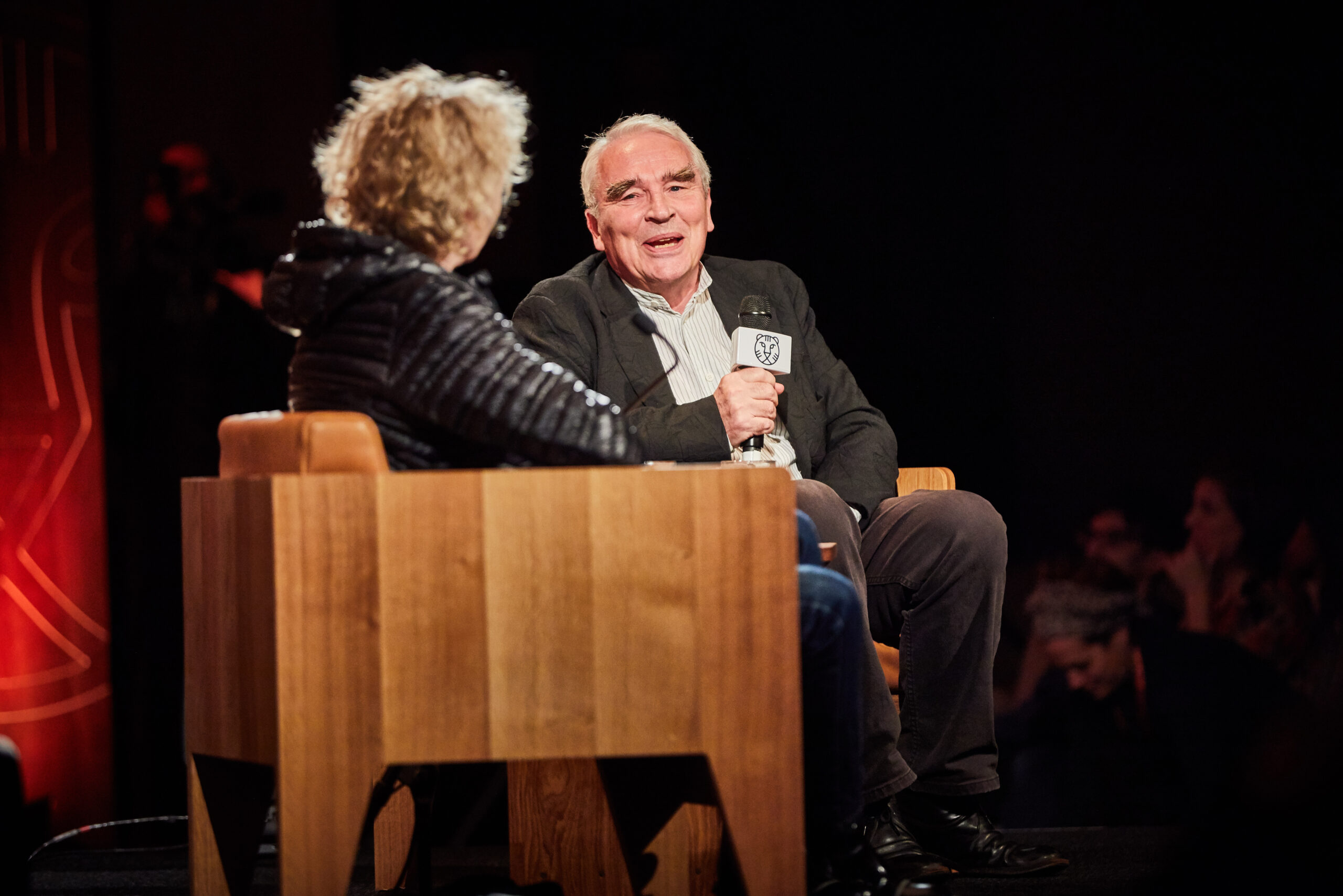
Alongside his cultural acumen and insatiable curiosity, Simon was an infectious bon vivant. From infamous karaoke nights at Busan film festival, to his convivial birthday parties at the Berlinale, his social flair contributed enormously to IFFR’s reputation as a festival that brought together intellectual integrity with a spirit of openness and fun.
His instinct for developing talent extended beyond filmmakers and artists, to the programmers and curators who champion their work. Having been introduced to Simon at his second IFFR in 1997 by our dear mutual friend Bill Gosden, I was fortunate to establish a fast and formative connection with him as a young programmer. There are many peer directors and programmers at IFFR and around the world who also benefitted from Simon’s creative guidance, his generous capacity for intellectual challenge and his love of martinis.
Simon left an indelible legacy at IFFR and had a significant impact on the many filmmakers he championed. We are deeply grateful for his vision and all that he contributed to the festival.
Our condolences to his beloved wife Annie, and to his vast network of colleagues, friends and collaborators.
– by Clare Stewart, Managing Director, IFFR
A list with articles
-
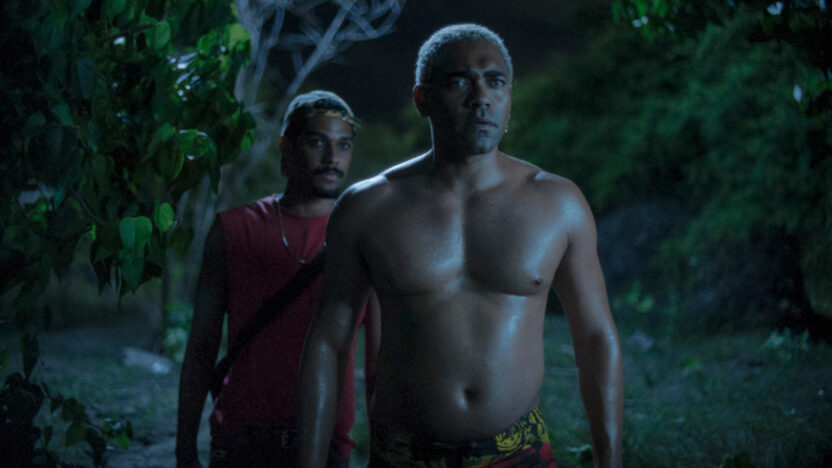
Hubert Bals Fund in Brazil: A Margem do Rio wins in Rio as supported films head to Mostra
Published on:-
Displacement Film Fund
-
Hubert Bals Fund
-
IFFR Pro
-
Tips
-
-
-