
Education: call for films
The IFFR Education department is continuously looking for suitable films for young audiences.
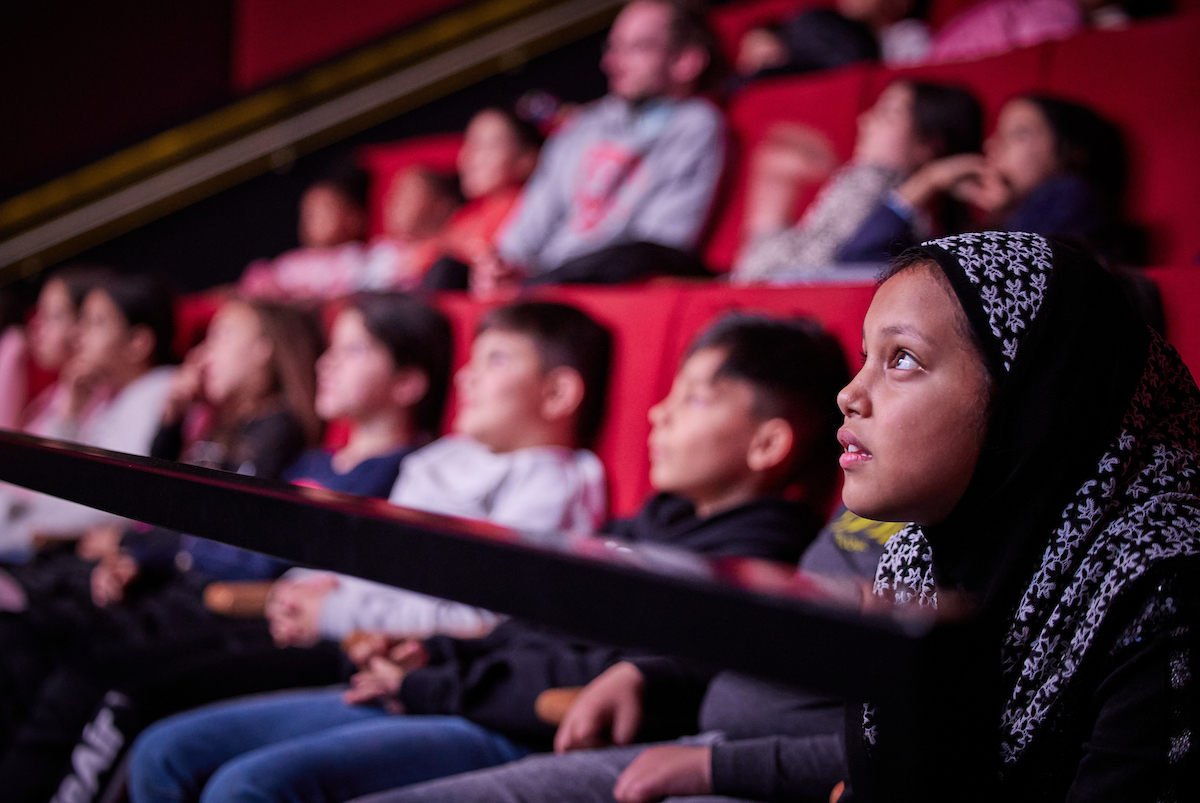
Each year, we welcome pupils and students to take part in educational activities organised by IFFR, both during the festival and throughout the year. Watching, discussing, and creating films are at the heart of these activities. The films included in IFFR’s educational programme are used to introduce film as an art form, to inspire creativity, and to spark conversations about social issues.
IFFR serves a wide range of age groups from 0 to 26 years, including the Babyfilmclub (ages 0-3), primary education (4-12), secondary education (12-18), and vocational education (mbo) (16-26). Each programme is carefully tailored to its specific audience and matches the interests and experiences of that age group.
The film programmes are accompanied by online teaching materials for educators to use in the classroom. These lessons explore various themes from the films, activate students’ prior knowledge, and provide insight into film as an art form and its creative process. With its education programme, IFFR aims to deepen understanding of the filmmaking process, introduce different genres, offer new perspectives, spark enjoyment in cinema and inspire open dialogue about social topics. In this way, film serves both as a medium and as a goal in and of itself.
You can find our current education titles via the ‘education’ tag on the website. A selection of examples is highlighted at the bottom of this page.
Do you think your film fits within our education programme? Submit your film using the form below.
Prerequisites for education programmes and activities
- Animation, documentary, narrative fiction or (accessible) experimental work
- Film has been released within the last 3 years
- Please note: films do not have to be educational in nature
- Films need to be age-appropriate.
- We are specifically looking for films addressing themes such as coming-of-age, identity, diversity, equity and inclusion (DEI), representation and related social topics
- No premiere status required
Duration and format guidelines:
- Ages 0–3: language-independent, up to 5 minutes
- Ages 4–9: language-independent, up to 15 minutes
- Ages 10–12: shorts up to 20 minutes (subtitled, in Dutch or language-independent) and feature films up to 90 minutes
- Ages 12+: shorts and features up to 100 minutes
Below are some examples of films currently or previously part of IFFR’s Education programme.
Primary education
-

Kleingeld
Daniel Bakker | 19′ | Netherlands |
It’s Indy’s birthday, but she doesn’t have money to treat her friends. Still, she doesn’t want to show up empty-handed. -
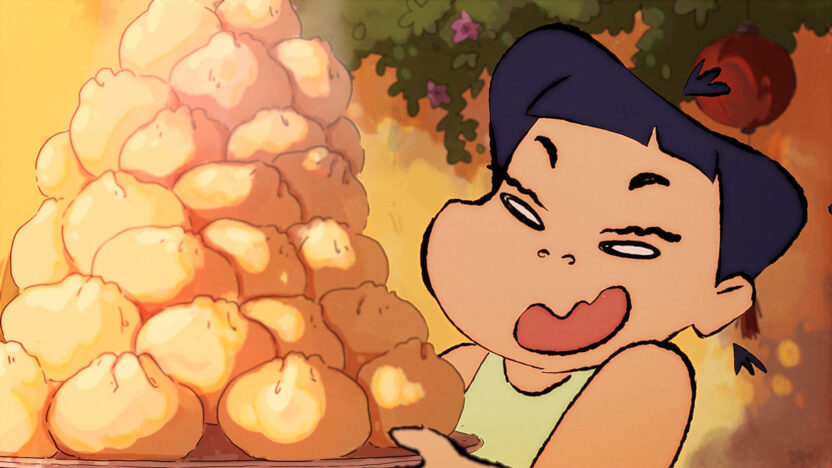
Ma doi, hungry ghost
Ludivine Bidoire | 7′ | France |
An unexpected visitor shows up for the festival of damned souls. -

Mondig Zuid
Affectionate documentary series, about three teens trying to achieve their ambitions while growing up in Rotterdam-Zuid.
Secondary / vocational education
-

Afterlives
Michael Heindl | 4′ | Austria |
Afterlives focuses on the afterlife of discarded plastic objects. -
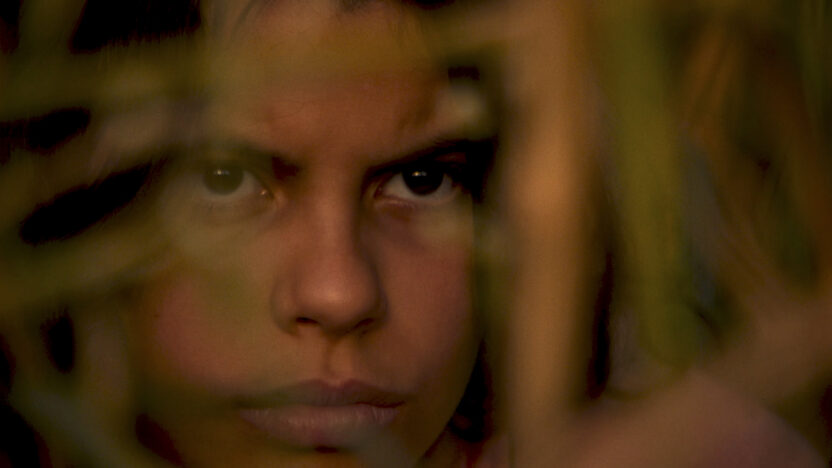
Barbed Wire
Gustavo de Carvalho | 20′ | Brazil |
When Angelina and her little brother, Santiago, set a dangerous trap, an innocent passer-by is injured. -

Hello Stranger
Amélie Hardy | 16′ | Canada |
Between loads of laundry at the corner laundromat, Cooper shares the story of her gender reassignment journey.
Contact us
Would you like to know more about our education programmes or education film submissions? We’re happy to help! You can reach the Education team at education@IFFR.com.