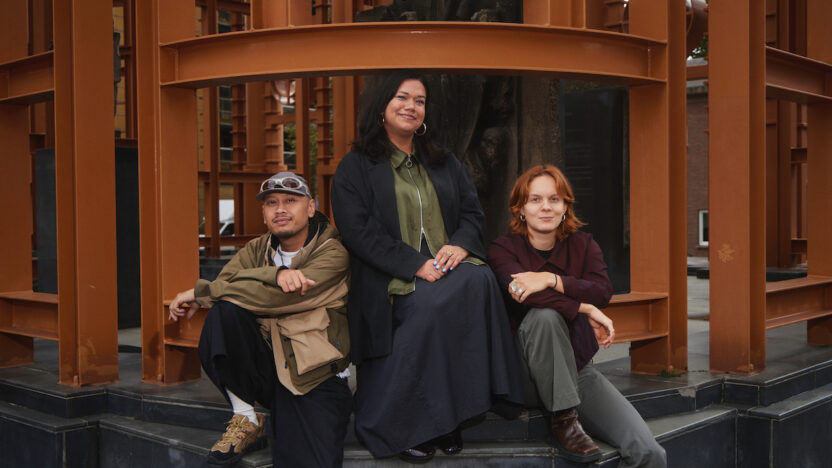
“Programmes like this help to foster new generations of filmmakers and cinema-goers”: Filmmaker Gustavo de Carvalho on IFFR’s education programme
For the upcoming edition of IFFR, filmmakers can apply to take part in the education programme, a key part of the festival that gives children and young people the chance to broaden their view of the world through film. We spoke to filmmaker Gustavo de Carvalho (Barbed Wire, 2024) about his participation in the programme and his own experience of screening his films to young people.
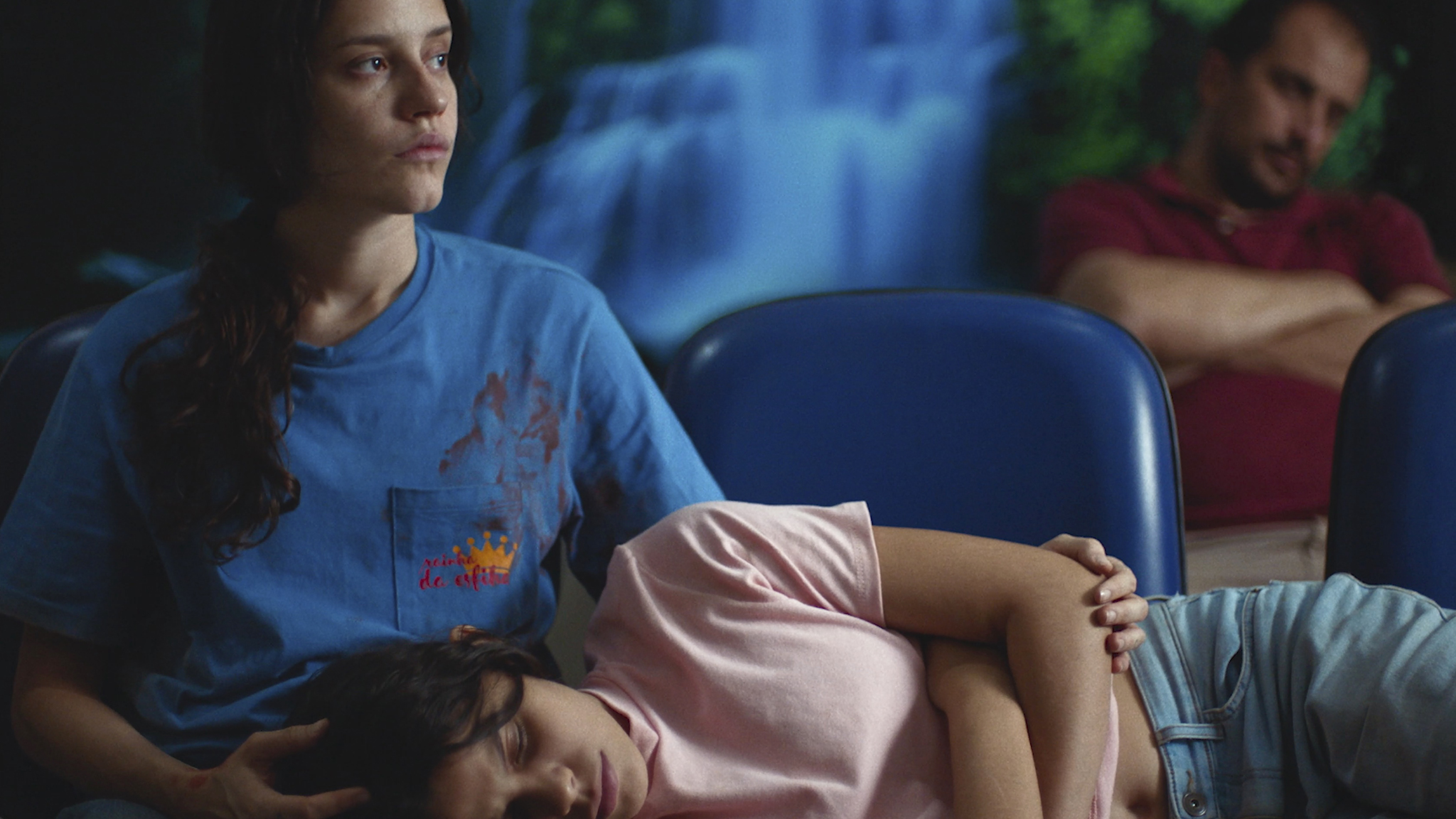
During IFFR’s education programme, thousands of children and students gather in cinemas across Rotterdam to watch films from all over the world. Brazilian filmmaker Gustavo de Carvalho was one of the guests at the 2026 edition, presenting his short film Barbed Wire. “It was a fantastic experience,” the filmmaker recalls. “My film was screened five times in packed cinema rooms. You could really tell that the young people were completely engrossed. They were incredibly enthusiastic, asked lots of questions and afterwards also told me about their own experiences with the various themes in the film.”
Barbed Wire is about Angelina, a teenage girl who lives in the Brazilian countryside with her mother, stepfather, older sister and younger brother. One day, she sets a trap using barbed wire, intended to scratch her stepfather’s car – but an accident occurs, and an innocent bystander is seriously injured.
Struggling with feelings of guilt, Angelina then spends a whole night in hospital with her sister and stepfather. Tensions between the family members run high as they try to understand each other and their family dynamics better.
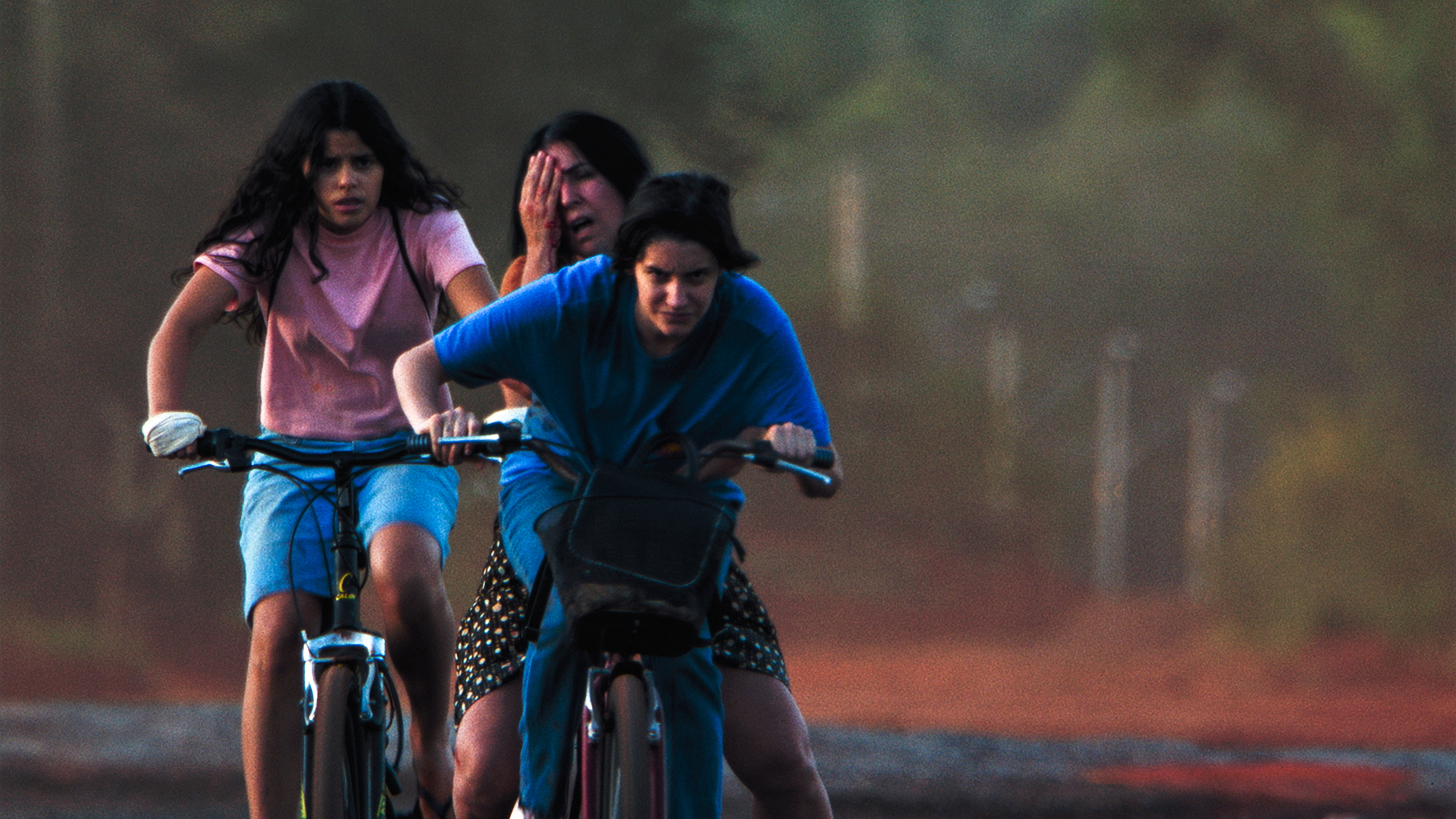
“The inspiration for the film came from an experience I had in my own childhood, when my father had to spend a whole night in the hospital’s emergency department,” says De Carvalho. “That night, I saw all sorts of different people, each with their own story, on which I based many of the characters in the film.”
“My experience in the hospital inspired me to make a film in which community plays an important role,” De Carvalho continues. “We shot the film in the small, rural village where I grew up, and many of the people you see actually live there. In that sense, the film is also very much about life in the countryside – an aspect of Brazilian culture that is usually rather under-represented.”
“Watching films from all over the world, about places you may never have heard of, gives you a new perspective on the world.”
De Carvalho says he found it particularly valuable that IFFR’s education programme introduced so many young people to this relatively unfamiliar culture. “Watching films from all over the world, about places you may never have heard of, gives you a new perspective on the world. You gain insights into cultures that are different from your own, which helps you to better understand how the world works.”
“That’s why festival programmes like this are so important,” De Carvalho continues. “They help to foster a new generation of filmmakers and film-goers. When I was young, I didn’t have much access to culture, and even now you still see very few education programmes of this kind in Brazil.”
“It really does contribute to children’s development”
“It really does contribute to children’s development,” says De Carvalho. “For example, after one of the screenings, a group of young people came up to me to say how much they’d enjoyed seeing how things they recognised from their own lives also happen on the other side of the world. Or they shared experiences of how, just like the main characters in my film, they dealt with feelings of guilt and anger.”
“I, too, was inspired by the various films I saw as part of the education programme,” adds De Carvalho. “For example, there were screenings of films from Norway, Iraq and Turkey, each of which showcased a different aspect of life. It was very inspiring to see how people all over the world are working to create diverse, unique stories, and how these come together at a festival and are brought to the attention of a large and young audience.”
– by Cas Hoekstra
A list with articles
-
IFFR-supported films at the 70th BFI London Film Festival
Published on:-
CineMart
-
Hubert Bals Fund
-
IFFR Pro
-
Stories
-
Tips
-
-

Hubert Bals Fund announces HBF+Europe: Post-production Support selection 2026
Published on:-
Hubert Bals Fund
-
News
-
-