Living in near isolation, a husband repeatedly attempts to break free from his volatile wife, to no avail. Mejbaur Rahman Sumon’s Roid examines desire and attachment with haunting, elemental imagery and compelling performances.
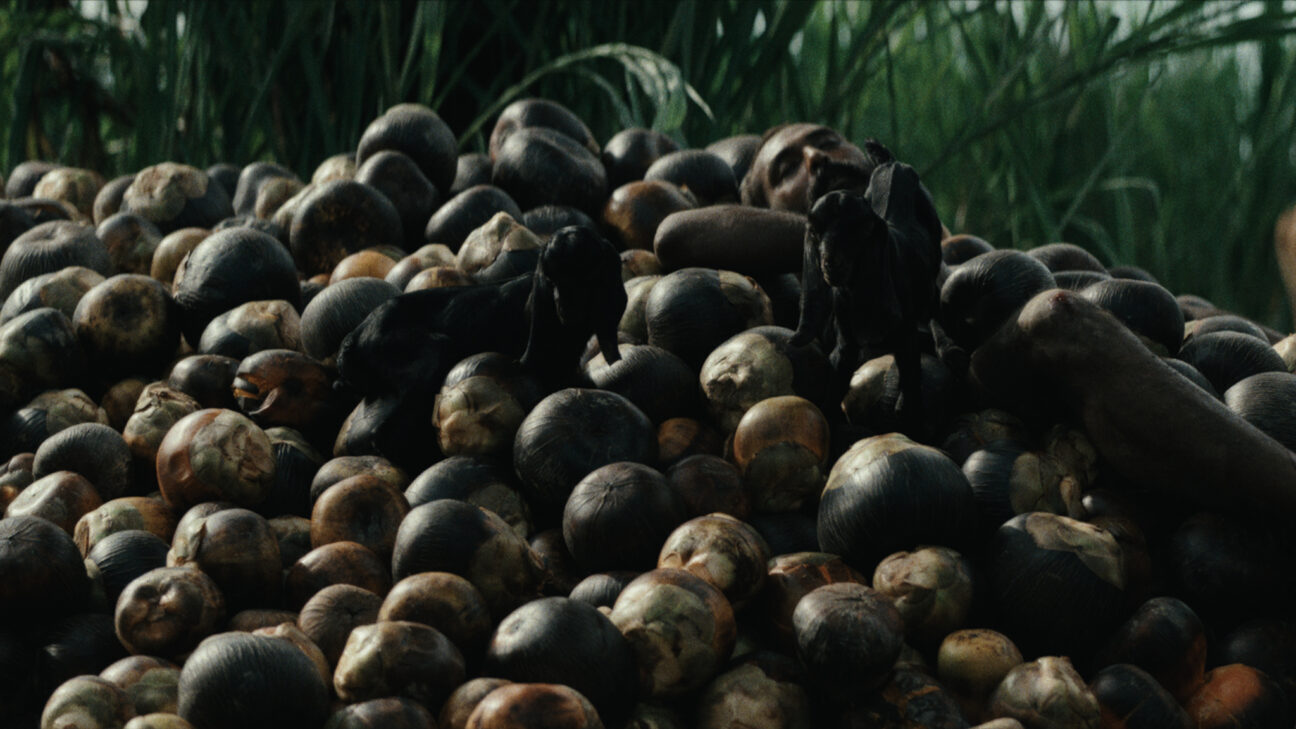
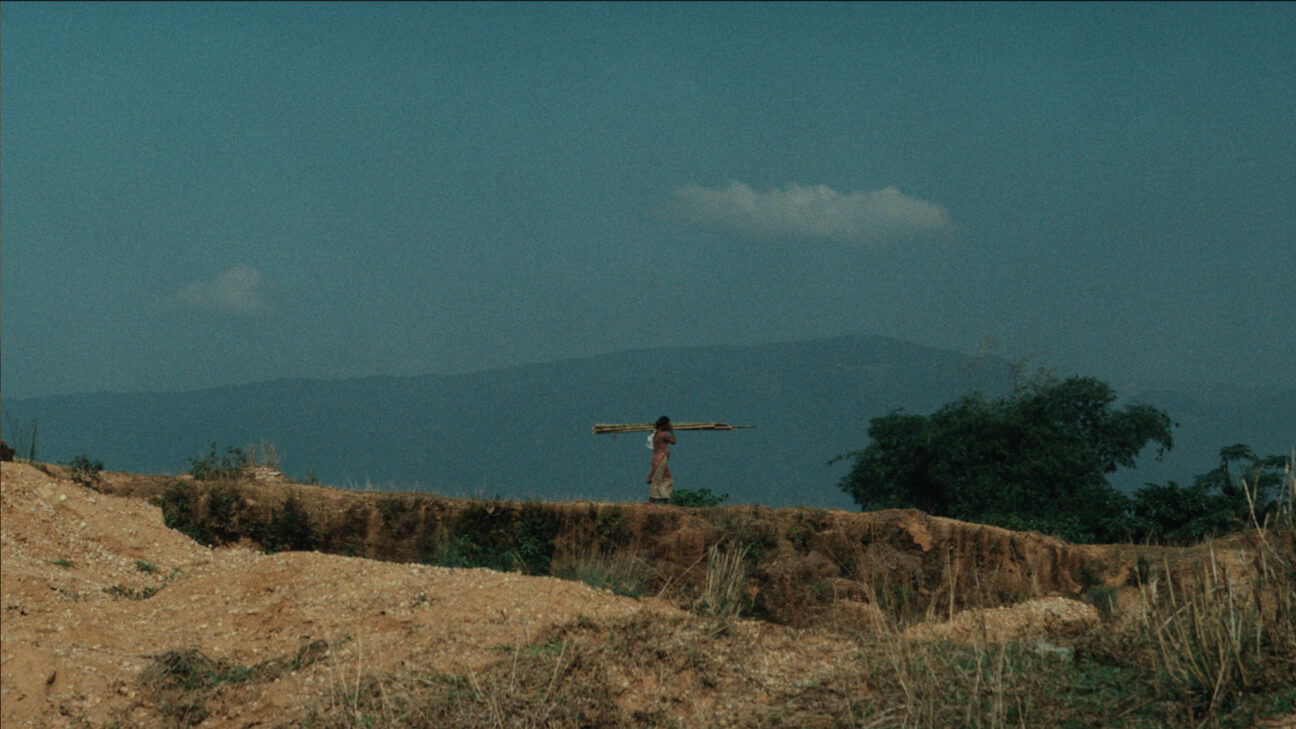
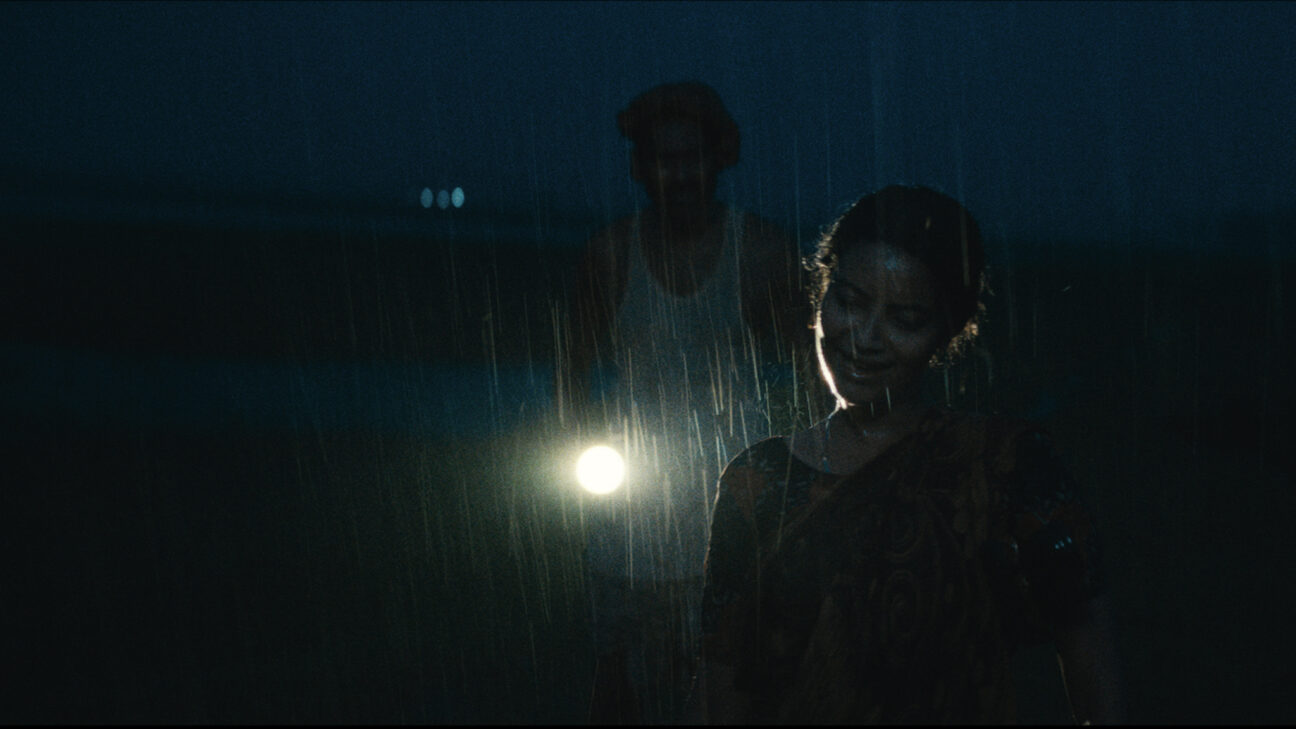
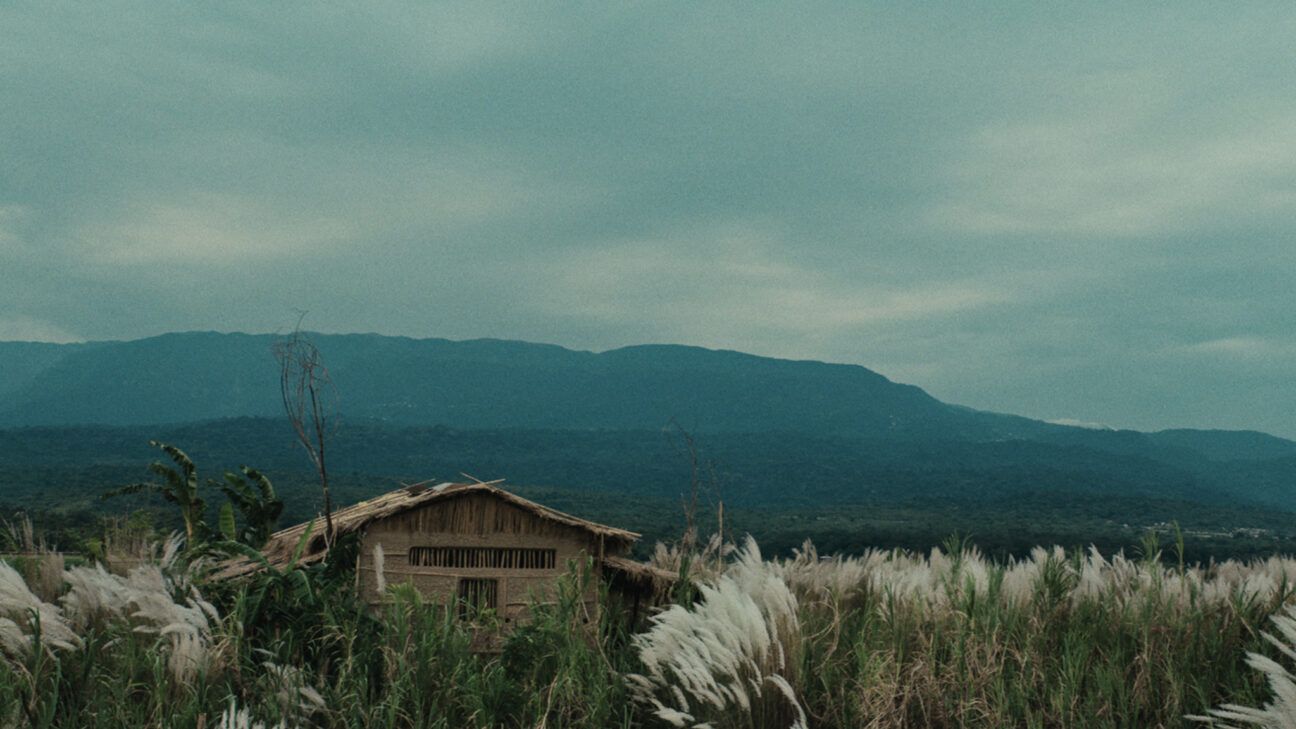
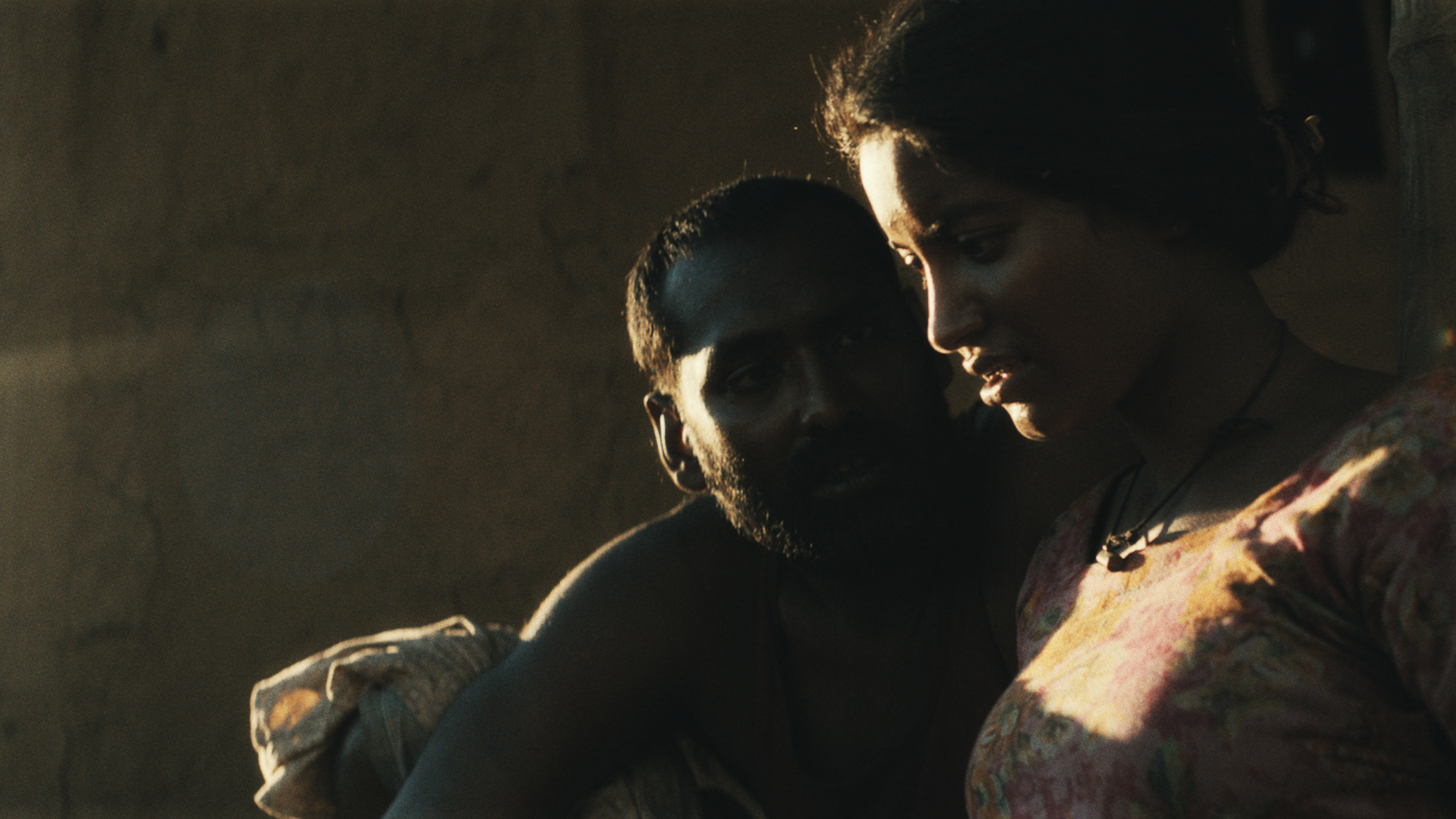
Far from the nearest village, a couple lives in near isolation: a shy man and the benighted woman he has married. At times, she cannot control her emotions, and her outbursts become a threat to her husband’s life. Quietly, he begins plotting her removal, abandoning her in places she has never seen. Days after his first attempt, a fruit drops from the palmyra palm near their home, and his wife returns. Again and again, he tries to lose her, yet each time the fruit falls, and each time she comes back.
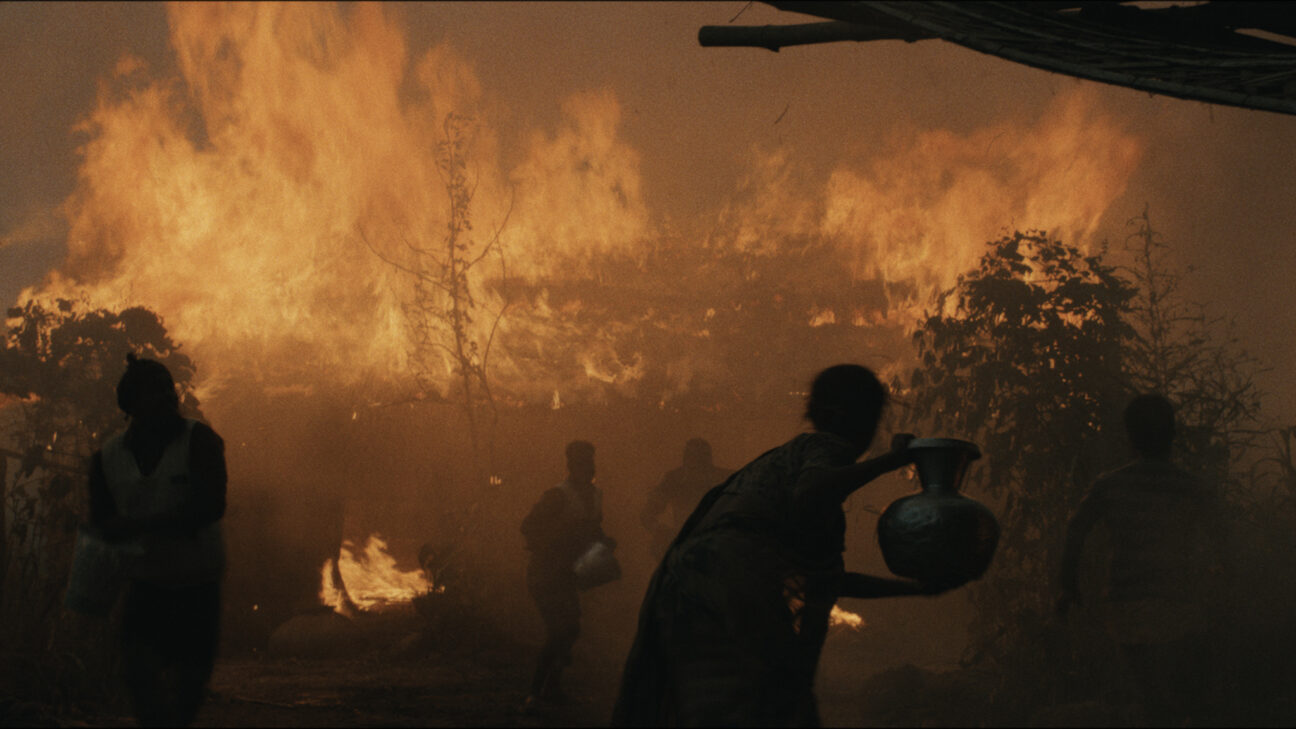
Genesis, the story of Eve and Adam, permeates Mejbaur Rahman Sumon’s allegory about the forces that bind people together and the brutality sometimes required to tear them apart. The film unfolds in a rural world shaped by traditional structures, where an arranged marriage becomes a crucible for resilience, defiance and desire. Its images carry a stark, almost archaic beauty, and the woman at its centre emerges as an unruly, compelling presence whose path refuses to follow any expected course.
Measured in rhythm yet charged with emotion, Roid offers a mesmerising journey through a landscape and a relationship shaped by cycles of departure and return.
– Vanja Kaludjercic
Trailer
This content is available after accepting the marketing cookies.
Film details
- Country of production
- Bangladesh
- Year
- 2026
- Festival edition
- IFFR 2026
- Length
- 109'
- Medium/Format
- DCP