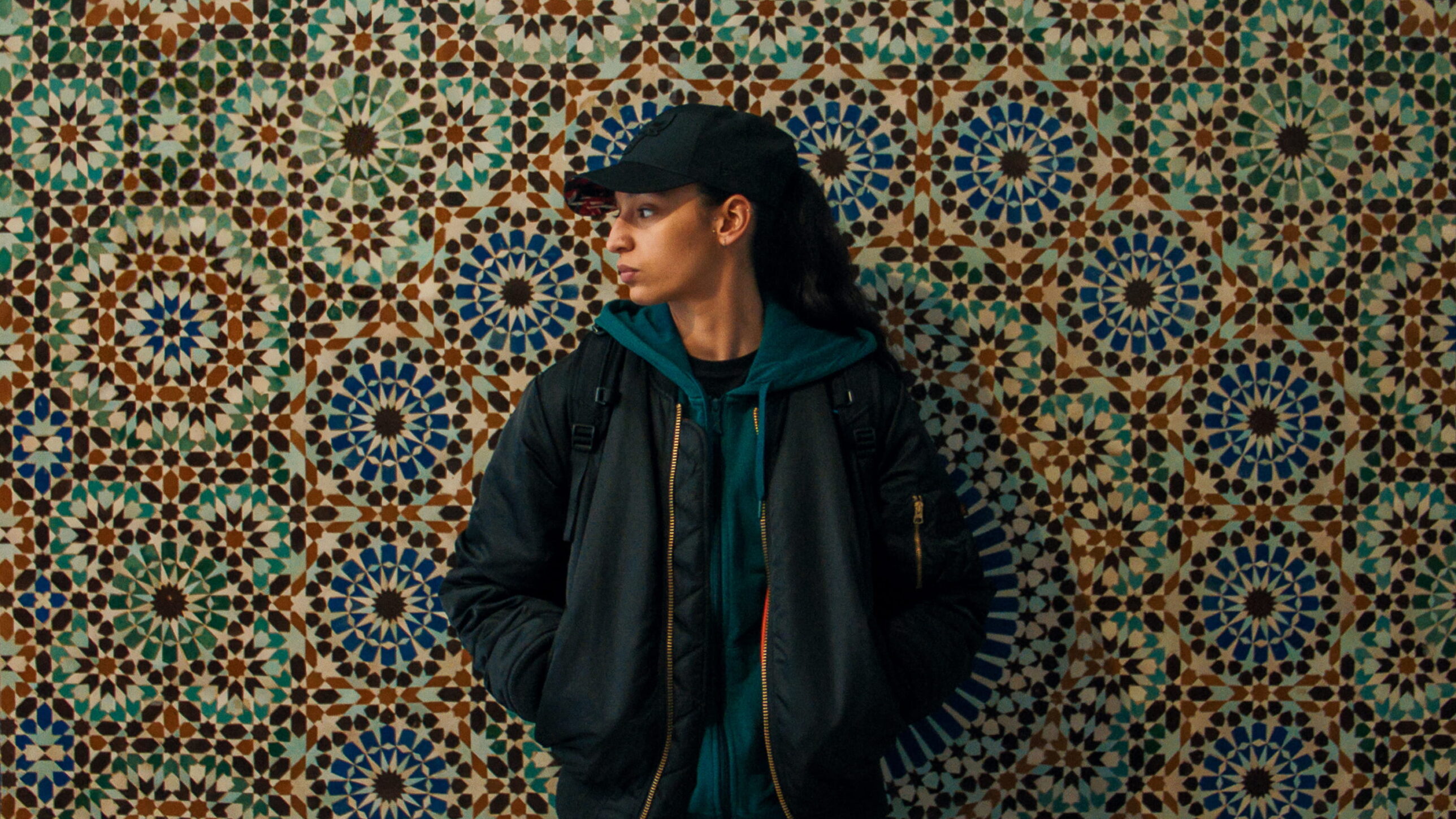
This panel explores how filmmakers harness bold storytelling and distinctive aesthetic choices to engage with urgent social realities and proposed social evolutions. Focusing on form as a political tool, the discussion highlights how cinematic language – structure, visual style, sound, performance and narrative experimentation – may articulate lived experience and collective struggle without didacticism. These artistic choices become central to the filmmaker’s political intent, enabling audiences to connect with speculative futures while remaining immersed in a singular authorial vision.