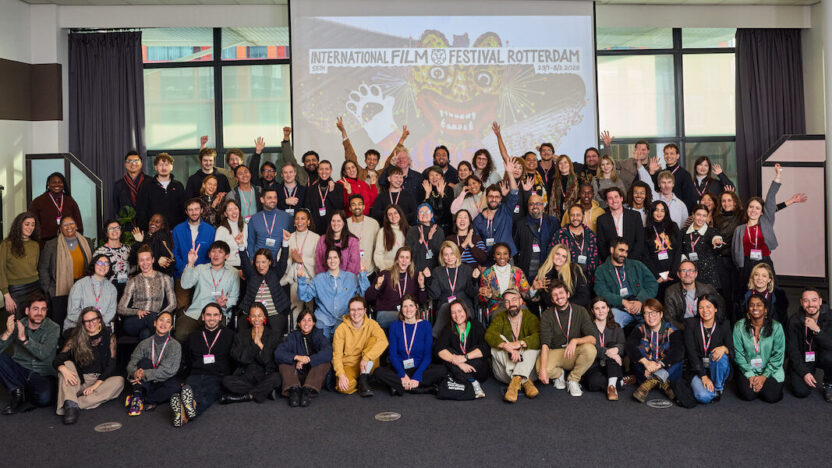
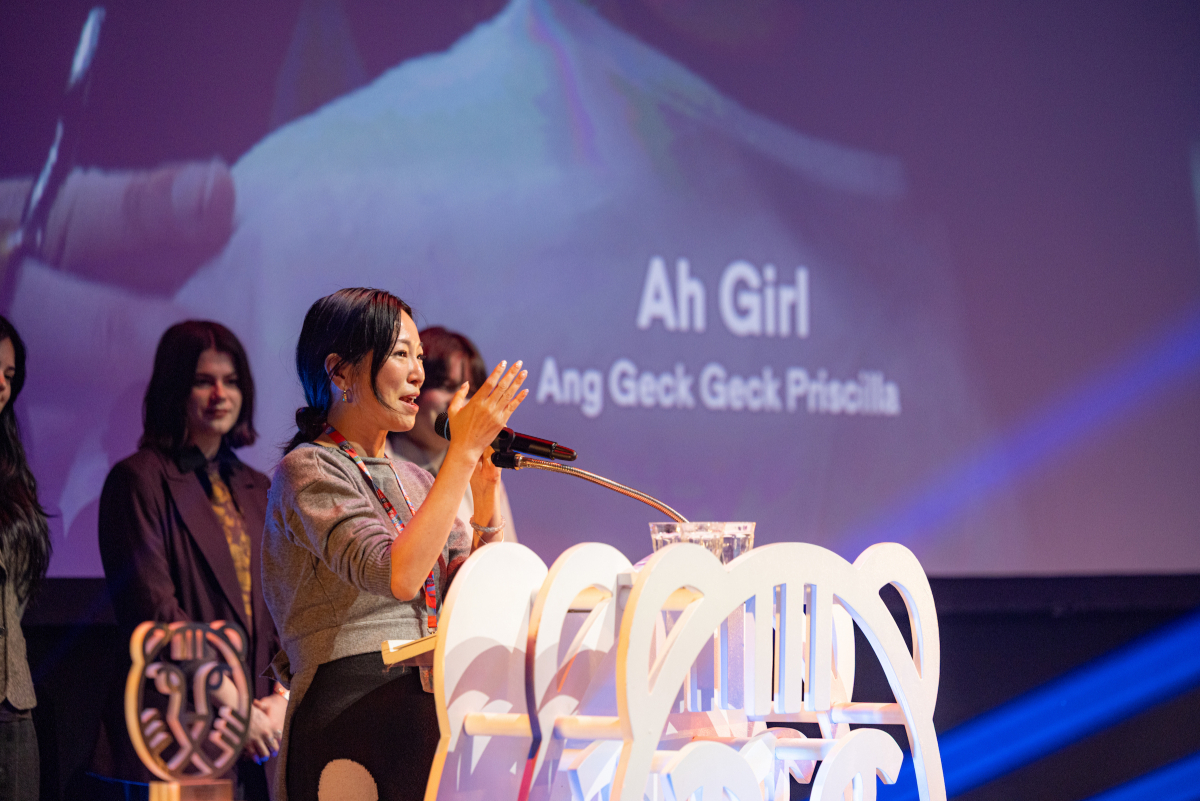
“Tell a story that’s the hardest to tell”: Ang Geck Geck Priscilla on winning the IFFR 2026 Youth Jury Award with Ah Girl
Give a young jury a film and time to discuss it, and they tend to appreciate things that others wouldn’t. That’s what makes winning over the Youth Jury one of the most coveted achievements at IFFR each year. The award is organised by the IFFR Education team as part of a wider programme for students and young people to get immersed in the world of film. Singaporean filmmaker Ang Geck Geck Priscilla’s Ah Girl, told entirely through the eyes of a seven-year-old, was a fitting choice for 2026. Ahead of its North American premiere at the Toronto International Film Festival, Ang sat down with us to reflect on how she brought us into the world of a child, and what the award meant to her and the film.
Set in 1994 Singapore, Ah Girl tells the story from the perspective of seven-year-old Ah Girl / Swee Swee Ang (Xuan Jing Ong) and her four-year-old sister Ah Tian / Swee Geck Ang (Sydney Wong), who are caught between the worlds of their parents as they undergo a divorce. Swee Swee is a curious and rebellious child who is sensitive and caring at her core. At home, she is a protective big sister who is unafraid to fight for control over her and her little sister’s destiny despite being repeatedly told to stay out of the business of grown-ups. At school, she is an independent businesswoman who is busy selling bubble-gum to classmates – illegal under Singapore’s chewing gum sales ban – to earn pocket money.
Ah Girl’s portrait of childhood is intimate yet universal. The performances of the actresses conjure emotions of childhood: the frustration of not being heard, confused by choices made for you, helplessness and loneliness when misunderstood but unequipped with the vocabulary to express yourself. Above all, Ah Girl reminds us that navigating childhood can be difficult, but it is also filled with innocent laughter and simple joy. Like chewing bubble gum, you can always start over if the bubble bursts.
“Hoping that more people won’t feel as lonely as they think they are”
Ah Girl was a deeply personal project for Ang, with most events drawn from Ang’s own experiences. In one of the film’s first scenes, for example, Ah Girl and her sister pick up crayons and toys from bags of rubbish. Ang did the same as a child in 90s Singapore, when “people were always moving”, new estates were going up and stairways were filled with what people threw out. “Those things that they threw were always very new,” says Ang. “We would go and dig and dig. I found it very fun, it’s like free shopping.”
“I didn’t grow up with a very easy childhood”, she reflects. “That’s why I thought I could write it into the story, hoping that more people won’t feel as lonely as they think they are.”
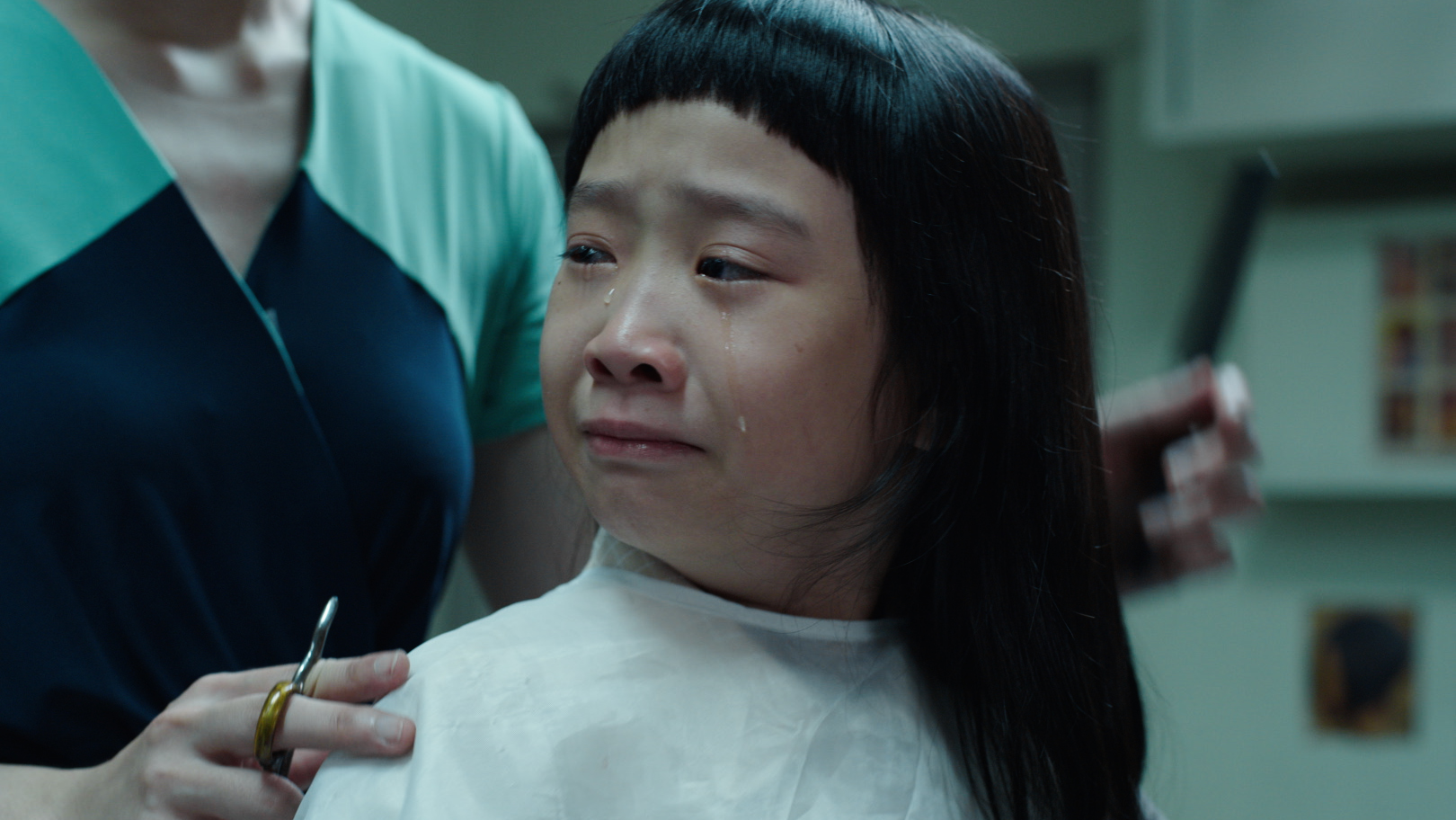
Throughout the film, Ang uses the 4:3 aspect ratio to evoke 90s television. This narrower, classic ratio also suits the film’s character-driven approach, drawing the frame in close on facial expressions and bringing us into the child’s point of view. In their statement on Ah Girl, the Youth Jury were particularly charmed by this approach which they labelled like a “warm hug” and praised the way in which the film calls “upon the world to take our youngest friends more seriously.”
“Building enough trust for a child to see me as someone they can rely on”
Central to this achievement was Ang’s approach to her cast. Before filming began, Ang dedicated her time to connect with the two main actresses and learn about them as individuals. “The final two kids, they spent almost two months with me. We’d go out without their parents”, says Ang. “When we’d go out, I would build activities based on the character in the script. For example, there’s a scene in the McDonald’s. I brought the kids to McDonald’s, and then we did certain things that would happen in the film.”
“From there, I also see what other quirks they have that I can also inject that into my script. It’s two-way for me, understanding a child and building enough trust for a child to see me as someone they can rely on.”
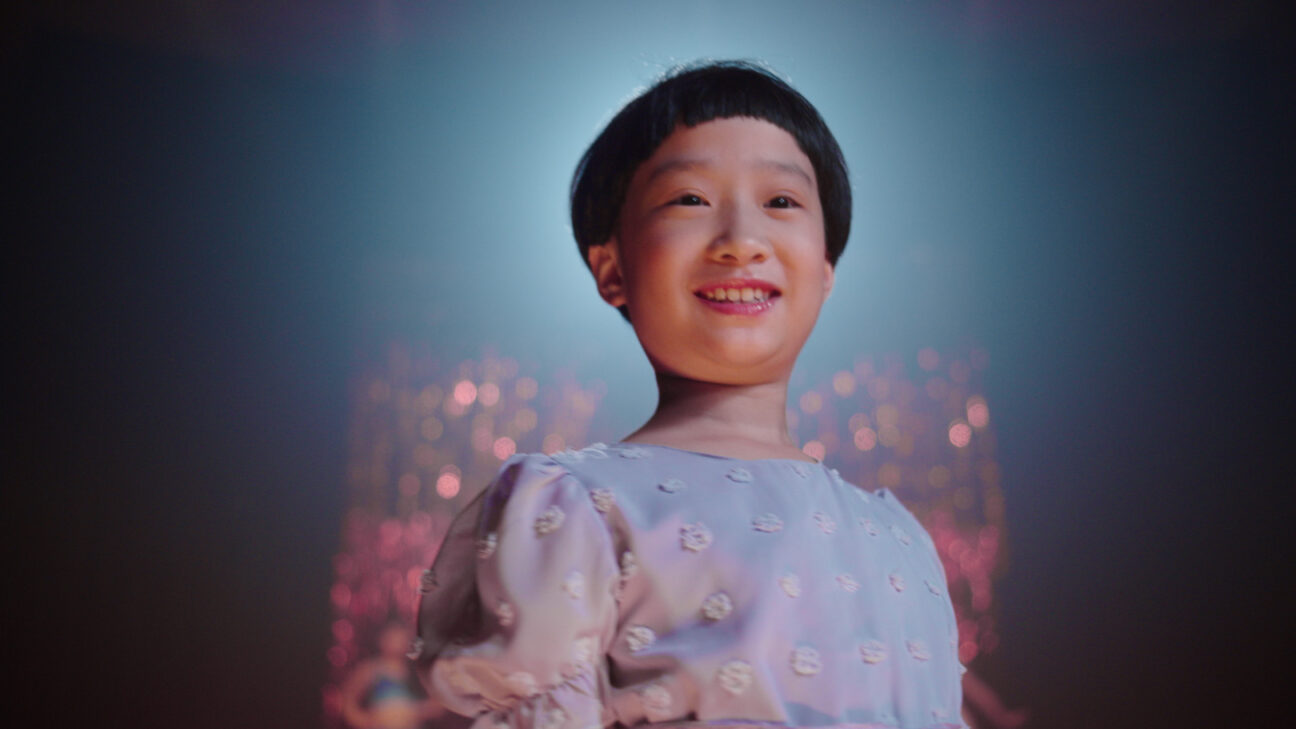
Wong, who plays little sister Ah Tian, would often question why she had to say a particular line. Once Ang explained, the three-and-a-half-year-old would volunteer her own thoughts on it unprompted – a sign, Ang says, that she was working out how to deliver the line in her own way. “It’s amazing for her age!” Ang exclaims.
Nine-year-old Ong Xuan Jing who plays Ah Girl went on to make a historic double-award win, winning Best Actress at the Malaysia Golden Global Awards, after she’d picked up the Firebird Award for Best Actress at the 50th Hong Kong International Film Festival.
“This film can really travel”
Before the premiere, Ang wasn’t sure whether the film would resonate with younger generations, particularly as it’s set in the 1990s: “I was quite surprised, because firstly, I’m in a foreign land, I didn’t know whether this Asian, Singaporean film would be something that people can relate to or connect with. The reaction from the audience gave me a lot of reassurance that this film can really travel. “The Youth Jury Award let me know, this film can reach out to an even wider audience, and that helps a lot for getting a distributor to come on board so that this film can reach a wider audience.”
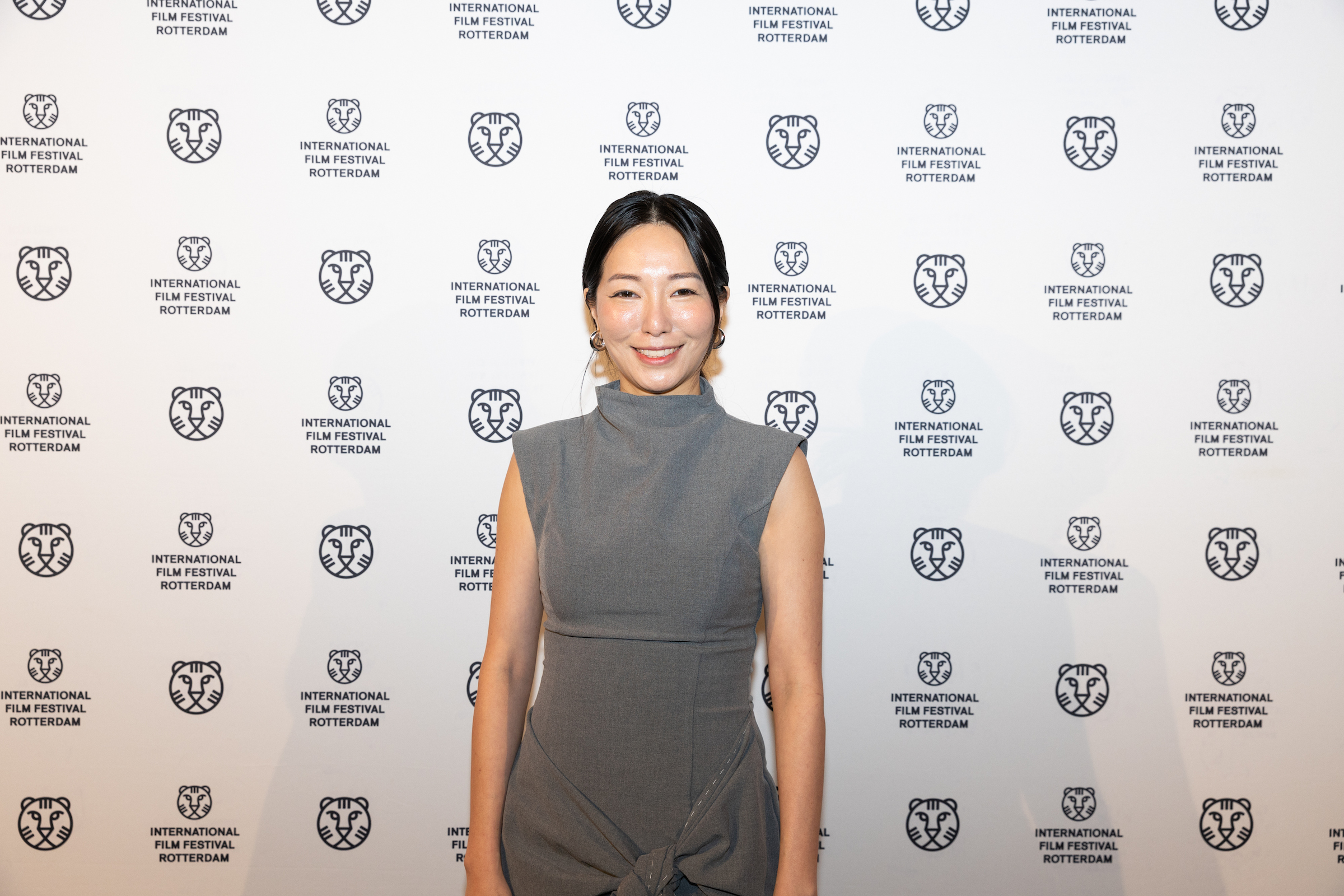
The film’s premiere marked a 10 year return to Rotterdam for Ang, who visited the Netherlands for the first time as she began work on the project. Being at IFFR “makes you really very comfortable…it’s for people who really love film”, she reflects. “I had very young people, like Gen Zs, coming to me and crying, telling me that they can really relate because that is what is happening to them or happened to them when they were a kid.”
“In those moments, I didn’t really know what to say either. I just hugged them. I think sometimes that is enough. There is something very powerful about two strangers not sharing the same language or upbringing, but recognising the same emotion in each other.”
“It has made me realise even more strongly that so much of who we become is shaped by our childhood. We may grow up in different countries, religions, cultures or family structures, but the need to be loved, seen and accepted by our parents is very universal.”
“It was about understanding what I needed as a child, and what I want to choose for myself now”
Despite the universal appeal, for Ang, the key to finding this wide audience was creating a personal story that was true to herself. “I always struggled with the ending, because I wanted to write the script or write the film, but I didn’t know why I’m writing or who am I writing for?”
The ending shifted from dark to hopeful as she was writing – influenced by the counselling sessions suggested by the same counselors she met during research at the social service centre to offer input on the film. This therapy ultimately helped her “find the answer for the ending” and who she wanted to write this film for.
“I thought I was writing this film for my father, my mother, then my grandmother. But in the end, I realised I was writing it for myself. It was about understanding what I needed as a child, and what I want to choose for myself now.”
“I don’t want Ah Girl to say that we are permanently defined by what happened to us as children. We may not be able to control the childhood we were given, but as we grow older, we can decide what we want to carry forward and what we want to leave behind.
That is ultimately what Ah Girl’s journey means to me. She cannot choose what her parents do or change the family she was born into. But in the end, she can begin to choose herself.”
“From the deepest part of the heart”
This personal journey of making Ah Girl is reflective of Ang’s personal belief and her advice for young aspiring creatives: “I always say, if you want to tell a good story, always tell a story that’s the hardest to tell from the deepest part of the heart. Usually, it will be a good story.”
– by Adeline Law
A list with articles
-
-
IFFR-supported films at the 70th BFI London Film Festival
Published on:-
CineMart
-
Hubert Bals Fund
-
IFFR Pro
-
Stories
-
Tips
-
-
Hubert Bals Fund announces HBF+Europe: Post-production Support selection 2026
Published on:-
Hubert Bals Fund
-
News
-