Having invaded Lanka to rescue his abducted wife, Lord Ram must face the mighty Meghnad, Lanka’s invincible crown prince. What should have been a righteous battle between equals is manipulated by the gods, who conspire to favour Ram and deceive Meghnad.
As war ravages his kingdom, Ravan, the king of demons, sends forth his finest warrior: his son Meghnad, renowned for defeating even Indra, the king of gods. On the rival front, Ram, the king of men, his brother Lakshman and Ravan’s renegade brother Vibhishan are crippled by the thought of facing Meghnad. Meanwhile, Indra persuades other powerful gods to help Ram vanquish Meghnad by any means necessary.
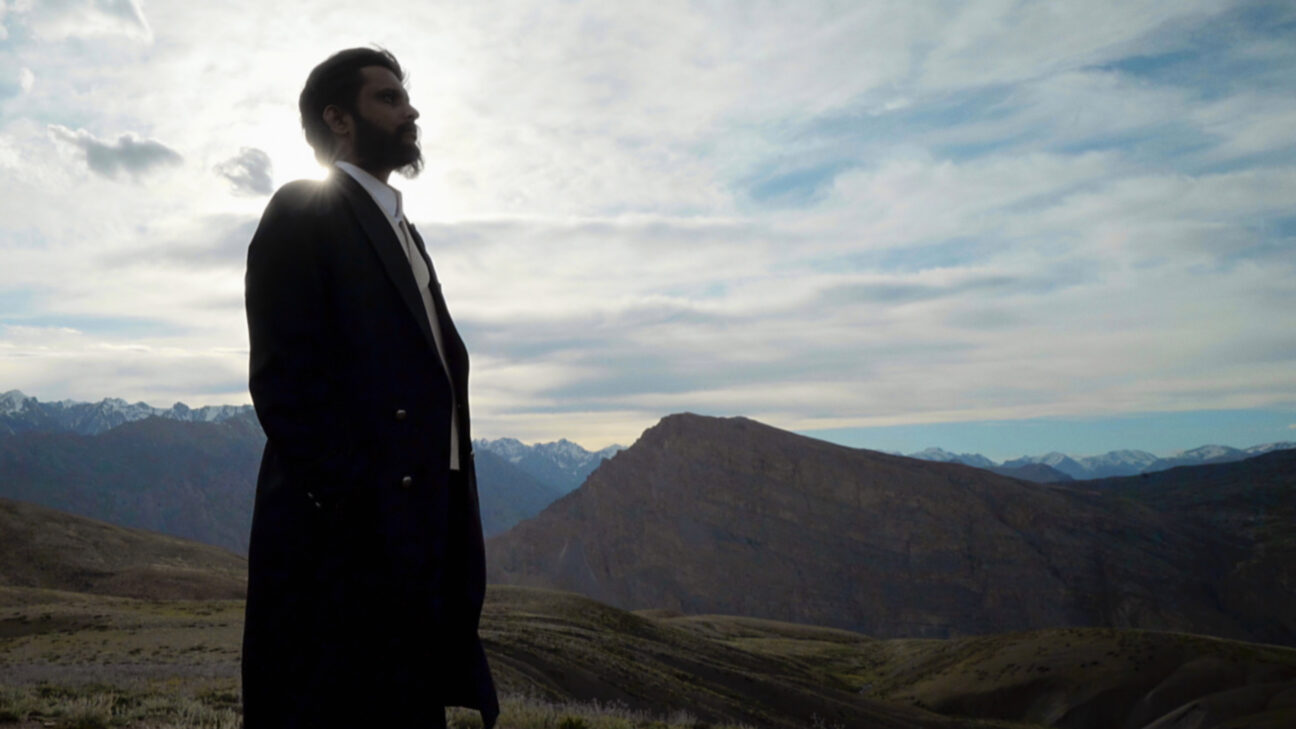
Where Devastated (IFFR 2024) offered a critical re-examination of the Bhagavad Gītā, Ashish Avikunthak’s new work takes on the Ramayana via a 19th-century re-reading of the epic. The Killing of Meghnad is an adaptation of the 1861 poem by the Bengali poet Michael Madhusudan Dutt, who figures in the film in Victorian costume, reading his own text. Avikunthak’s austere, anti-psychological version of Dutt’s poem turns Ram, an infallible moral figure, into an anxious anti-hero uncertain about the right course of action, saved only by partisan gods.
Unfolding in spectacular natural vistas, Avikunthak’s serene epic resurrects the oldest Indian film genre – the “mythological” – with an inquiring, modernist soul.
– Srikanth Srinivasan
Trailer
This content is available after accepting the marketing cookies.

Film details
- Country of production
- India
- Year
- 2026
- Festival edition
- IFFR 2026
- Length
- 93'
- Medium/Format
- DCP