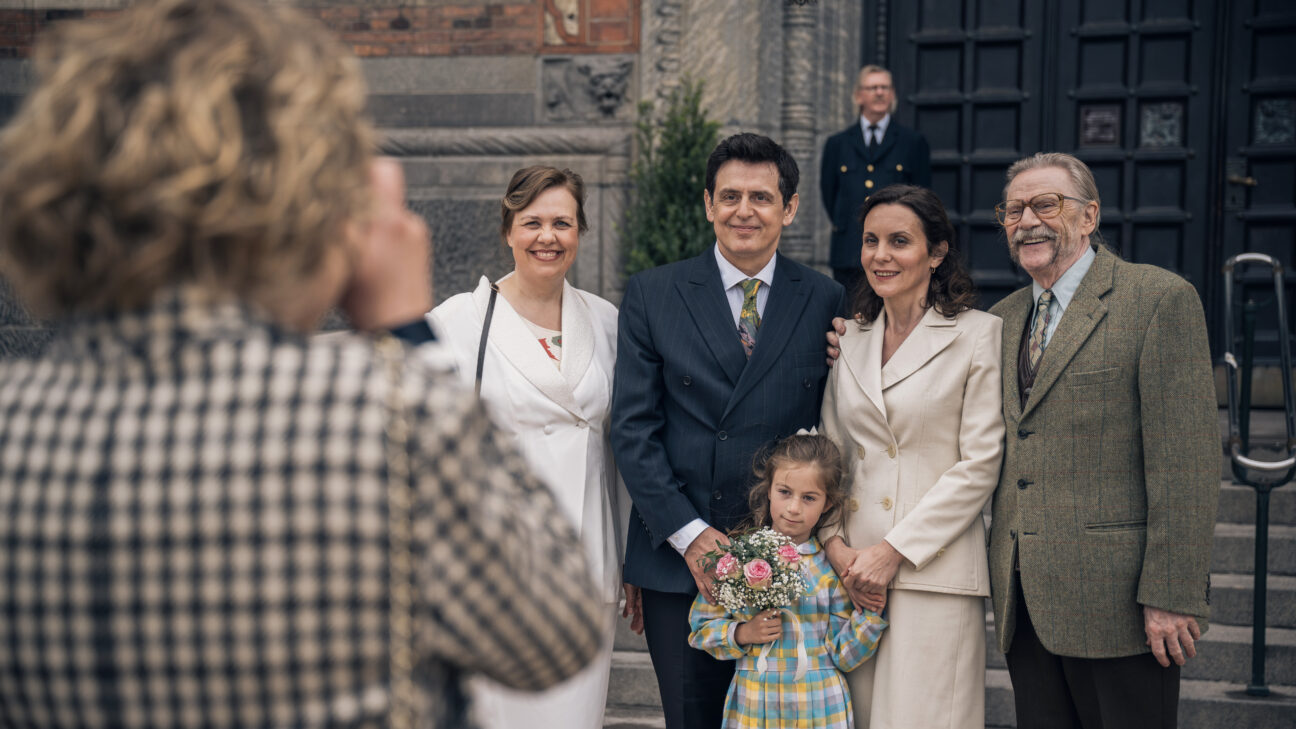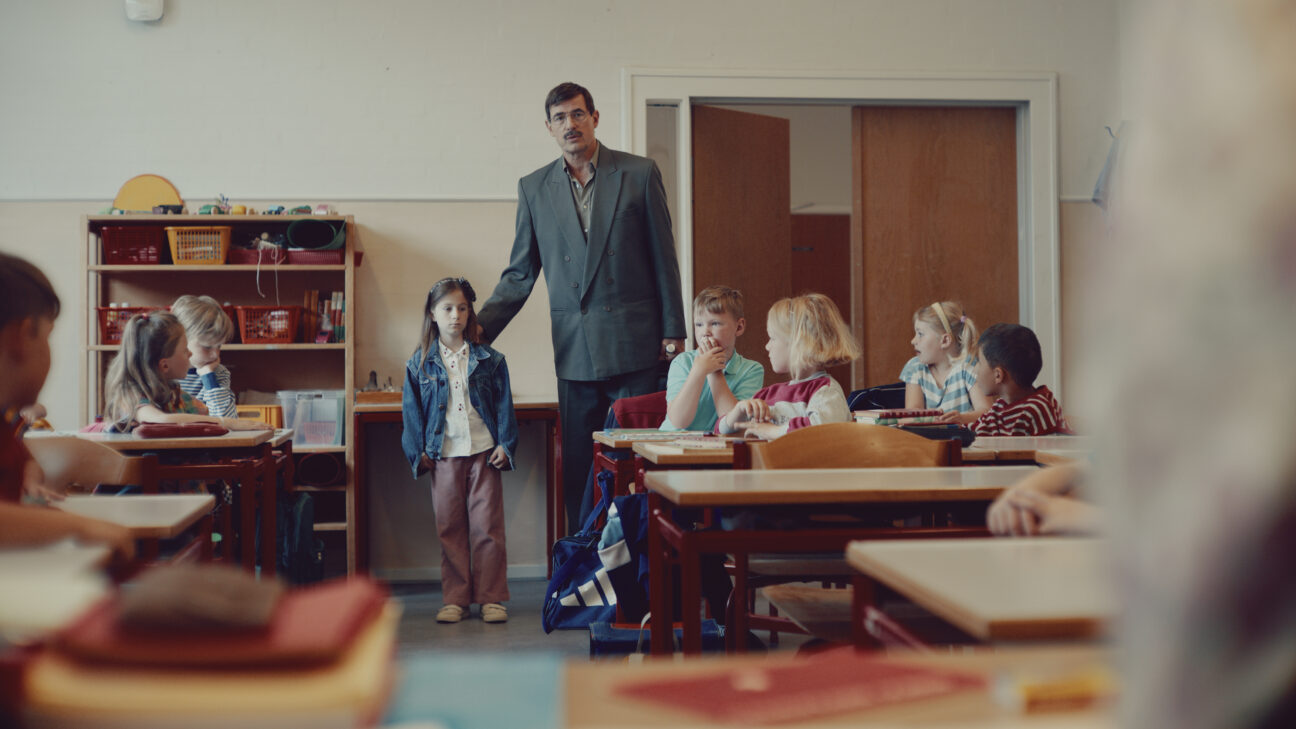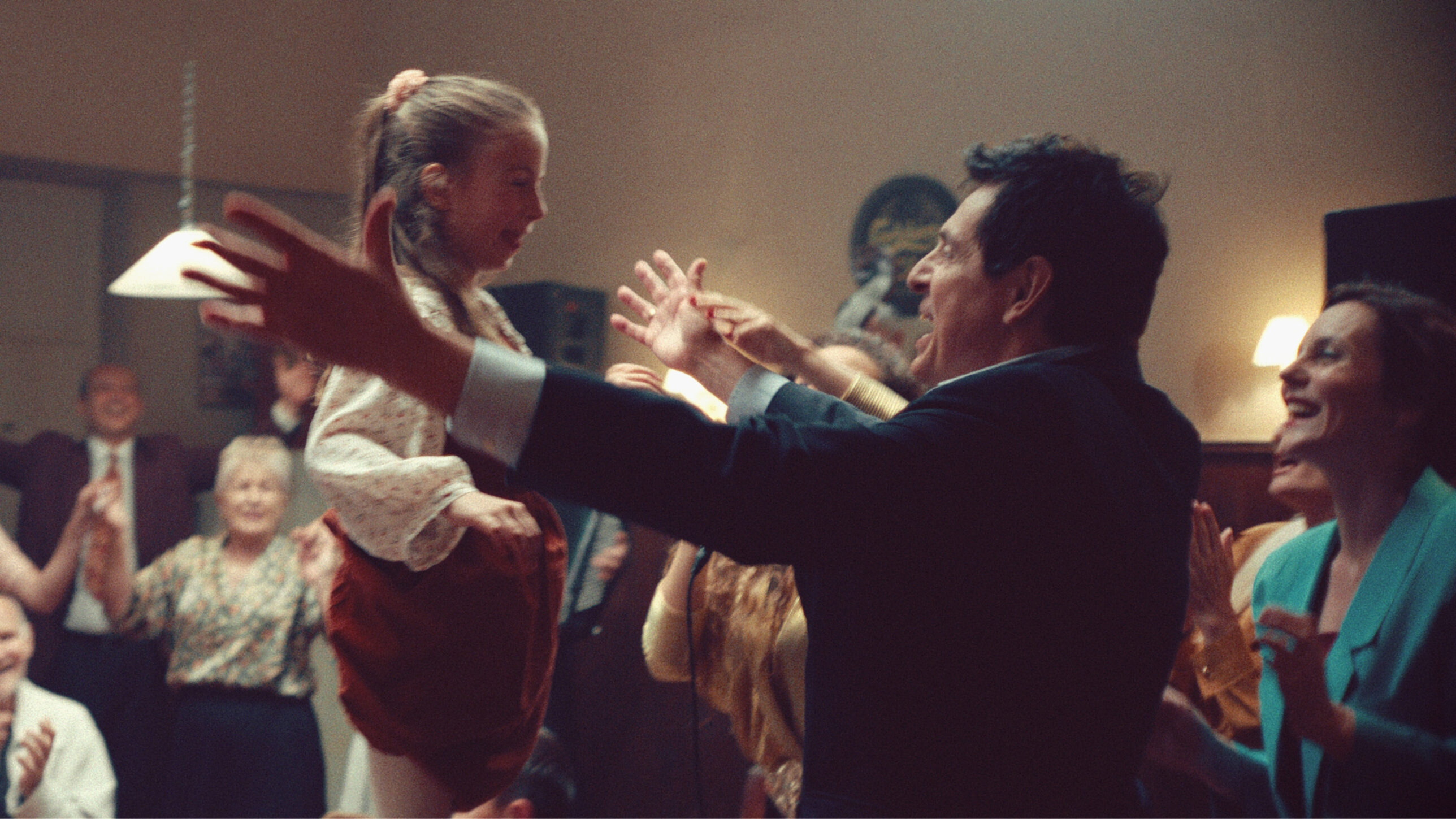
Through the eyes of a young girl uprooted from Yugoslavia to Denmark, we watch a family navigate a new world and rebuild their lives while holding on to what they left behind. Home speaks to belonging, sacrifice and the generations shaped by displacement.
Maja is six years old when most of her family moves from the Yugoslav SFR to Denmark, leaving her two brothers behind for the time being, waiting to follow the rest to the promised land. Denmark proves to be far from the welcoming haven they imagined. There is a new language to learn, new customs to navigate, new skies to understand. Did they really want to stay? Maja grows up in Denmark, builds a life and a career there as an artist, yet she cannot forget all that her parents left behind.
Actress-turned-director Marijana Janković was the same age as Maja when her own family left Ivangrad (today Berane) for the European north, and that is only the most superficial similarity between the two. As two of her leading men, fellow Ivangradian Dejan Čukić and Osijek’s one and only Zlatko Burić, will surely know, the details of Maja’s or Marijana’s story may be specific, but the larger flow of things has remained the same across generations and countries of origin.
Home becomes more than an autobiographical exercise à clef; it stands as a master narrative of emigration.
– Vanja Kaludjercic
Film details
- Countries of production
- Denmark, Serbia
- Year
- 2026
- Festival edition
- IFFR 2026
- Length
- 105'
- Medium/Format
- DCP