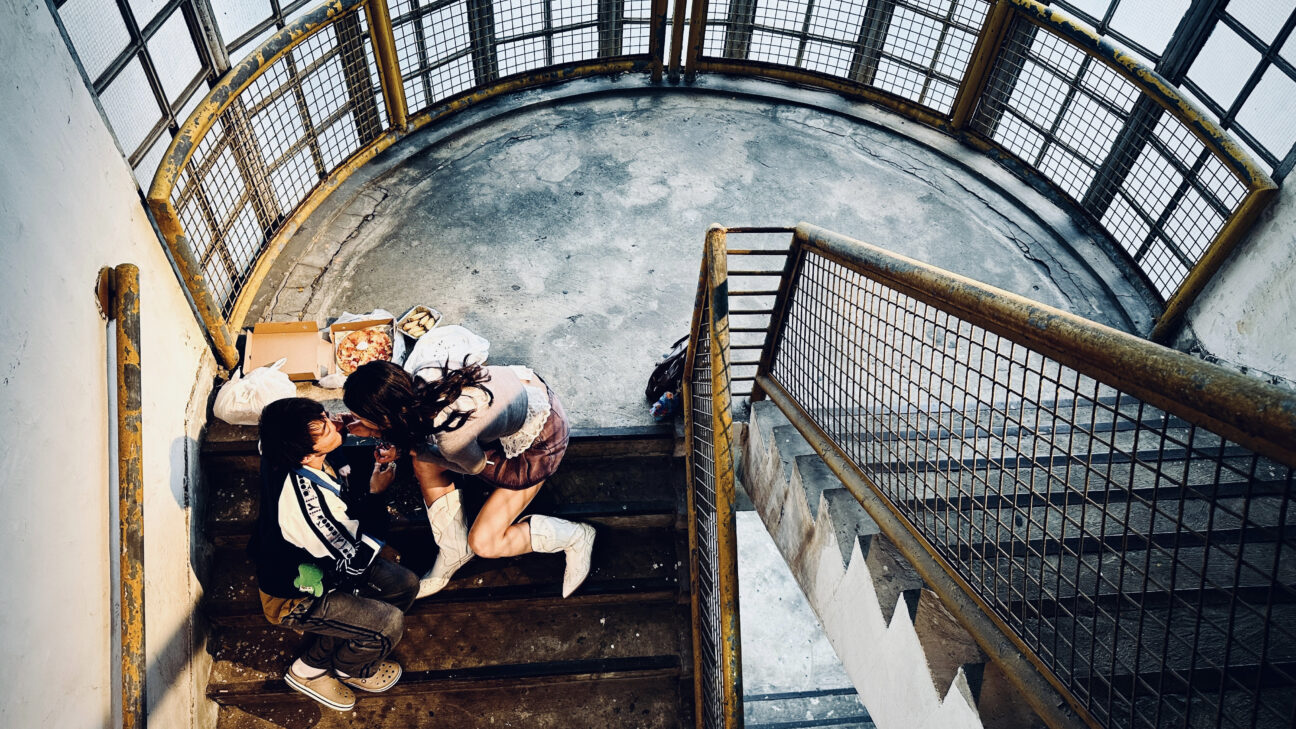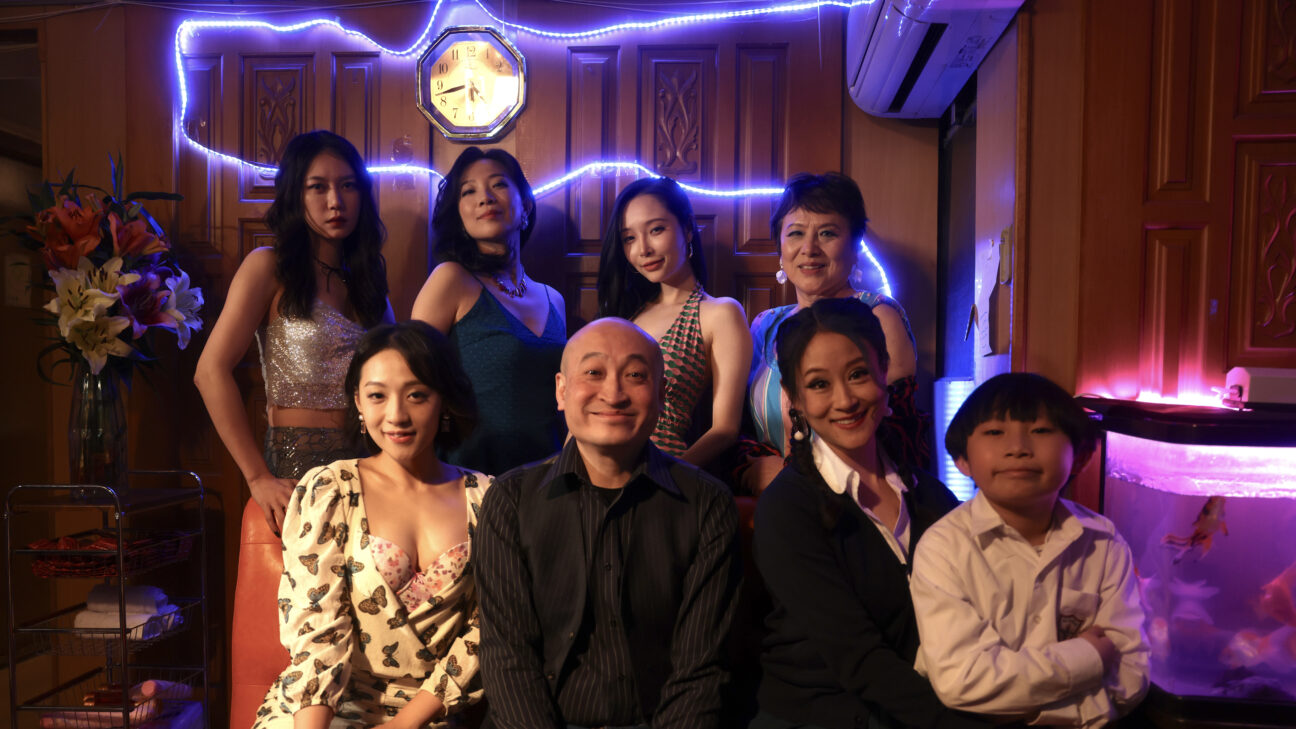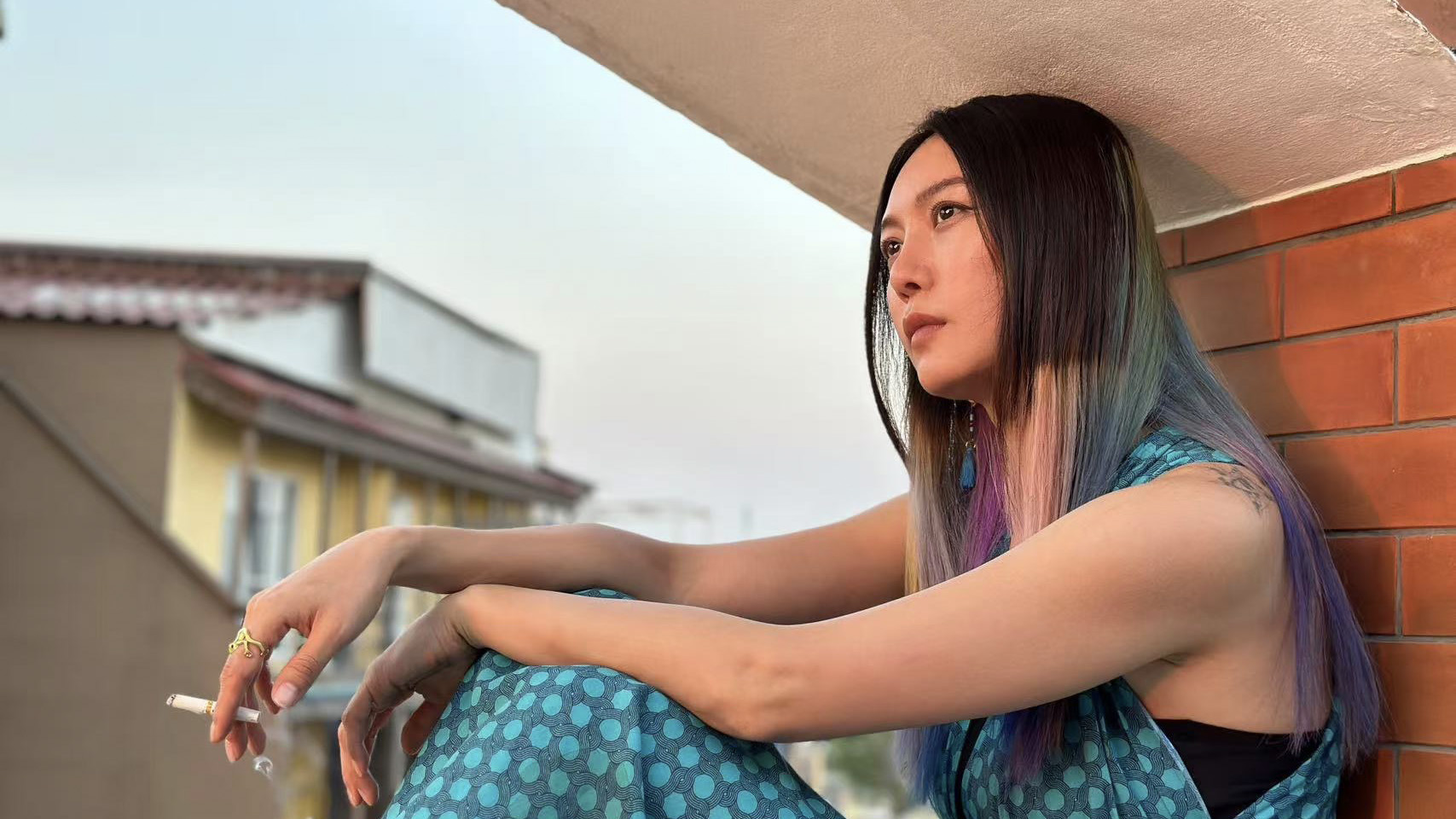
Named after a figure from martial-arts literature, Cyclone follows a wanderer travelling from mainland China to Hong Kong in search of gender-affirming surgery. As the journey unfolds, desire and identity blur, echoing Philip Yung’s portrait of a city continually redefining its sense of belonging.
Cyclone is a curious title, alluding to one of modern martial-arts literature and cinema’s most tragic heroines: Mei Chaofeng, often translated as Cyclone Mei. Like her literary counterpart, Cyclone is a wanderer, travelling from the People’s Republic of China to Hong Kong in search of gender-affirming surgery. Yet the longer the journey takes, the less certain she becomes of her desire. The identity in question and the passage undertaken reach beyond the individual. Yung is also thinking of Hong Kong, a place whose identity is constantly questioned and that keeps searching for a sense of its own belonging.
Although internationally known for multilayered crime films such as Where the Wind Blows (2022), Philip Yung has long been drawn to more intimate stories. Cyclone feels like a place where everything he cares about has found a home. The narrative is both sprawling and concentrated, profoundly personal yet resonant with the experience of a people. It moves across temporal, regional and cultural barriers with clarity and grace, all the while maintaining an effortless visual beauty.
– Vanja Kaludjercic
Film details
- Country of production
- Hong Kong
- Year
- 2026
- Festival edition
- IFFR 2026
- Length
- 116'
- Medium/Format
- DCP