William Eggleston’s Stranded in Canton
William Eggleston's Stranded in Canton
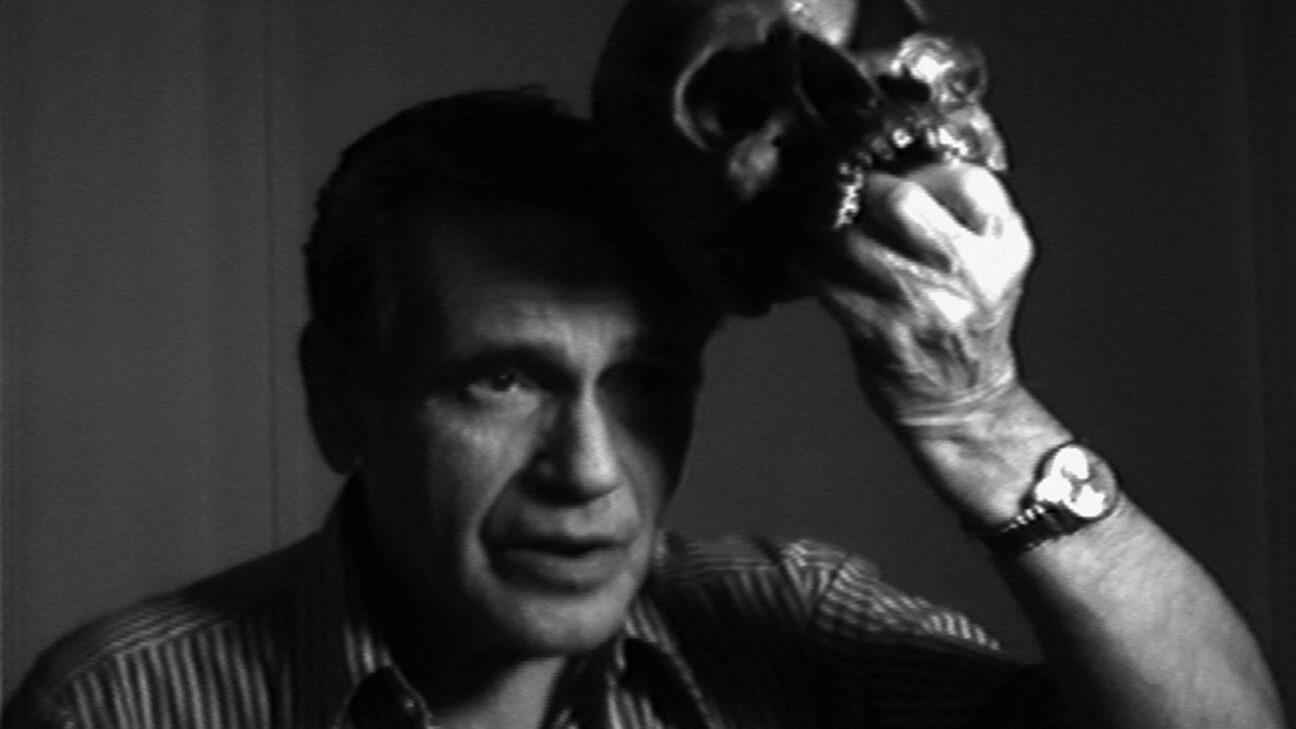
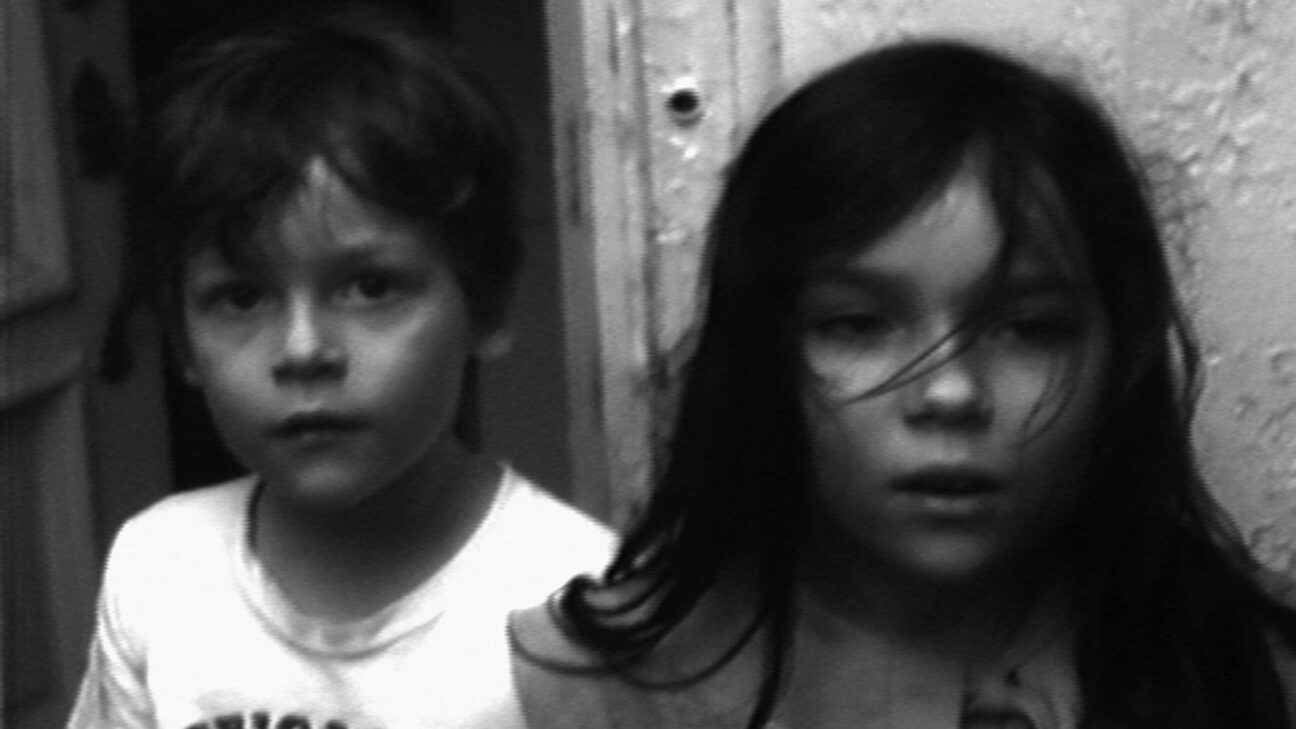
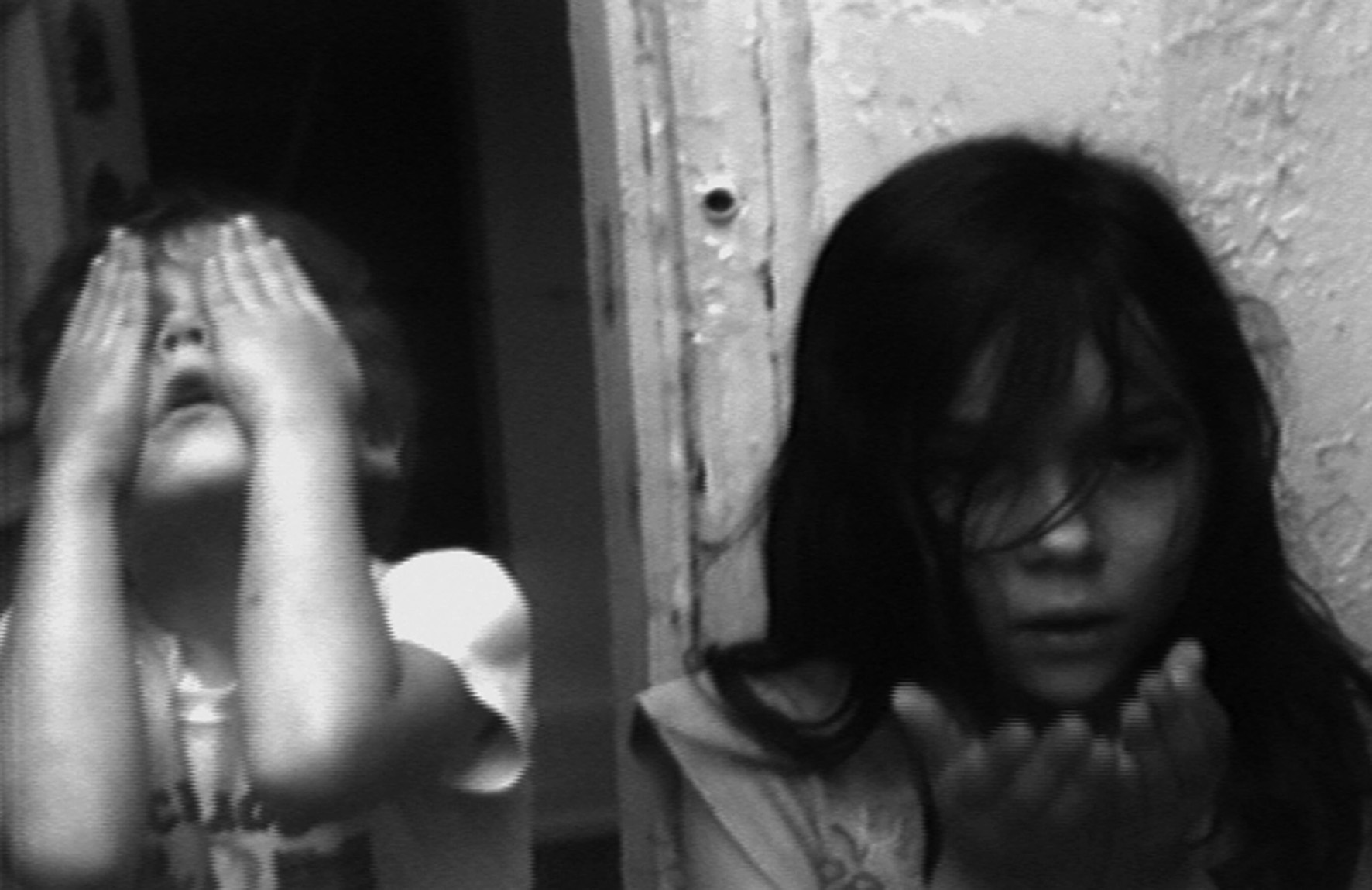
In 1973, the famous photographer William Eggleston bought two Sony Porta-paks. This camera, that came on the market in 1966, was the first black & white video camera intended for the everyday consumer. Eggleston tinkered with his camera here and there (for instance using different lenses) and, over a period of two years, shot about thirty hours of material. This material has only now been edited, in close cooperation with Robert Gordon. William Eggleston’s Stranded in Canton shows us a range of family and friends: outcasts, drunkards, artists and nighthawks, stoned or sober (Quaaludes were very hip at the time). It is an environment Eggleston frequented himself, and as a result the camera is hardly regarded as an intruder and the mood is informal. In this way, the film is a relaxed document of the era, in which Eggleston walks round, observes, shows, contemplates. Michael Almereyda (represented elsewhere in the programme with his portrait William Eggleston in the Real World) said of William Eggleston’s Stranded in Canton: ‘While watching successive cuts of this distilled version of Eggleston’s long-lost film, it occurred to me that I was experiencing something of an aesthetic equivalent of Jurassic Park. Images presumed to be mythological or dead have been rescued from cold storage and are now suddenly, vividly alive, revealing creatures of a lost world swaggering around with ferocious intensity.’ (EH)
Film details
- Country of production
- USA
- Year
- 2005
- Festival edition
- IFFR 2006
- Length
- 77'
- Medium/Format
- DV cam NTSC