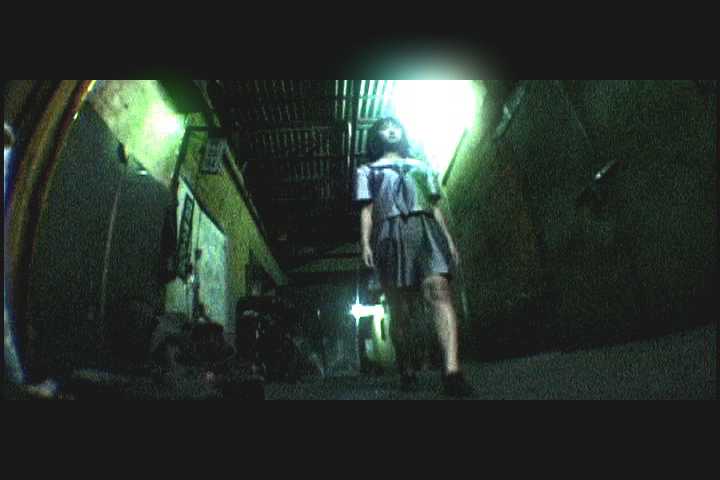
The merger of avant garde and trash impulses constitutes a subterranean cinema history. This lively, ultra lowbudget film from Korea is closer to the ’60s funkart of Red Grooms or the manic pastiches by George Kuchar than contemporary campschlock by John Waters. Its basic gambit is brutal but brilliant: to cross the rape revenge film (à la Ferrara’s Ms 45) with Robocop, thus delivering a grungy, histrionic version of postfeminist justice. Teenage Hooker is not a tidy movie. A musical collage (everything from Gypsy Kings to Massive Attack) is always at war with the images. The credits appear twice. There are strange longueurs between the manically zippy bits, as if Michael Snow had collaborated with Sam Raimi. Its revengepolitics run on excess and intensity rather than lucidity. In the middle of all the cartoonish exaggeration, there are islands of pathos. But this wayward inconsistency of tone and meaning is part and parcel of the trash sensibility.Teenage Hooker is notable, too, for its redemption of digital video. In the era of so much meandering, actorcentred comedydrama in this realm, Nam’s stylisation is brutal, expedient but inspired. By connecting to a lost tradition of trash experimentation, Nam opens a road to the future. (Adrian Martin writes for e.g. sensesofcinema.com, The Age Newspaper and The Village Voice.)