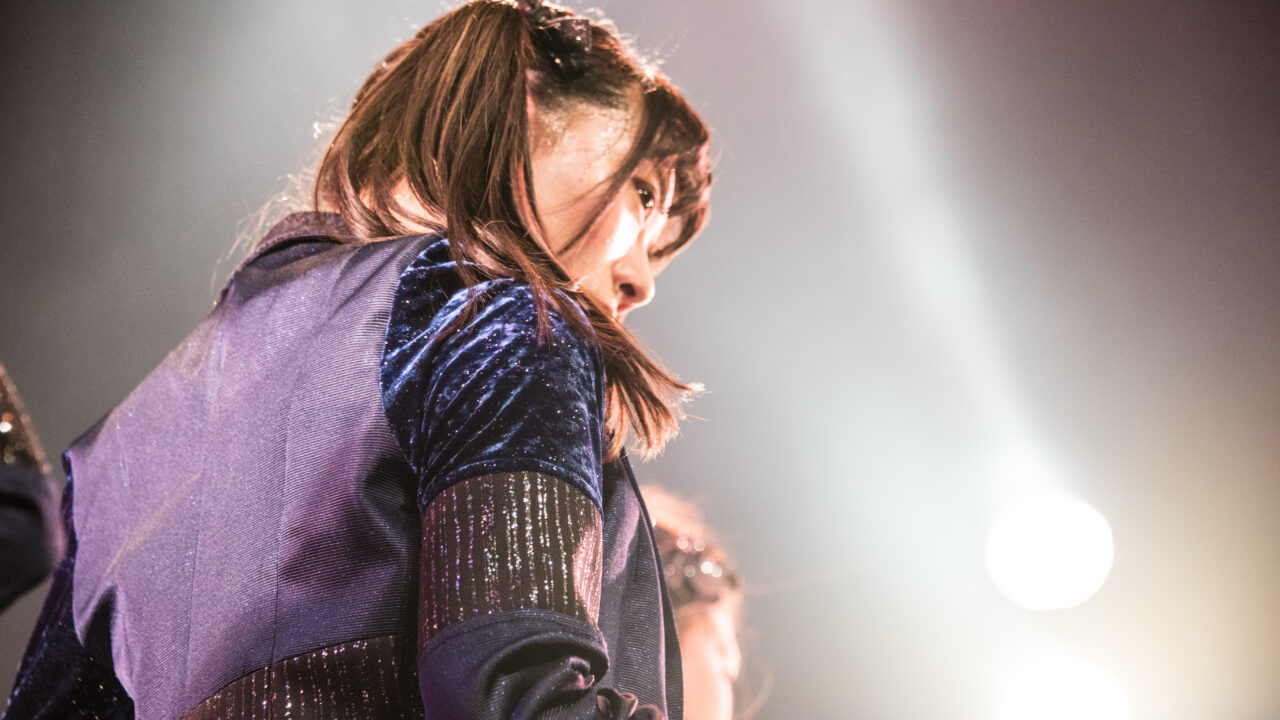
An idol singer falls in love with a friend from secondary school. Despite her effort to keep their relationship secret, it gets exposed and her management sues them both for the breach of "no boys" contractual clause. Should she fight for her dignity or choose to settle for a peaceful life?
Film details
- Productie bedrijf
- knockonwood Inc., Survivance
- Producent
- Yoko Abe, Atsuko Ohno
- Productielanden
- Japan, Frankrijk
- Gebaseerd op
- Original Screenplay by Koji Fukada
- Lengte
- 120'
Pitch
Deze inhoud is beschikbaar na het accepteren van de marketingcookies.

Synopsis
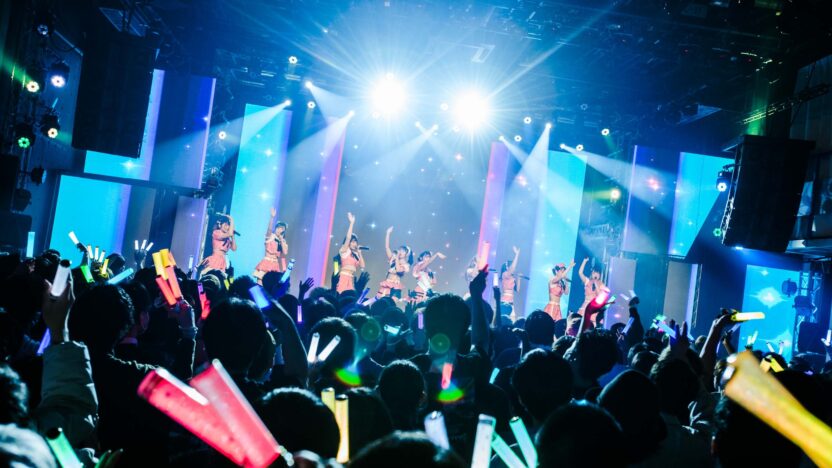
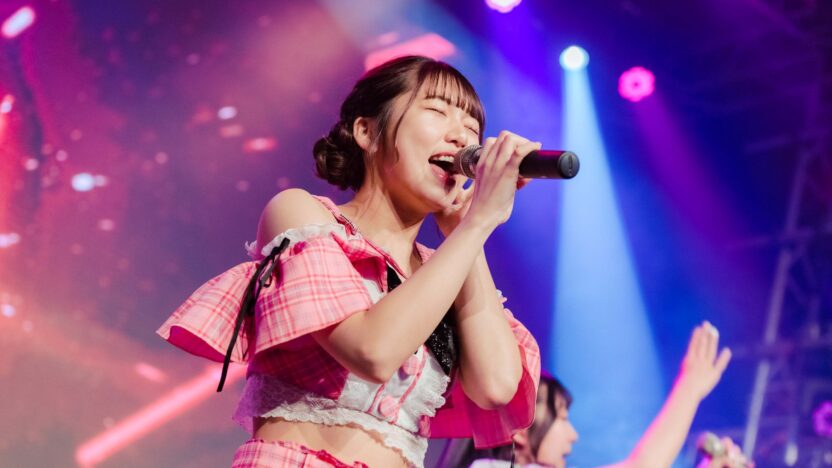
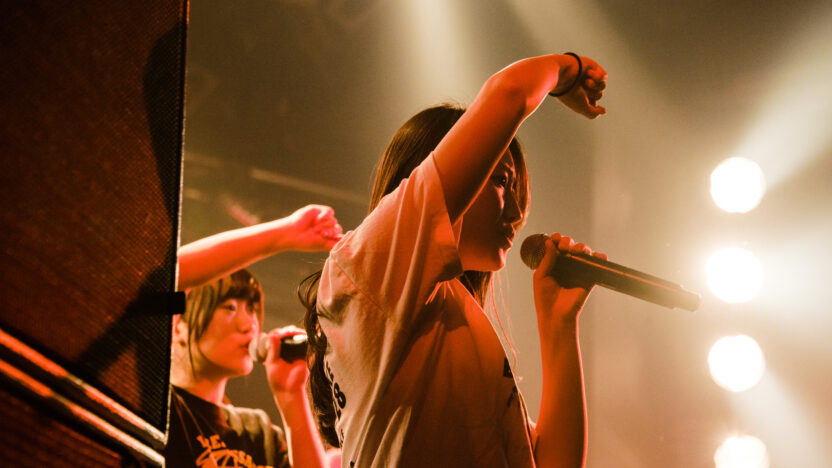
Japan, 2022. Mai, 22, belongs to a moderately successful idol girl group called Happy Fanfare, aka HappiFan. Kei, also 22, is a university student working as a part-time camera operator. On the night he is assigned to film a HappiFan show, Kei recognizes Mai from his junior high school. This coincidental meeting thrills them both. Although Kei has no interest in "idols", he finds himself drawn to Mai as he films the group on stage.
Soon the two fall in love. However, their romance has to be kept secret because Mai's contract stipulates a "No boys" clause. Still, Mai is happily in love and enjoys her profession. But that changes when a tabloid reports that a HappiFan member has a boyfriend. Nanaka, 19, has violated the "No boys" rule so she loses her regular role in the girl group. As she gives her fans a teary apology, Kei realises that his relationship with Mai could jeopardise her career, and so he retreats. Breaking up isn't easy for Mai but she tries to understand Kei's intention and to move on. Their love is rekindled when a fan goes berserk at a HappiFan event. Worried, Kei immediately drives to the venue when he hears the news. When Mai sees him, they take off in Kei's mini truck despite her manager's attempts to stop her.
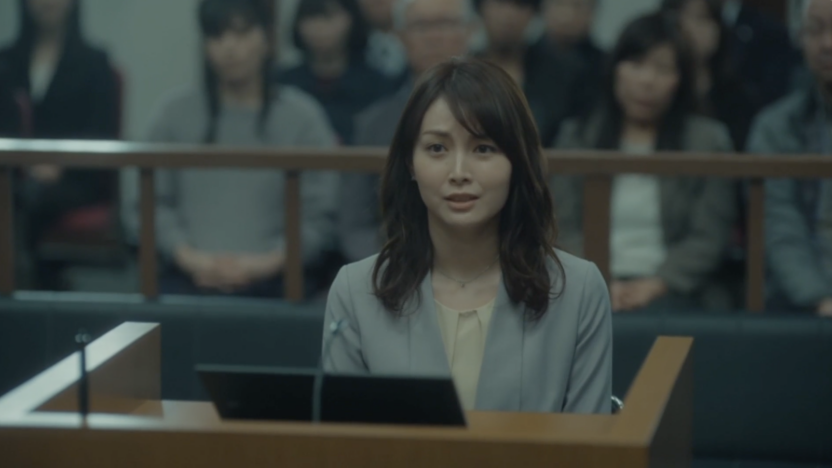
A few months later, Mai is no longer with HappiFan. Because of the "No boys" clause, the HappiFan management sues both her and Kei. Although both Mai and Kei engage lawyers, the court proceedings are overwhelming.
As Mai lives with Kei in his apartment and works part-time, she has less contact with the HappiFan members. Then the management proposes a settlement deal to end the trial. Kei wishes to put the lawsuit behind them and start over together. Despite being still bothered by the implications of the "No boys" rule, Mai considers accepting the deal.
Director statement
In 2015, a 15-year-old singer who belonged to an idol group was sued by her talent management company for violating a contractual clause that banned romantic relationships. The Tokyo District Court reached a verdict that demanded the girl to pay the plaintiff of approximately 650,000 yen (€5,000) for damages incurred. The judge reasoned: "An idol singer is obliged to follow regulations banning romantic relationships because the role of idol singers is to build up their fanbase and any relationship that's discovered would damage their public image."
When I heard this news, I was fascinated by how the values of the fantastic world of idol groups and the pretty girl singers were suddenly being assessed by the heartless judicial system. I had shivers running up my spine as I realised the grotesque implications of the verdict; romance was banned for the convenience of business practice and the judicial system approved. I felt fearful about the incident's violent undertones. A girl was found guilty of being in a romantic relationship, with no consideration of the unequal power balance in show business and the legal system, which are predominantly men's worlds.
Once I was aware of the implications, I noticed that violence from power imbalance is not only found in the world of pop singers. It's found in all walks of life in Japan and beyond. It's a familiar violence all over the world. The lawsuit was discreetly publicised as showbiz gossip in Japan. I began to think if I observed this neglected case closely with a focus on its violent undertone, it would be a passageway to explore issues of gender discrimination in the modern world.
As I started to explore, I began thinking beyond the social issue. I thought of the pop singer and her love interest. A girl, who became the idol singer she had dreamed of being, was found guilty by the very society that created the idol singer culture. And so a man who was implicated with her, just for loving her. I was intrigued. What went through their minds as they fought for justice in the court? On one hand the court case was a fight against their own world, but would they also find themselves exploring their own identities through the process?
The film depicts two people struggling to remain true to themselves in the face of exploitation and social injustice. They experience loneliness but they also make connections along the way. I want to see where their relationship takes them.
This is a story about a woman and a man who only have eyes for each other in the whirlwind created by Japan's peculiar idol culture. I'm convinced that this story will be received well out of Japan and reach the hearts of people everywhere.
Director biography
Fukada Koji (1980, Japan) began making independent films as a student. His first work to achieve international recognition was Hospitalité in 2010. In 2016, he won the Jury Prize in Un Certain Regard Cannes International Film Festival for Harmonium. He has made films constantly since then, and was awarded the Order of the Chevalier in France in 2018 for his work. His film version of his original TV series The Real Thing was officially selected at Cannes in 2020. Apart from working as a director, he is active as an activist and advocate for Japanese Independent Cinema. He was one of the founders of the Japanese Independent Film Guild (Eiga Nabe). With director Hamaguchi Ryusuke, he ran a crowdfunding campaign to help independent film theatres survive the Covid pandemic.
Financiering en contact gegevens
- Budget
- € 1.300.000
- Financiering rond
- € 330.000
- atsuko@survivance.net
Huidige status
We are currently in the development stage.
Goals
We are looking for co-production partners in Europe and worldwide to strengthen the story.
The film deals with Japan's contemporary issues: women's status in the society, the exploitation of young women and the oppressive nature of corporations which put profits before individual rights. The film also portrays Japanese vivid pop culture. As it is a universal issue, we are looking for co-production partners for the creative input, and financial support to do mainly post-production. We also would like to meet with possible sales agents and distributors.